
LA/Long Beach Terminals Secure Deal, Averting Security Guard Strike
Terminal employers at the Ports of Los Angeles and Long Beach reached an agreement with union watchmen, preventing a security guard strike that threatened to idle the largest U.S. port complex.
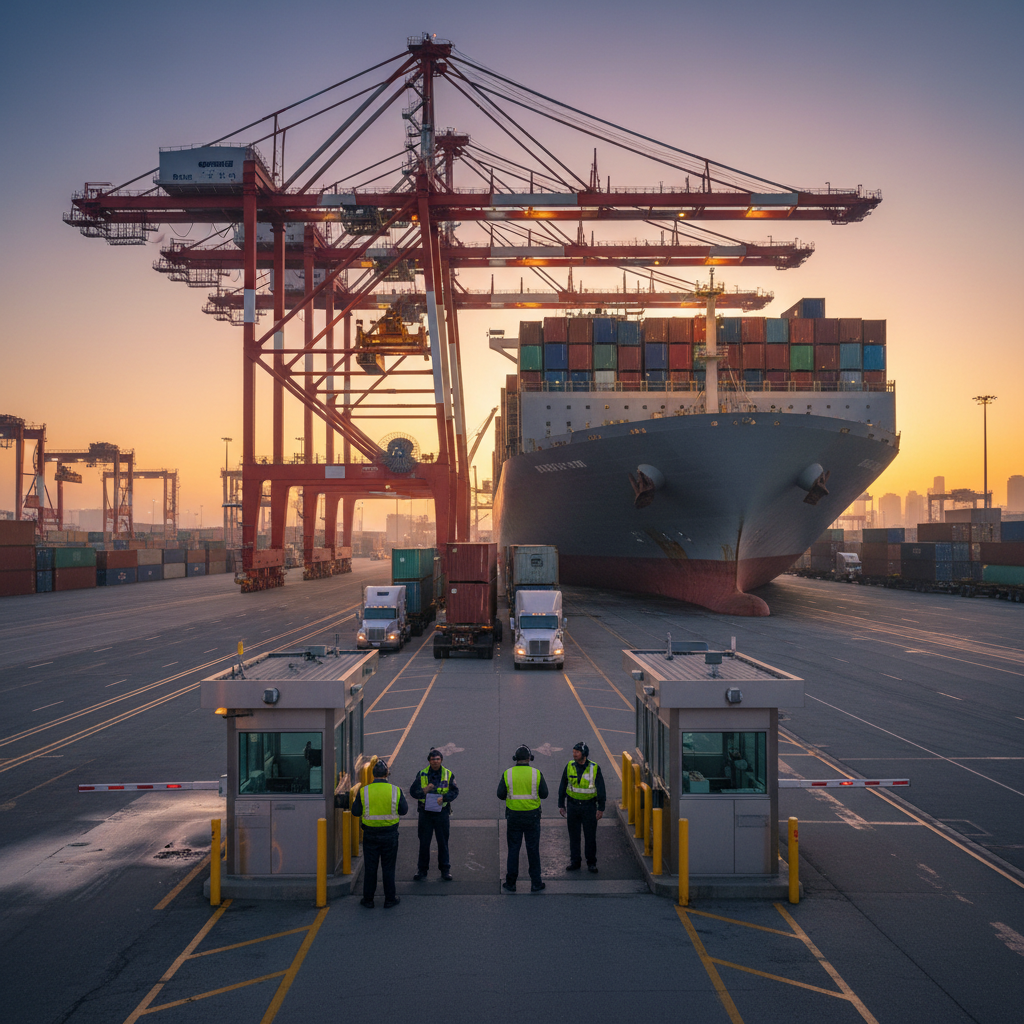
LA/Long Beach Averts Security Guard Strike at Largest US Port Complex
Terminal operators at the Ports of Los Angeles and Long Beach have successfully negotiated a deal with union watchmen, thereby preventing a security guard strike that had loomed over the nation's busiest port complex. This agreement averts what could have been a significant disruption to cargo movement through the largest U.S. gateway for international trade. The potential strike threatened to idle a substantial portion of the port's operations, impacting the flow of goods across the country. For shippers, forwarders, and supply-chain managers, this outcome provides immediate relief, ensuring continued operations at a critical juncture for global commerce. The ports, which handle a vast volume of container traffic, are central to many supply chains, and any stoppage would have quickly created backlogs and delays with far-reaching economic consequences. The resolution underscores the delicate balance in labor negotiations and their direct impact on the stability of global trade routes.
Watchmen's Role in Maintaining Terminal Operations and Security
The averted strike highlights the essential, though often overlooked, role of security guards, or watchmen, in the functioning of major port terminals. These personnel are responsible for maintaining security protocols, controlling access to facilities, and ensuring the safety of cargo, equipment, and staff. Without their presence, port terminals cannot operate effectively or securely. Their duties include monitoring gates, patrolling perimeters, inspecting vehicles, and responding to security incidents. A withdrawal of these services would render terminals unable to meet regulatory requirements for security, leading to immediate operational shutdowns. This would not only halt the movement of cargo but also create vulnerabilities that could compromise the integrity of the entire port ecosystem. The agreement thus ensures that these fundamental security functions remain uninterrupted, allowing the continuous flow of goods and maintaining the operational integrity of the terminals.
West Coast Labor Relations Remain a Persistent Supply Chain Risk
While the immediate threat of a security guard strike at Los Angeles and Long Beach has been neutralized, this event serves as a reminder of the ongoing complexities in West Coast port labor relations. The region has a history of labor disputes, including negotiations with longshoremen and other port workers, which have periodically led to slowdowns or disruptions. Each labor contract negotiation, regardless of the specific union involved, introduces a period of uncertainty for supply chain stakeholders. The interconnected nature of port operations means that an issue with one group of workers can quickly cascade, affecting the entire complex. Shippers and logistics providers must recognize that this averted strike is a single instance within a broader, dynamic labor environment. The underlying potential for future labor-related challenges persists, necessitating continuous vigilance and proactive planning to mitigate risks associated with these crucial gateways.
Shippers Must Diversify and Monitor for Future Labor Disruptions
For shippers and supply chain managers, the recent resolution at LA/Long Beach offers a valuable lesson in risk management. Relying heavily on a single port or region, particularly one with a history of labor volatility, exposes supply chains to significant vulnerabilities. To build more resilient operations, companies should consider diversifying their port usage, exploring alternative gateways on the East Coast, Gulf Coast, or even through Canadian or Mexican ports where feasible. Maintaining flexible inventory strategies, such as safety stock or strategically located distribution centers, can also cushion the impact of unexpected delays. Furthermore, proactive monitoring of labor news and contract negotiation timelines for all major port unions is essential. Engaging with freight forwarders and logistics partners who have established contingency plans and diversified carrier relationships can provide an additional layer of protection against future disruptions, whether they stem from labor disputes or other unforeseen events. This strategic approach helps ensure continuity of cargo movement even when specific nodes face challenges.
Source: The Maritime Executive — https://maritime-executive.com/article/ports-of-la-and-long-beach-avert-strike-as-watchmen-reach-deal