
Iran's Hormuz Actions Escalate as 10 Vessels Struck, Tugboats Targeted
Recent attacks in the Strait of Hormuz have seen 10 commercial vessels targeted, including tugboats, signaling a broadening threat to global shipping in this vital chokepoint. Supply chain managers must reassess risks and plan for potential disruptions.
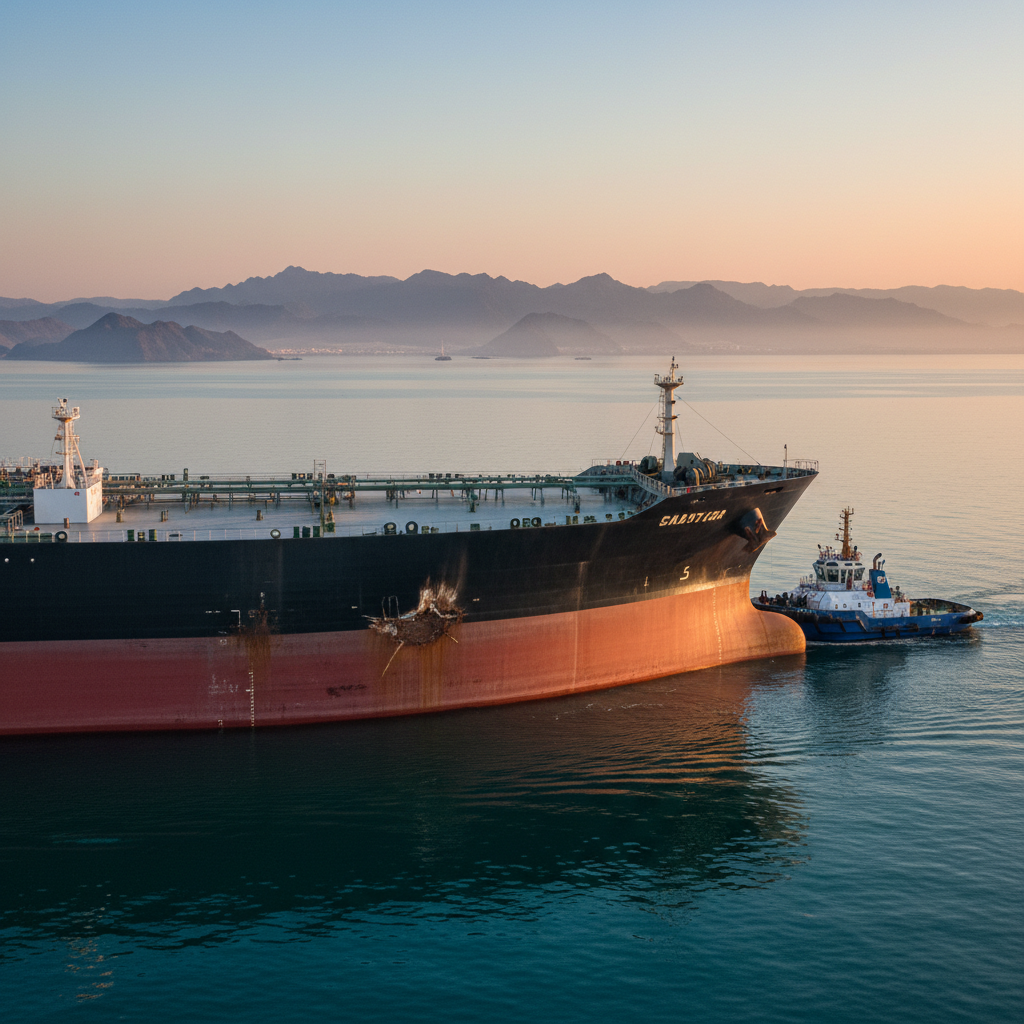
Strait of Hormuz Attacks Reach 10, Widening Scope
The Strait of Hormuz, a narrow and essential waterway for global trade, has witnessed a significant escalation in maritime incidents. Four additional commercial vessels have been attacked in and around this strategic chokepoint, bringing the total number of reported tanker strikes to 10. This recent surge in incidents, attributed to Iran's actions, marks a concerning development for international shipping and global supply chains. The targeting of tugboats, alongside traditional tankers, indicates a broadening scope of vessels considered vulnerable, extending the risk profile beyond specific cargo types to general maritime operations within the region.
This waterway connects the Persian Gulf to the open ocean, serving as the primary transit route for a substantial portion of the world's crude oil, liquefied natural gas (LNG), and other critical commodities. Any disruption here has immediate and far-reaching consequences for energy markets and manufacturing supply chains worldwide. The increased frequency of attacks, reaching double digits in a short period, suggests a deliberate and sustained campaign, creating an environment of heightened uncertainty for all maritime traffic traversing the area. Shippers and carriers must now contend with a more complex risk matrix, factoring in not just the possibility of attack, but also the expanding range of targets.
Global Trade Lanes Face Increased Risk and Costs
The escalating tensions in the Strait of Hormuz directly impact global trade lanes, particularly those serving the Middle East and Asia. The immediate consequence for shipping operations is a heightened perception of risk, which can translate into tangible costs. Vessel operators may face increased insurance premiums for transiting the region, directly affecting freight rates for shippers. Furthermore, the threat of attack can lead to slower transit speeds as vessels adopt more cautious navigation, or even rerouting decisions to avoid the Strait entirely. Such rerouting, while enhancing safety, inevitably adds significant transit time and fuel costs, disrupting delivery schedules and increasing overall supply chain expenses.
While crude oil and LNG shipments are the most obvious commodities affected, the Strait's importance extends to general cargo vessels carrying a diverse array of manufactured goods, components, and raw materials. Supply chains for industries ranging from automotive to electronics, which rely on components or finished products transiting this region, will experience indirect impacts. Delays and increased costs for energy shipments can ripple through the global economy, affecting production costs and consumer prices. The cumulative effect of these disruptions can strain inventory levels, particularly for businesses operating with lean supply chain models, demanding a re-evaluation of buffer stocks and lead times.
Shippers Must Reassess Supply Chain Vulnerabilities
In light of the escalating situation, shippers and supply chain managers must undertake a thorough reassessment of their exposure to the Strait of Hormuz. The first step involves a detailed risk assessment to identify all cargo, suppliers, and customers whose operations depend on this waterway. This includes understanding the origin and destination of goods, as well as the specific carriers and routes utilized. For goods originating from or destined for Persian Gulf ports, the risk is direct and immediate. For others, the indirect impact of higher energy costs or broader market instability still warrants attention.
Proactive measures include exploring alternative sourcing strategies or considering diversification of shipping routes where feasible. While rerouting around the Arabian Peninsula is a costly and time-consuming option, its viability for certain high-value or time-critical cargo may need to be evaluated. Maintaining open and frequent communication with freight forwarders, carriers, and logistics partners is crucial for obtaining real-time intelligence and adapting to rapidly changing conditions. Developing robust contingency plans for potential delays, rerouting, or even cargo loss is no longer a theoretical exercise but a practical necessity. This includes reviewing inventory management strategies to ensure adequate safety stocks for critical goods, mitigating the impact of extended transit times or unexpected disruptions.
Persian Gulf Facilities and Tanker Operations Under Pressure
The direct impact of these attacks extends to the operational integrity of facilities within the Persian Gulf and the specific modes of transport operating there. Ports in countries bordering the Gulf, such as the United Arab Emirates, Qatar, Saudi Arabia, Kuwait, and Iran, face increased scrutiny and potential operational challenges. While the attacks occur at sea, the heightened security environment can lead to slower vessel turnaround times, increased inspections, and potential congestion as carriers adjust their schedules or adopt more cautious approaches to port calls. This can affect the efficiency of cargo handling and onward distribution from these regional hubs.
Tanker operations, already accustomed to security protocols in the region, now face an elevated threat level. The inclusion of tugboats in the list of targeted vessels suggests that even support vessels, essential for port operations and safe navigation, are not immune. This broadens the risk to the entire maritime ecosystem in the Strait. Vessel owners and operators must implement enhanced security measures, potentially including increased onboard security personnel or advanced surveillance technologies. These measures add to operational costs and complexity. The cumulative effect of these pressures could lead to a reduction in available vessel capacity willing to serve the region, further exacerbating potential delays and increasing freight costs for shippers reliant on these specific vessel types and facilities.
Hormuz Instability Demands Immediate Supply Chain Reassessment
The escalating attacks in the Strait of Hormuz create a volatile environment for global supply chains, requiring immediate and thorough reassessment of risk exposure and operational strategies. The broadening of targets and the increasing frequency of incidents highlight the need for shippers to prioritize resilience and adaptability in their logistics planning.
A rapid de-escalation of regional tensions, perhaps through diplomatic intervention, could alleviate immediate shipping pressures and reduce the perceived risk. However, the underlying geopolitical dynamics suggest that the threat of disruption in this critical waterway will persist, making long-term strategic adjustments necessary regardless of short-term calm. Relying solely on a return to stability without proactive planning would leave supply chains vulnerable to future, inevitable shocks.
Source: gCaptain — https://gcaptain.com/four-more-ships-attacked-as-iran-widens-hormuz-crackdown-to-tugboats/