
Korean Air Merger Boosts Belly Cargo Capacity by 20%
Korean Air's integration of Asiana Airlines is set to increase its available belly cargo capacity by 20% from December 17, enhancing Incheon's role as a key air freight hub and reshaping global supply chain dynamics from Asia.
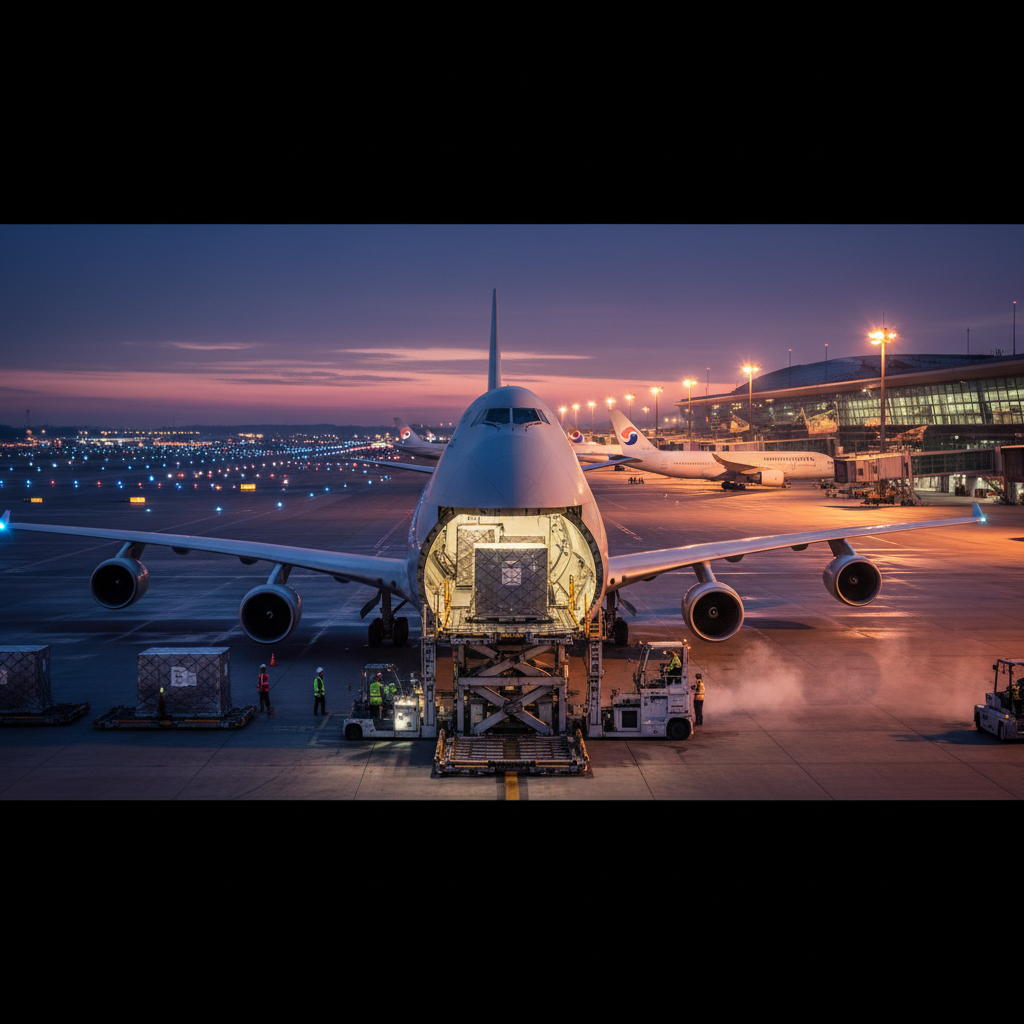
The upcoming integration of Asiana Airlines into Korean Air, effective December 17, marks a substantial shift in the global air cargo landscape, particularly for freight originating in Asia. Korean Air anticipates a 20% increase in its available belly cargo capacity as a direct result of this merger. This expansion is not merely an incremental adjustment; it represents a material injection of air freight space into a market that constantly seeks efficiency and reliability.
This additional capacity is specifically belly cargo, meaning it leverages the unused space in passenger aircraft holds. For shippers, this often translates to more consistent scheduling and potentially more competitive rates compared to dedicated freighter services, which can be subject to greater volatility. The move comes after a period of strong performance for Korean Air's cargo division, which saw its standalone cargo revenue rise by 34.3% year-on-year in the third quarter, reaching ₩1.43 trillion ($1.05 billion). Cargo traffic, measured in cargo tonne-kilometers, also increased by 5.3% during the same period. These figures underscore the airline's existing strength in the cargo sector and provide a financial foundation for absorbing and optimizing the newly acquired capacity.
Incheon's Enhanced Role as a Regional Air Cargo Gateway
The primary beneficiary of this capacity expansion, beyond Korean Air itself, is Incheon International Airport (ICN). Korean Air's stated intention is to utilize this additional space to bring freight from across Asia into Incheon, where it can then connect with long-haul services. This strategy solidifies Incheon's position as a central air cargo hub for Northeast Asia and beyond. For global supply chains, this means improved connectivity and potentially faster transit times for goods moving from various Asian origins to destinations worldwide.
Shippers in countries across Asia will likely find more frequent and diverse options for routing their cargo through Incheon. This enhanced network density can reduce lead times and offer greater flexibility in managing inventory and meeting delivery schedules. The increased capacity also provides a buffer against potential disruptions, offering more alternatives when specific routes or carriers face operational challenges. The ability to consolidate freight from a wider regional catchment area into a single, well-connected hub streamlines logistics operations for many businesses, from high-tech manufacturers to e-commerce retailers.
Financial Implications for Shippers and Market Dynamics
The 20% increase in belly cargo capacity will inevitably influence the financial dynamics of air freight from Asia. For shippers, the immediate impact could be a stabilization or even a slight reduction in air freight rates on certain lanes, particularly those connecting through Incheon. Increased supply generally leads to more competitive pricing, offering cost-saving opportunities for businesses reliant on air transport. This is especially relevant for high-value, time-sensitive goods where air freight costs significantly impact overall product profitability.
From Korean Air's perspective, integrating Asiana's cargo operations and capacity allows for greater economies of scale and network optimization. The airline can leverage its expanded fleet and route network to maximize cargo load factors, further boosting its already strong cargo revenue performance. The 34.3% year-on-year revenue growth in Q3, alongside a 5.3% increase in traffic, demonstrates a robust demand environment that this additional capacity can now help to meet. This move positions Korean Air to capture a larger share of the lucrative Asian air freight market, potentially increasing its overall profitability and market influence.
For the broader air cargo market, this capacity injection introduces a new competitive element. Other carriers operating in and out of Asia may need to adjust their pricing strategies or service offerings to remain competitive. The increased availability of belly cargo space could also shift some demand away from dedicated freighter services, particularly for cargo that does not require specialized handling or oversized dimensions. This rebalancing of supply and demand offers shippers more choices and potentially better service levels, ultimately benefiting global trade by making air freight more accessible and efficient.
Operational Efficiencies and Supply Chain Resilience
Beyond direct financial impacts, the merger's capacity boost contributes to greater operational efficiency and supply chain resilience. By consolidating two major Korean carriers, Korean Air can rationalize routes, optimize flight schedules, and streamline ground handling operations at Incheon. This can lead to more reliable service, fewer delays, and improved cargo security, all of which are crucial for maintaining robust supply chains.
For businesses, having more consistent and ample air cargo options out of Asia means they can better manage their inventory levels, reducing the need for costly safety stock and enabling just-in-time delivery models. This enhanced flexibility is particularly valuable in an era where supply chain disruptions remain a persistent concern. The ability to quickly move goods by air, supported by a larger and more integrated network, provides a valuable tool for mitigating risks associated with production delays, port congestion, or other unforeseen events. The integration of Asiana's fleet and network into Korean Air's operations creates a more unified and powerful entity capable of serving a wider array of global logistics needs.
Korean Air's Capacity Play Strengthens Asian Air Freight
Korean Air's 20% increase in belly cargo capacity through the Asiana merger represents a significant development for global air freight. This expansion will enhance Incheon's standing as a premier air cargo hub, offering shippers improved connectivity and potentially more favorable rates from across Asia. The move builds on Korean Air's strong cargo performance and positions the airline for continued growth and market leadership, ultimately contributing to more efficient and adaptable global supply chains.
Source: The Loadstar — https://theloadstar.com/korean-air-eyes-20-more-belly-cargo-capacity-from-asiana-merger/