
Hormuz Under Fire: Navigating Escalating Geopolitical Risk in Critical Shipping Lanes
Attacks on tankers in the Strait of Hormuz have reached unprecedented levels, signaling a significant escalation of geopolitical risk. This brief analyzes the impact on global supply chains, identifies affected lanes and facilities, and outlines actionable strategies for shippers, emphasizing the critical role of real-time visibility platforms.
Current Disruption Overview
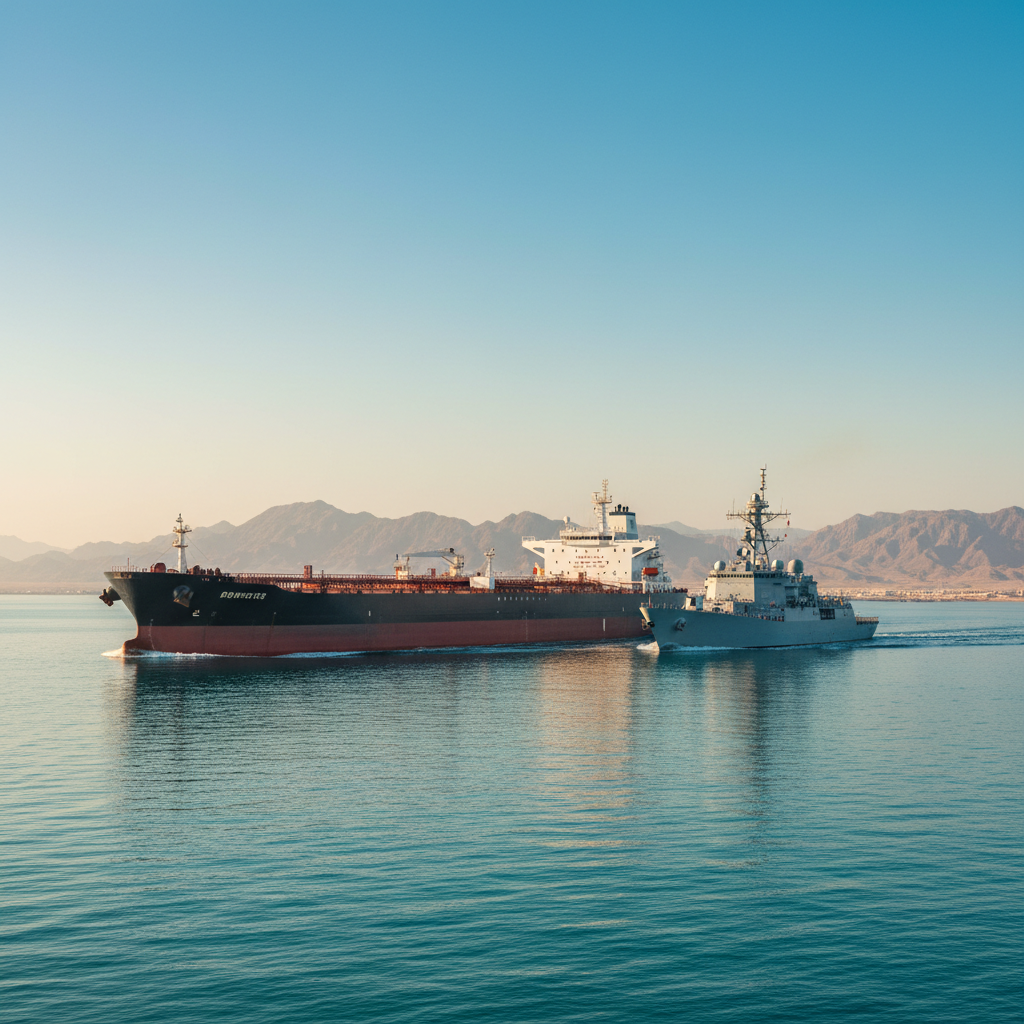
Recent intelligence indicates a sharp increase in maritime incidents within the Strait of Hormuz, with attacks on tankers reaching their highest weekly frequency since the onset of the Iran war. This alarming development, occurring amidst a period of heightened export activity by Gulf producers, underscores a significant escalation of geopolitical tensions in a region vital to global trade. The Strait of Hormuz, a narrow chokepoint connecting the Persian Gulf to the open ocean, is arguably the world's most critical oil transit waterway, handling a substantial portion of the world's seaborne crude oil and liquefied natural gas (LNG) exports. The increased frequency of these incidents introduces a profound layer of uncertainty and risk for all maritime traffic traversing the area. Beyond the immediate threat of physical damage to vessels and cargo, the disruption manifests as heightened security concerns, potential for increased insurance premiums, and the imperative for re-evaluation of established shipping routes and schedules. This environment necessitates a proactive and informed approach from shippers to mitigate potential impacts on their supply chains.
Affected Lanes and Modes
The primary lane directly impacted by these escalating attacks is, unequivocally, the Strait of Hormuz itself. This critical waterway serves as the gateway for a vast volume of energy exports originating from major Gulf producers, including Saudi Arabia, the UAE, Qatar, Kuwait, and Iraq. Consequently, any vessel transiting this strait, particularly tankers carrying crude oil, refined petroleum products, and LNG, faces elevated risk. The disruption extends beyond the immediate vicinity of the attacks, influencing broader maritime routes that rely on passage through Hormuz to reach destinations in Asia, Europe, and the Americas. While the source specifically highlights tankers, the general increase in regional instability can indirectly affect other maritime modes, such as container ships or bulk carriers, if security advisories lead to broader operational changes or increased war risk premiums for all vessels in the area.
Indirectly, alternative, albeit limited, energy transit options like pipelines (e.g., the East-West Pipeline across Saudi Arabia) may see increased demand, but their capacity is insufficient to fully bypass the Strait's importance. Shippers must contend with the potential for longer transit times due to increased security protocols, possible naval escorts, or even decisions to re-route vessels around the Arabian Peninsula, adding significant mileage, fuel consumption, and associated costs. The ripple effect of these disruptions can extend globally, impacting the availability and pricing of energy commodities and, by extension, the cost of manufacturing and transportation across various industries.
Impact on Facilities
The heightened security risks in the Strait of Hormuz have direct and indirect implications for a range of facilities across the global supply chain. Export terminals situated within the Persian Gulf region, such as those in Ras Tanura (Saudi Arabia), Jebel Ali (UAE), and Ras Laffan (Qatar), are immediately affected. Vessels calling at these ports for loading face increased operational risk, potentially leading to delays in port calls, higher security requirements, and reluctance from some carriers or crew to operate in the area. This can translate into slower turnaround times and increased demurrage charges.
Further down the supply chain, import terminals and refineries globally that rely on a steady flow of crude oil and LNG from the Gulf region are also vulnerable. Disruptions in the Strait can lead to unpredictable arrival schedules, necessitating adjustments in inventory management and operational planning. Energy infrastructure, including power plants and industrial facilities dependent on these commodities, could face supply uncertainty and price volatility. While not directly targeted, the overall increase in regional instability can also impact the confidence of investors and operators in developing or expanding facilities within the broader Middle East, potentially affecting future capacity and trade flows.
Shipper Strategies
In light of the escalating risks in the Strait of Hormuz, shippers must adopt robust strategies to safeguard their supply chains. Proactive risk assessment is paramount, involving a thorough evaluation of current exposure to the region and identification of critical shipments. Diversification of sourcing is a key long-term strategy; exploring alternative suppliers from less volatile regions can reduce over-reliance on the Persian Gulf. For immediate concerns, shippers should engage in detailed contingency planning, outlining alternative routes, modes, or even temporary storage solutions should transit through Hormuz become untenable or excessively risky.
Reviewing contractual agreements is also crucial. Shippers should understand the implications of force majeure clauses, war risk insurance coverage, and demurrage terms in their existing contracts with carriers and suppliers. Maintaining adequate safety stock levels can provide a buffer against potential delays and supply interruptions. Furthermore, fostering strong communication channels with carriers, freight forwarders, and maritime security providers is essential for obtaining real-time intelligence and making informed decisions. Participating in industry forums and staying abreast of geopolitical developments and maritime security advisories will enable shippers to adapt swiftly to evolving circumstances.
The Role of Shipment-Visibility Control Towers (MGS)
In an environment characterized by escalating geopolitical risks, a robust shipment-visibility control tower platform like MGS becomes an indispensable tool for shippers. MGS provides real-time, end-to-end visibility into the movement of cargo, which is critical for navigating high-risk zones such as the Strait of Hormuz. Shippers can track the precise location and status of their vessels, enabling immediate awareness of any deviations from planned routes or unexpected delays. This real-time data is vital for assessing risk exposure and making rapid, informed decisions.
Beyond basic tracking, MGS platforms offer advanced capabilities such as automated alerts and notifications for vessels entering or operating within designated risk areas, or for any security incidents reported nearby. Predictive analytics can help forecast potential delays or disruptions based on geopolitical events, vessel movements, and port congestion, allowing shippers to anticipate problems before they fully materialize. Furthermore, an MGS control tower serves as a centralized communication hub, facilitating seamless information exchange between all stakeholders—shippers, carriers, and logistics partners. This collaborative environment enhances responsiveness, enabling faster adjustments to schedules, re-routing decisions, and communication with customers. The comprehensive data collected by MGS also provides an auditable trail, invaluable for insurance claims, compliance, and post-incident analysis, ultimately empowering shippers to maintain control and resilience amidst complex and volatile global events.
Source: gCaptain — https://gcaptain.com/attacks-on-tankers-in-hormuz-hit-highest-of-any-week-since-start-of-iran-war-sources-say/