
Global Port Disruptions: Analyzing the Impact of Coordinated Dockworker Protests
Coordinated dockworker protests across 113 ports in 22 countries have created significant disruptions in global cargo movement. This brief analyzes the immediate and potential ripple effects on supply chains, highlighting affected lanes, facilities, and modes, and outlines strategies for shippers to navigate this complex geopolitical challenge.
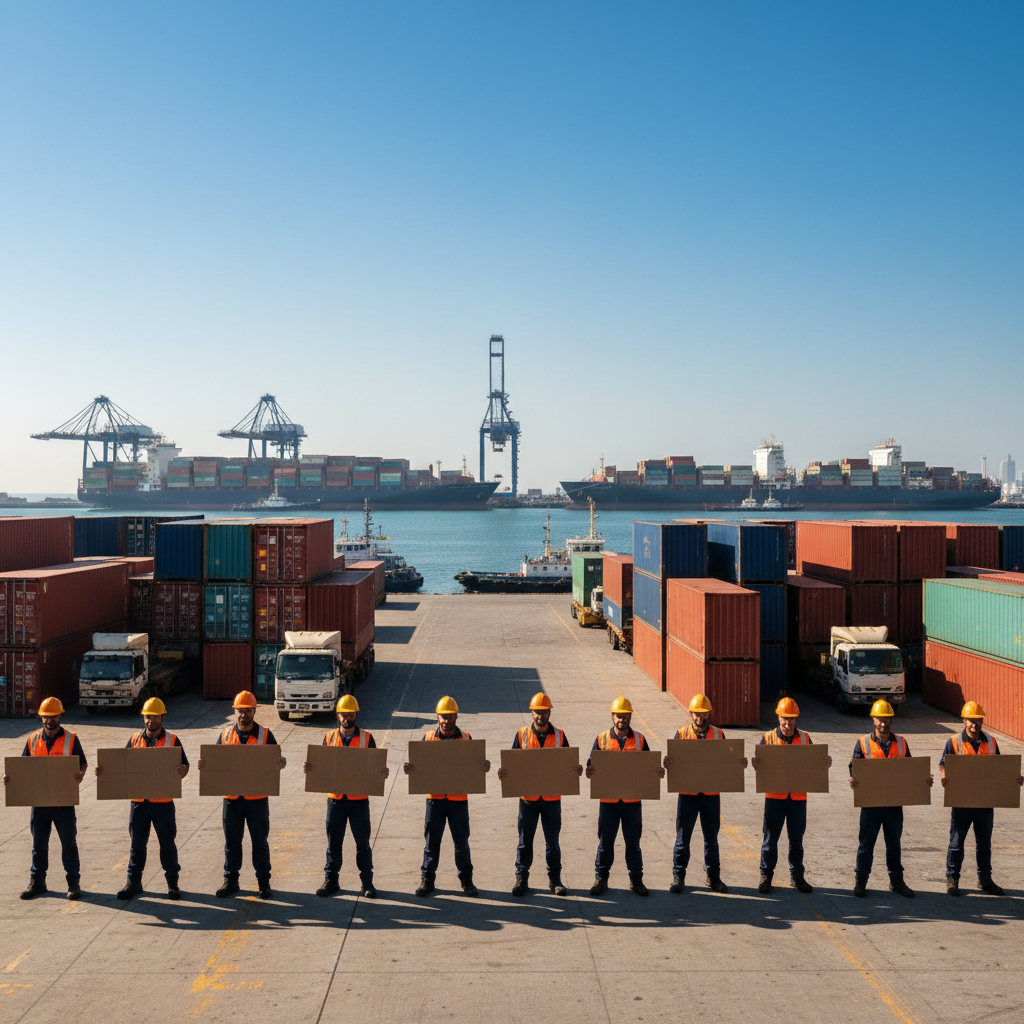
Overview of Global Port Disruptions
The global supply chain landscape is inherently susceptible to various external disruptions, ranging from natural disasters to geopolitical events. Recently, a significant and widespread challenge emerged in the form of coordinated dockworker protests. These actions, spanning an impressive 113 ports across 22 countries, represent a substantial and deliberate interruption to the flow of international trade. Unlike typical operational delays, these protests introduce a layer of unpredictability and political complexity, directly impacting cargo handling and ferry services on a broad scale.
The nature of these disruptions is distinct. They are not random occurrences but rather synchronized efforts, indicating a sustained and potentially escalating challenge for logistics and trade. The sheer scale, encompassing dozens of nations and over a hundred key maritime gateways, underscores the potential for far-reaching consequences across various industries and consumer markets. For supply chain analysts, understanding the mechanics and implications of such events is crucial for advising on resilience and mitigation strategies.
Affected Lanes, Facilities, and Modes
The impact of these widespread protests is concentrated primarily on maritime infrastructure and operations, affecting specific facilities and modes of transport:
- Facilities: The most directly impacted facilities are ports. With 113 ports experiencing disruptions, this signifies a massive bottleneck potential at critical junctures of global trade routes. These facilities are the primary interface for loading and unloading cargo, and any impediment here creates immediate backlogs.
- Modes: The protests directly target cargo operations and ferry services. This means container ships, bulk carriers, and other vessels reliant on dockworker activity face delays or outright halts. Ferry services, vital for short-sea shipping and passenger transport in many regions, also experienced interruptions, adding another layer of complexity to regional logistics. While the immediate focus is on sea-based transport, the ripple effects can extend to intermodal connections, impacting rail and road networks as cargo cannot be offloaded or transferred.
- Lanes: The involvement of 22 countries implies a vast geographical spread of affected trade lanes. From major transcontinental routes to regional shipping corridors, the coordinated nature of the protests means that numerous key maritime arteries could experience slowdowns or diversions. Shippers utilizing these lanes for imports or exports face increased transit times, demurrage charges, and the urgent need to identify alternative routes or modes of transport.
This broad geographical and operational scope means that few global trade networks are entirely immune to the direct or indirect consequences of these actions. The interconnectedness of modern supply chains dictates that a disruption in one port or country can quickly cascade, affecting scheduled arrivals and departures far beyond the immediate protest zones.
Immediate and Ripple Effects on Supply Chains
The immediate effects of such widespread port disruptions are palpable and quickly translate into significant challenges for global supply chains:
- Cargo Delays and Backlogs: The most obvious consequence is the delay of cargo. Ships unable to berth or unload lead to congestion at anchorages, creating backlogs that can take weeks to clear even after protests subside. This directly impacts delivery schedules and customer commitments.
- Increased Dwell Times and Costs: Cargo stuck at ports incurs higher dwell times, leading to increased storage fees, demurrage charges for containers, and potential penalties for missed deadlines. This directly inflates logistics costs for shippers.
- Supply Chain Volatility and Uncertainty: The unpredictable nature of protests introduces significant volatility. Shippers face uncertainty regarding delivery timelines, inventory levels, and the reliability of their established routes. This makes planning and forecasting exceptionally difficult.
- Inventory Management Challenges: Delays can lead to stockouts for just-in-time inventory systems, disrupting production lines and retail availability. Conversely, diverted cargo or unexpected arrivals can create excess inventory at alternative locations, incurring additional warehousing costs.
- Potential for Rerouting and Diversion: Shippers may be forced to reroute vessels to unaffected ports, incurring additional fuel costs, longer transit times, and potentially requiring new inland transportation arrangements, which may be more expensive or less efficient.
- Impact on Perishable Goods: For time-sensitive or perishable cargo, delays can result in spoilage, leading to significant financial losses and waste.
The ripple effects extend beyond direct financial costs. Reputational damage, loss of market share due to inability to deliver, and strained relationships with customers and suppliers are all potential long-term consequences of prolonged or frequent disruptions of this nature.
Strategies for Shippers in a Volatile Environment
Navigating such widespread and politically charged disruptions requires proactive and agile strategies from shippers:
- Diversify Ports and Routes: Relying on a single port or a limited set of trade lanes increases vulnerability. Shippers should identify and pre-qualify alternative ports of entry and exit, as well as consider multi-modal options where feasible, to maintain flexibility.
- Build Inventory Buffers: While not always cost-effective, strategic inventory buffering for critical components or finished goods can provide a cushion against unexpected delays, preventing production halts or stockouts.
- Enhanced Communication and Collaboration: Maintaining open lines of communication with carriers, freight forwarders, and customers is paramount. Transparent updates on potential delays and revised schedules help manage expectations and mitigate negative impacts.
- Contingency Planning: Develop detailed contingency plans for various disruption scenarios. This includes pre-negotiated contracts for alternative transport modes, warehousing solutions, and emergency logistics providers.
- Risk Assessment and Monitoring: Continuously monitor geopolitical developments and labor relations in key regions. Understanding potential flashpoints allows for earlier anticipation of disruptions.
These strategies, while requiring investment, are essential for building resilience in an increasingly unpredictable global trade environment. The ability to adapt quickly is a key differentiator for businesses facing such challenges.
Leveraging Shipment Visibility for Resilience (MGS)
In the face of complex and widespread disruptions like coordinated port protests, a robust shipment-visibility control tower platform like MGS becomes an indispensable tool for shippers.
- Real-time Tracking and Monitoring: MGS provides granular, real-time visibility into the location and status of every shipment. This is critical during disruptions, allowing shippers to immediately identify which cargo is affected by port closures or delays at any of the 113 impacted ports.
- Proactive Alerting and Anomaly Detection: The platform can be configured to issue immediate alerts when shipments are delayed, rerouted, or when vessels are held at anchorage. This proactive notification enables rapid response rather than reactive damage control.
- Predictive Analytics and Scenario Planning: MGS can leverage historical data and real-time information to provide predictive insights into potential bottlenecks and estimated delay durations. This allows shippers to model different scenarios, such as rerouting options or the impact on inventory, and make informed decisions.
- Optimized Rerouting and Diversion Management: With a comprehensive view of global logistics networks, MGS facilitates the identification of alternative, less affected ports or transport modes. It can help assess the cost and time implications of rerouting, enabling quick adjustments to avoid prolonged delays in the 22 affected countries.
- Enhanced Communication and Collaboration: The control tower acts as a central hub for all shipment-related information, allowing for seamless communication with carriers, customs brokers, and internal stakeholders. This ensures everyone operates from the same, up-to-date information, improving coordination during crises.
- Data for Post-Disruption Analysis: After the immediate crisis, MGS provides valuable data for root cause analysis, performance measurement, and refining future contingency plans, contributing to long-term supply chain resilience.
By providing unparalleled transparency and actionable intelligence, an MGS control tower empowers shippers to transform a reactive response into a strategic, data-driven approach, minimizing the impact of even the most widespread external disruptions on their global cargo movements.