
Geopolitical Tides: Navigating Disruption in Global Cargo Movement
Geopolitical events are reshaping global supply chains, forcing businesses to contend with disrupted routes, complex tariff landscapes, and heightened operational risks. This brief explores the tangible impacts on trade and transport.
Introduction: The Shifting Sands of Global Trade
In an increasingly interconnected yet volatile world, geopolitical events have transcended their traditional boundaries, evolving from localized incidents into systemic disruptors of global supply chains. From regional conflicts and trade disputes to shifts in international policy, these developments no longer represent isolated challenges but rather a persistent, dynamic force reshaping the very fabric of global commerce. For supply chain professionals, understanding and adapting to these shifts is paramount, as they directly influence the movement of goods, the cost of trade, and the overall resilience of logistics networks. This brief delves into the practical consequences of these geopolitical currents on cargo movement, focusing on the tangible impacts across air, sea, and land, as well as the intricate web of tariffs and sanctions.
Disruptions to Physical Movement: Airspace, Waterways, and Routes
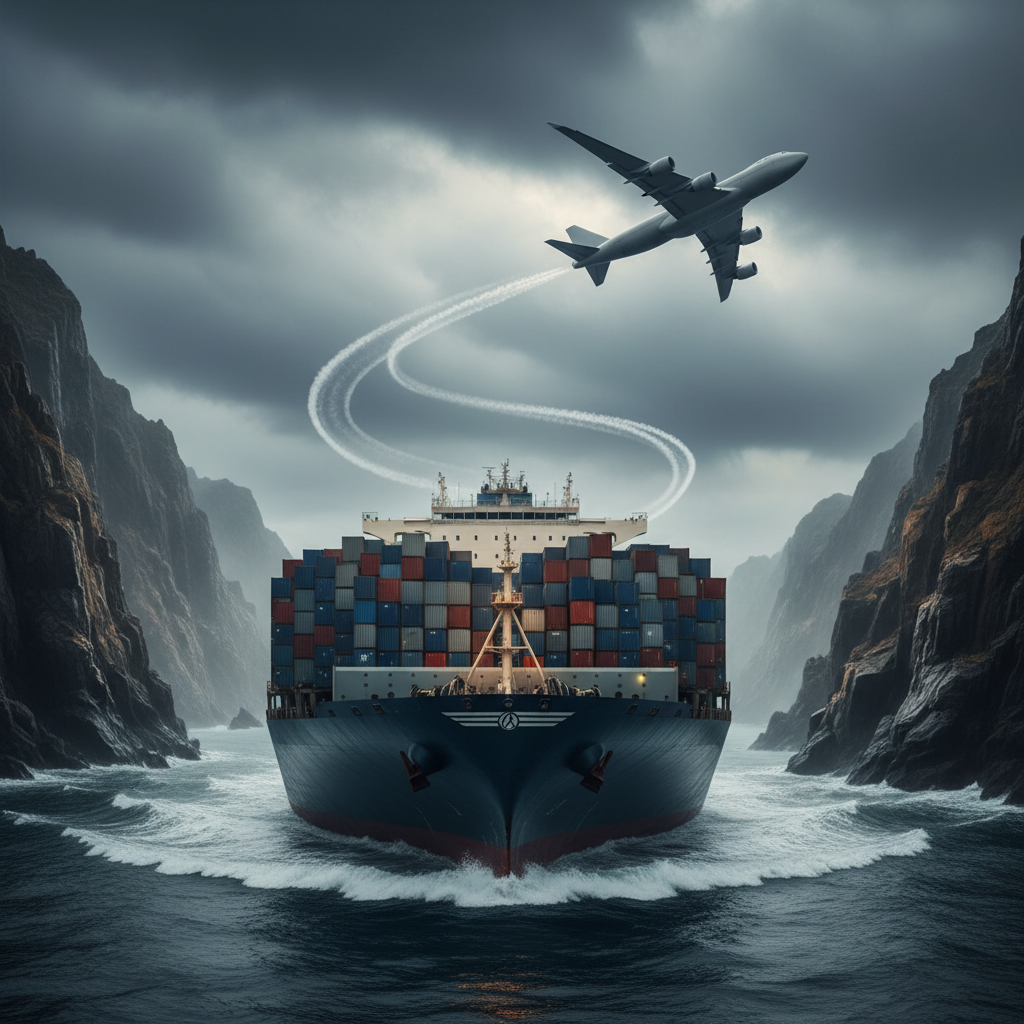
Geopolitical tensions frequently manifest as direct impediments to the physical flow of goods, forcing significant alterations to established transport routes. Airspace closures, for instance, compel air freight carriers to reroute, leading to longer flight times, increased fuel consumption, and higher operational costs. This not only inflates shipping expenses but also reduces overall air cargo capacity, creating bottlenecks and delays across global networks. Similarly, critical waterways, serving as vital arteries for maritime trade, are susceptible to disruption. Blockages, heightened security risks, or even outright closures can necessitate extensive rerouting around entire continents, adding weeks to transit times for ocean freight. This directly impacts inventory levels, lead times for manufacturing, and the reliability of delivery schedules. The resulting surge in demand for alternative routes often strains available shipping capacity, driving up freight rates and insurance premiums. On land, border closures, infrastructure damage stemming from conflicts, or heightened security checks can bring overland transport to a standstill, forcing diversions or complete cessation of critical routes. Collectively, these disruptions to air, sea, and land routes contribute to increased lead times, elevated logistics costs, and a more complex operational environment for all stakeholders in the supply chain.
The Economic Burden of Tariffs and Sanctions
Beyond physical disruptions, geopolitical events frequently weaponize economic tools such as tariffs and sanctions, imposing significant financial and operational burdens on global trade. Tariffs, essentially taxes on imported goods, directly increase the cost of doing business for importers and, subsequently, for consumers. These levies can drastically alter the competitive landscape, prompting companies to re-evaluate sourcing strategies, shift manufacturing bases, and seek new markets. The complexity is further compounded when tariffs are contested or deemed problematic, as evidenced by legal challenges seeking reimbursements for what are argued to be illegal levies. Such disputes introduce an additional layer of financial uncertainty and potential retroactive costs, requiring businesses to navigate not only the immediate impact of tariffs but also the long-term legal and financial ramifications. Sanctions, on the other hand, impose restrictions on trade with specific countries, entities, or individuals. They can prohibit the export or import of certain goods, block financial transactions, and create intricate compliance requirements. For businesses, navigating sanctions regimes demands rigorous due diligence, advanced tracking capabilities, and a deep understanding of evolving international regulations to avoid severe penalties. The combined effect of tariffs and sanctions is a fragmentation of global markets, reduced trade volumes, investment uncertainty, and a persistent pressure to diversify supply chains to mitigate exposure to high-risk regions.
Consequences for Supply Chain Resilience
The cumulative effect of these geopolitical disruptions is a profound challenge to supply chain resilience. The predictability that once underpinned global logistics has been replaced by pervasive volatility, making accurate forecasting and strategic planning increasingly difficult. Businesses face escalating costs across the board—higher freight rates, increased insurance premiums, the expense of enhanced compliance, and greater inventory holding costs due to longer transit times and the need for buffer stock. This shift away from lean, just-in-time inventory models towards more robust, just-in-case strategies ties up significant working capital and adds to operational overheads. Furthermore, companies may find themselves losing access to crucial markets or facing diminished competitiveness if they cannot absorb the increased costs or navigate the regulatory complexities. The imperative for diversification, while a sound long-term strategy, often entails substantial upfront investment and operational restructuring, further straining resources. Ultimately, geopolitical events force supply chains to operate in a state of perpetual adaptation, where agility and robust risk management are no longer advantages but necessities for survival.
Navigating Uncertainty with Visibility
In this era of heightened geopolitical volatility, the ability to maintain real-time visibility across the entire supply chain is no longer a luxury but a critical operational imperative. A robust shipment-visibility control tower, such as MGS, empowers businesses to transform reactive responses into proactive risk mitigation strategies. By providing granular, real-time data on cargo location, status, and potential disruptions—whether it's a vessel rerouting, a flight delay due to airspace closure, or a customs hold-up related to new tariff regulations—MGS enables early identification of emerging challenges. This immediate insight allows supply chain managers to make informed, dynamic decisions: rerouting shipments, selecting alternative transport modes, communicating proactively with affected stakeholders, and adjusting inventory plans to minimize financial losses and maintain customer commitments. Furthermore, in the complex landscape of tariffs and sanctions, visibility platforms aid in compliance management by tracking goods against evolving regulatory lists and ensuring adherence to origin rules. By consolidating disparate data points into a single, actionable view, MGS enhances operational agility and builds a more resilient supply chain capable of navigating the unpredictable currents of geopolitical change.
Conclusion: The New Normal of Disrupted Trade
The landscape of global trade is undeniably undergoing a fundamental transformation, with geopolitical events acting as a constant, powerful force of disruption. The days of predictable, optimized supply chains operating in a stable geopolitical environment are largely behind us. Businesses must now contend with a complex interplay of physical route disruptions, economic pressures from tariffs and sanctions, and an overarching increase in operational uncertainty and cost. Building resilience in this new normal demands more than just reacting to crises; it requires a proactive, adaptive approach underpinned by sophisticated technological solutions. Shipment-visibility control towers are proving indispensable in providing the clarity and agility needed to navigate these challenging waters, empowering organizations to mitigate risks, optimize operations, and sustain competitiveness amidst the ongoing geopolitical tides. The ability to see, understand, and act swiftly on disruptions is the cornerstone of future supply chain success.
Source: Supply Chain Dive — https://www.supplychaindive.com/news/federal-court-clears-way-for-class-action-suit-against-ieepa-tariffs/832600/