
Geopolitical Storms: Navigating the Strait of Hormuz Conflict's Impact on Global Cargo
The escalating US-Iran conflict has transformed the Strait of Hormuz into a perilous zone, severely disrupting one of the world's most critical shipping arteries. This brief analyzes the affected lanes, facilities, and modes, offering strategic insights for shippers to mitigate risks and maintain resilience through enhanced visibility.
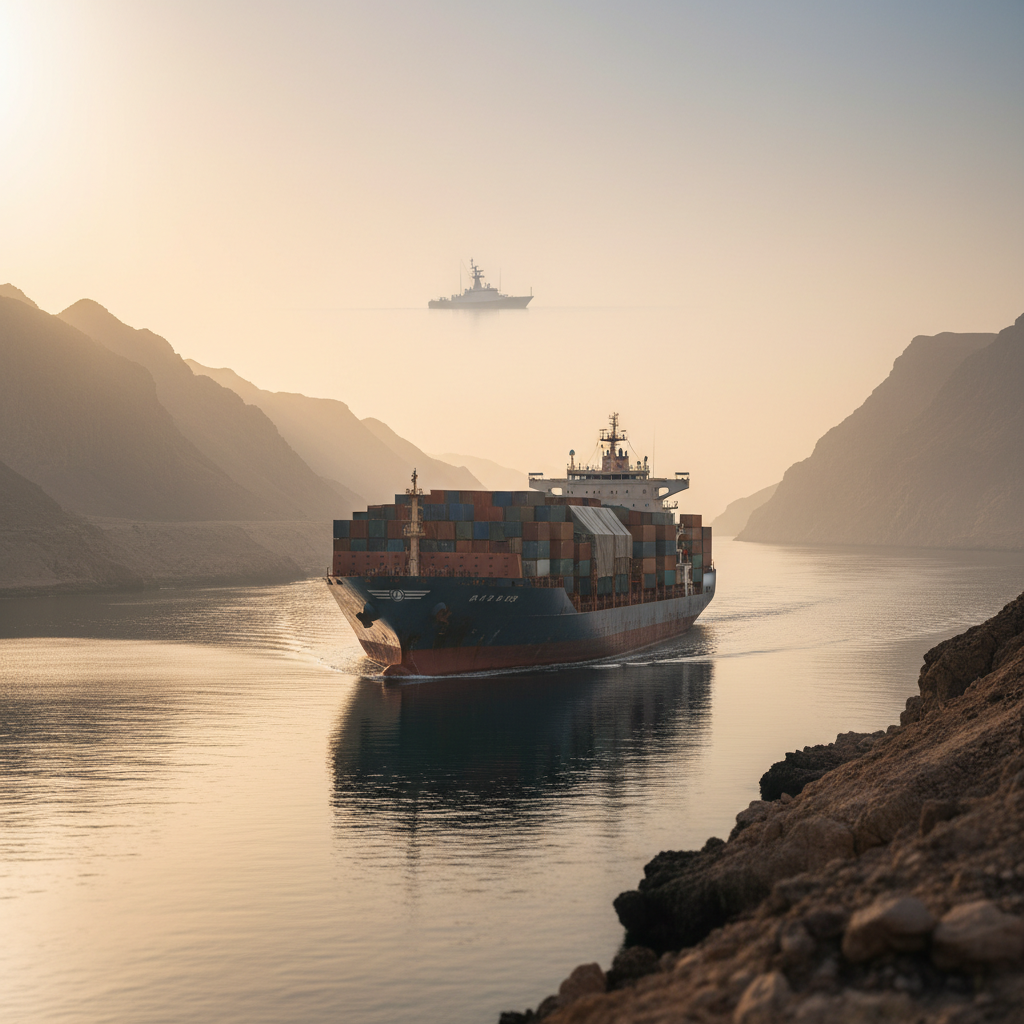
Affected Lanes
The Strait of Hormuz, a narrow waterway connecting the Persian Gulf to the open ocean, stands as an indispensable conduit for global energy and trade. Its strategic importance is unparalleled, with a significant portion of the world's seaborne oil passing through its waters daily. However, the ongoing US-Iran conflict has fundamentally altered its operational landscape, transforming it from a vital artery into a high-risk zone. This geopolitical tension has created an environment where merchant vessels and their crews face constant threats, leading to significant disruptions in transit.
The primary impact is felt directly within the Strait itself, forcing shipping lines to re-evaluate their risk exposure. While the physical lane remains open, the perceived and actual dangers have escalated dramatically. This translates into increased insurance premiums, longer transit times due to heightened security measures, and potential diversions around the Arabian Peninsula, adding thousands of nautical miles and days to voyages. Such diversions, while offering a safer alternative, impose substantial additional costs in fuel, crew wages, and vessel operating expenses, ultimately affecting the final price of goods. Furthermore, the unpredictability of the situation means that even planned routes can be subject to sudden changes, demanding constant vigilance and adaptability from carriers and shippers alike. The sheer volume of traffic through this choke point means that any disruption here has a ripple effect across interconnected global supply chains, impacting everything from energy markets to consumer goods.
Impacted Facilities
The geopolitical instability in the Strait of Hormuz directly affects the operational integrity and attractiveness of port facilities throughout the Persian Gulf region. Ports within the Gulf, which rely heavily on the Strait for access to international markets, experience a chilling effect on their throughput and efficiency. Terminals in countries like the UAE, Qatar, Saudi Arabia, and Kuwait, while not directly under attack, face indirect consequences such as reduced vessel calls, increased dwell times, and higher operational costs due to enhanced security protocols and insurance surcharges.
Vessels might hesitate to enter the Gulf if alternative routes or supply sources are viable, leading to a decline in port traffic and potentially impacting regional economies. Furthermore, the safety of port personnel and the security of cargo within these facilities become paramount concerns. The threat of escalation could lead to temporary closures or restrictions, further exacerbating delays and creating bottlenecks. The source highlights the appalling conditions and constant threat faced by "thousands of sailors" in the region, which can also impact port operations as crews may be unwilling to sail into or out of these high-risk areas, leading to labor shortages or increased demands for hazard pay. This human element directly translates into operational challenges for port facilities, from berthing delays to cargo handling issues, as the entire ecosystem adjusts to a heightened state of alert and uncertainty.
Disrupted Modes
The maritime shipping sector bears the brunt of the Strait of Hormuz conflict. As the primary mode for transporting oil, gas, and a vast array of other commodities through this region, ocean freight is uniquely vulnerable. The very nature of a vessel's slow transit speed and limited maneuverability makes it a potential target in a conflict zone. The risks are multi-faceted: direct attacks, piracy exploiting the instability, and the broader implications of naval blockades or heightened military presence.
This disruption manifests in several ways for maritime operations. Firstly, a significant increase in war risk insurance premiums makes voyages through the Strait substantially more expensive. Secondly, shipping companies may opt for longer, safer routes, such as circumnavigating Africa, which drastically increases transit times and fuel consumption, thereby reducing vessel availability and driving up freight rates. Thirdly, the conflict introduces an element of unpredictability that makes scheduling and logistics planning exceedingly difficult. Vessels might be delayed, diverted, or even detained, leading to missed delivery windows and cascading delays throughout the supply chain. The human cost, as evidenced by the "thousands of sailors" caught in the crossfire, also impacts this mode, with potential crew shortages or reluctance to sail into dangerous waters. This directly affects vessel capacity and operational reliability, forcing shippers to contend with a less efficient and more costly global maritime network.
Shipper Strategies
In the face of such profound geopolitical disruptions, shippers must adopt proactive and adaptive strategies to safeguard their cargo and maintain supply chain continuity. The first critical step involves comprehensive risk assessment and scenario planning. Shippers need to understand their exposure to the Strait of Hormuz and identify alternative sourcing or routing options before a crisis fully escalates. This includes exploring multimodal transport solutions, even if they are typically more expensive, for high-value or time-sensitive goods.
Diversification of suppliers and manufacturing locations can also reduce reliance on a single, vulnerable region. For cargo already in transit or committed to routes through the Strait, enhanced visibility becomes paramount. An advanced shipment-visibility control tower platform, like MGS, offers real-time tracking and predictive analytics, providing shippers with immediate alerts on disruptions, vessel diversions, or delays. This crucial insight allows for rapid decision-making, enabling shippers to communicate proactively with consignees, re-route shipments where possible, or activate contingency plans. For example, if a vessel is delayed or diverted, MGS can provide the updated ETA, allowing downstream logistics to be adjusted. Furthermore, such platforms can help analyze the impact of increased transit times and costs associated with alternative routes, informing future procurement and logistics decisions. Engaging closely with freight forwarders and carriers to understand their contingency plans and insurance coverage is also essential. Ultimately, resilience in this volatile environment hinges on foresight, flexibility, and leveraging technology for unparalleled visibility and control over the supply chain.
Source: Hellenic Shipping News — https://www.hellenicshippingnews.com/shipping-crews-caught-in-the-crossfire-of-the-hormuz-conflict/