
Geopolitical Storm in Hormuz: Navigating Heightened Maritime Risk
Recent tanker strikes in the Strait of Hormuz signal escalating geopolitical tensions, posing significant threats to global supply chains. This brief analyzes the impact on key lanes, facilities, and modes, and outlines strategies for shippers to maintain resilience.
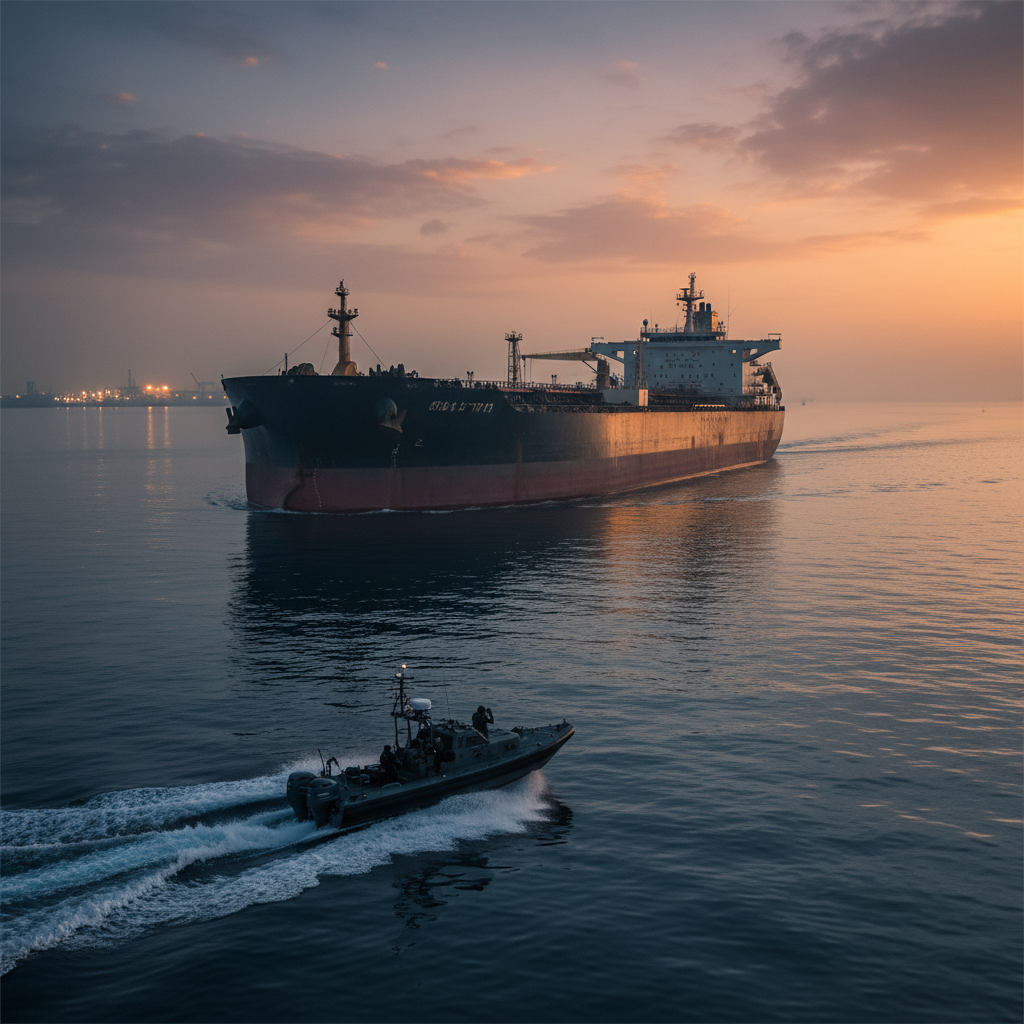
Introduction
Global supply chains operate on a delicate balance, constantly susceptible to a myriad of disruptions. While natural phenomena like extreme weather often dominate headlines, geopolitical events can trigger equally, if not more, profound and unpredictable challenges. The Strait of Hormuz, a critical maritime choke point, has recently become a focal point for such geopolitical volatility. Recent reports confirm that two more tankers have reported strikes, escalating the total to six ships affected within a single week. This brings the cumulative count to 110 incidents directly related to ongoing tensions, underscoring a significant and intensifying threat to maritime trade.
This escalation in the Strait of Hormuz is not merely a regional concern; it reverberates across the entire global economy. As a vital artery for energy shipments, any instability in this region has immediate implications for oil and gas markets, with cascading effects on manufacturing, transportation costs, and consumer prices worldwide. For supply chain professionals, understanding the multifaceted impact of these incidents – from affected shipping lanes and facilities to specific modes of transport – is paramount. Proactive strategies, supported by advanced visibility tools, are essential to navigate this increasingly complex and hazardous maritime landscape.
Affected Lanes
The Strait of Hormuz is arguably the world's most strategically important oil transit choke point, connecting the Persian Gulf with the Arabian Sea and beyond. Approximately one-fifth of the world's total petroleum liquids consumption, and a significant portion of global liquefied natural gas (LNG) trade, passes through this narrow waterway. The recent incidents directly impact this crucial lane, forcing shippers and carriers to reassess their risk exposure.
Disruptions in Hormuz don't just affect vessels transiting the strait; they create ripple effects across interconnected global shipping lanes. Vessels carrying crude oil, refined petroleum products, and other commodities from major producing nations like Saudi Arabia, Iran, UAE, Kuwait, and Iraq rely exclusively on this passage. Any perceived or actual threat can lead to increased transit times as vessels slow down, reroute, or face heightened security protocols. While direct rerouting around the Arabian Peninsula is geographically possible, it adds thousands of nautical miles to a journey, significantly increasing fuel consumption, operational costs, and delivery lead times. This extended journey impacts schedules for subsequent voyages, creating a domino effect across global maritime networks, from Asia to Europe and the Americas.
Affected Facilities
The geopolitical instability in the Strait of Hormuz directly impacts the operational efficiency and security of numerous port facilities within the Persian Gulf. Major commercial hubs such as Jebel Ali (UAE), Dammam (Saudi Arabia), Bandar Abbas (Iran), and various oil terminals throughout the region are intrinsically linked to the safe passage through this strait. These facilities serve as critical gateways for imports and exports, handling vast quantities of cargo beyond just energy products.
Heightened security concerns can lead to increased scrutiny for vessels entering or exiting these ports, potentially causing delays in berthing and cargo handling. Port operators may implement stricter security checks, leading to longer queues and reduced throughput. Furthermore, the risk of collateral damage or direct targeting of infrastructure, though not directly reported in the recent incidents, remains a latent threat that can deter vessel calls or lead to temporary closures. This uncertainty can disrupt the flow of goods, impacting inventory levels at warehouses and distribution centers reliant on these ports, and forcing shippers to consider less efficient alternative ports or modes of transport, if available, further exacerbating costs and transit times.
Affected Modes
Unsurprisingly, the primary mode of transport affected by the recent incidents in the Strait of Hormuz is maritime shipping, with a particular focus on tankers. The specific nature of the reported strikes on tankers directly targets the vessels responsible for transporting crude oil, refined products, and chemicals through this critical waterway. This has immediate and profound implications for the global energy supply chain.
Tanker operators face immense pressure to ensure the safety of their crew and vessels, leading to increased security measures, higher insurance premiums (specifically war risk insurance), and potentially fewer vessels willing to traverse the strait. This reduction in available tonnage, coupled with increased operational costs, translates directly into higher freight rates for shippers of liquid bulk cargo. While the incidents directly target tankers, other maritime modes, such as container ships and bulk carriers, are also indirectly affected. They share the same waters and face similar security risks, leading to potential delays, increased insurance costs, and the need for enhanced vigilance. Furthermore, any significant disruption to energy supplies via tankers can trigger volatility in fuel prices, impacting the operational costs of all modes of transport, including air, rail, and road, creating a systemic challenge for the entire logistics ecosystem.
Impact on Shippers
The escalating situation in the Strait of Hormuz presents a multi-faceted impact on shippers, extending far beyond simple delays. The direct and indirect consequences can significantly erode profitability, disrupt operational continuity, and damage customer relationships.
Financially, shippers face an immediate surge in costs. War risk insurance premiums for vessels transiting the region have historically spiked during periods of heightened tension, and the current environment is no exception. These increased insurance costs are invariably passed on to the shipper through higher freight rates. Furthermore, if vessels are forced to reroute, the extended transit times translate into higher fuel consumption and operational expenses, further inflating shipping costs. Commodity price volatility, particularly for oil and gas, adds another layer of financial uncertainty, impacting the cost of raw materials and finished goods that rely on these energy inputs.
Operationally, shippers confront unpredictable lead times and unreliable delivery schedules. The risk of vessel damage, cargo loss, or even temporary detention creates significant inventory management challenges. Companies may need to increase safety stock levels, tying up capital and incurring additional warehousing costs, to buffer against potential supply disruptions. Reputational damage is also a significant concern; failure to meet delivery commitments due to unforeseen geopolitical events can erode customer trust and lead to lost business opportunities. Ultimately, these incidents force shippers to fundamentally reassess their supply chain resilience, risk exposure, and strategic sourcing decisions.
Mitigating Risk with MGS Visibility
In an environment characterized by escalating geopolitical risks like those in the Strait of Hormuz, a robust shipment-visibility control tower platform, such as MGS, becomes an indispensable tool for shippers. Real-time, end-to-end visibility is no longer a luxury but a critical necessity for proactive risk management and operational resilience.
An MGS platform empowers shippers with the ability to monitor their cargo's precise location and status as it traverses high-risk zones. This includes real-time tracking of vessels through the Strait of Hormuz, providing immediate alerts if a vessel deviates from its planned route, slows unexpectedly, or enters a designated incident zone. This proactive monitoring allows shippers to anticipate potential delays or disruptions rather than reacting to them after the fact. The platform can integrate with maritime security advisories and geopolitical intelligence feeds, offering predictive insights into potential future flashpoints.
Furthermore, MGS facilitates dynamic scenario planning. In the event of a confirmed incident or a decision to reroute, shippers can quickly model the impact of alternative routes on transit times, costs, and subsequent supply chain stages. This data-driven approach enables informed decision-making regarding inventory adjustments, alternative port selection, or communication strategies with affected customers. By providing a single source of truth for all shipment data, MGS enhances communication and collaboration among internal teams, carriers, and logistics partners, ensuring everyone operates with the most current information to mitigate the impact of geopolitical disruptions effectively.
Shipper Strategies
Beyond leveraging advanced visibility platforms like MGS, shippers must adopt a comprehensive set of strategies to build resilience against geopolitical disruptions in critical areas like the Strait of Hormuz. A multi-pronged approach is essential to safeguard supply chains.
Firstly, diversification is paramount. Where feasible, shippers should explore alternative sourcing regions and transportation routes. While the Strait of Hormuz is unavoidable for certain origins, diversifying carrier partners can offer more flexibility in vessel choice and operational responses during crises. For non-energy cargo, considering multimodal options or alternative sea routes, even if longer, can reduce reliance on a single choke point.
Secondly, robust inventory management is crucial. While lean supply chains are efficient, periods of high geopolitical risk necessitate strategic safety stock levels. This buffer can absorb unexpected delays and disruptions without immediately impacting production or customer fulfillment. This must be balanced with carrying costs, requiring careful analysis.
Thirdly, a thorough review of contractual agreements with carriers, suppliers, and insurance providers is vital. Shippers need clear clauses regarding force majeure, war risk, and communication protocols during incidents. Understanding liabilities, responsibilities, and compensation mechanisms beforehand can prevent costly disputes and provide clarity during a crisis.
Finally, continuous intelligence gathering and collaboration are key. Staying informed about geopolitical developments, maritime security advisories, and regional political shifts enables proactive decision-making. Fostering strong relationships with logistics partners, freight forwarders, and industry associations can provide invaluable insights and support during times of uncertainty. By combining technological solutions with strategic operational planning, shippers can enhance their ability to navigate the complexities of a volatile global trade environment.
Source: The Maritime Executive — https://maritime-executive.com/article/two-more-tankers-in-hormuz-report-strikes-bringing-total-to-six-in-a-week