
Escalating Threats in the Middle East: Navigating Oil Supply Chain Volatility
Recent attacks in the Strait of Hormuz and Yanbu port highlight critical vulnerabilities in global oil supply chains. This brief analyzes the impact on flows, costs, and how MGS enhances resilience.
How this impacts the global supply chain
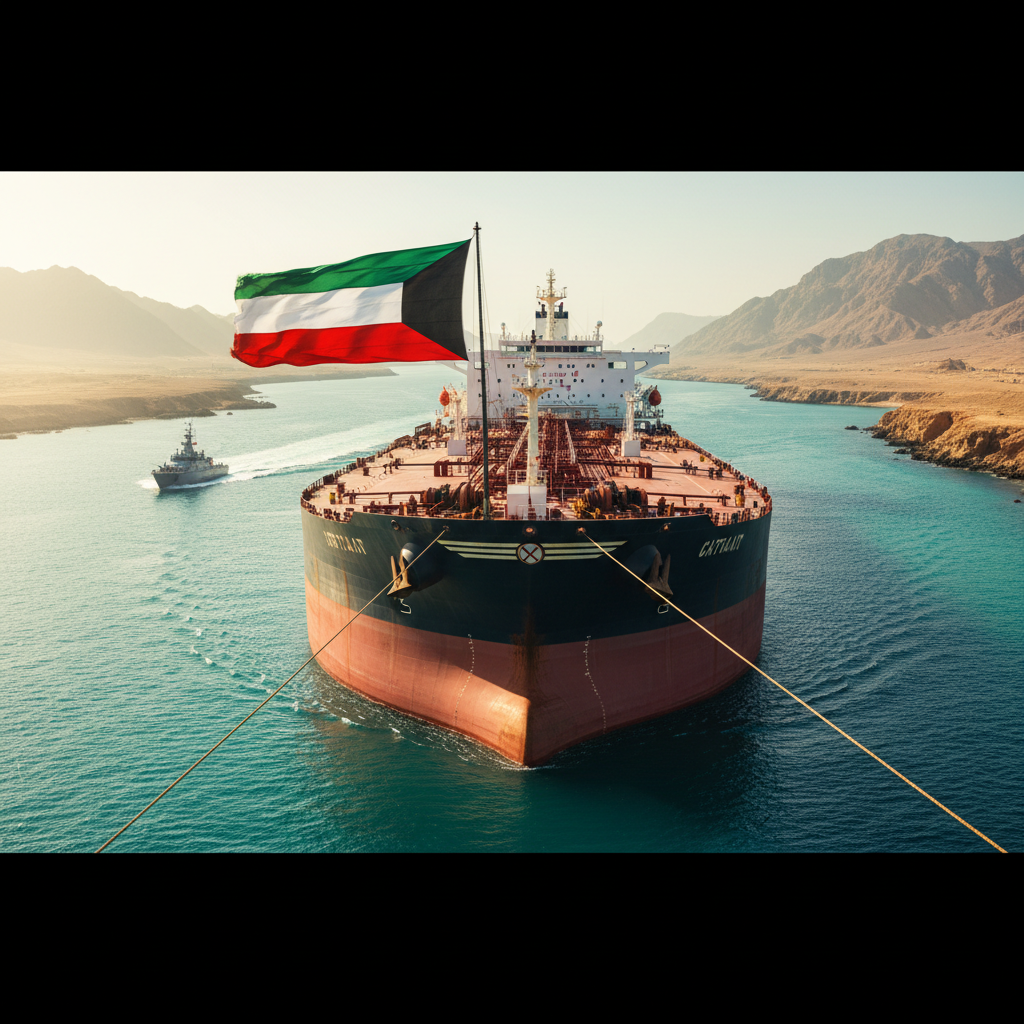
The recent security incidents, including a second VLCC strike in four days and a projectile attack at Saudi Arabia's Yanbu port, significantly escalate concerns along two critical oil export arteries: the Strait of Hormuz and the Red Sea corridor. These developments introduce profound implications for global supply-chain flows, routes, capacity, and operational efficiency.
Firstly, these attacks directly threaten the unimpeded flow of crude oil. The Strait of Hormuz is a vital chokepoint; threats here compel vessels to exercise extreme caution, leading to slower transits, increased security protocols, and potential diversions. The brief disruption at Yanbu underscores the vulnerability of port loading operations, creating cascading delays that impact downstream global schedules.
Secondly, established shipping routes face re-evaluation. Carriers will factor in higher risk premiums for voyages through Hormuz and adjacent waters, potentially leading to a preference for alternative, longer, and more expensive routes. Even without full rerouting, heightened security mandates slower speeds, extending journey durations.
Thirdly, global shipping capacity is indirectly affected. Elevated risk perceptions can tighten the availability of vessels willing to operate in these zones. Shipowners may demand higher charter rates to offset increased insurance premiums and enhanced security measures. This effectively reduces economically viable capacity, creating bottlenecks and upward pressure on freight rates. A damaged vessel, like the Kuwait-flagged Kazimah, also directly reduces available capacity during repairs.
Finally, operational efficiency suffers. Beyond slower transits, ports may implement more stringent security checks, leading to longer turnaround times. Supply chain planners face increased uncertainty regarding arrival times and cargo delays, requiring greater buffers and contingency plans, ultimately increasing operational overheads for energy commodities.
Global financial impact
The recent security incidents, characterized by a second VLCC strike and a projectile attack at a major oil export terminal, carry substantial financial and cost implications for shippers, carriers, and global trade. These events inject significant uncertainty into maritime commerce, driving up expenses and impacting commodity markets.
For shippers, the most immediate financial burden manifests in escalating freight costs. Heightened risk translates directly into increased "war risk" insurance premiums, inevitably passed on by carriers. Delays caused by security measures or port disruptions can lead to significant demurrage charges. Beyond freight, volatility in oil prices, triggered by supply concerns from critical regions, directly impacts raw material costs for numerous industries and operational expenses across all transport modes, complicating budgeting and eroding profit margins.
Carriers bear the brunt of direct financial risks. Insurance costs for vessels and crews against acts of aggression rise sharply. Beyond increased premiums, carriers face potential losses due to vessel damage or total loss. The "second VLCC strike in four days" highlights a recurring threat translating into substantial repair costs, vessel downtime, and lost revenue. Even without direct damage, carriers incur additional operational expenses for enhanced security measures. Rerouting means longer voyages, increased fuel consumption, and higher crew costs, diminishing profitability on existing contracts.
For trade at large, these incidents contribute to broader economic instability. The Middle East is central to global energy supply, and disruptions there reverberate through international markets. Volatility in oil prices can fuel inflation, impacting consumer purchasing power and business investment decisions worldwide. Increased shipping costs and delivery uncertainty can deter trade, leading to reduced volumes and potentially shifting trade patterns as companies seek to de-risk their supply chains. This dampens global economic growth and increases the general cost of doing business internationally.
How MGS can help navigate today's global trade environment
In an environment marked by escalating maritime security threats, a sophisticated shipment-visibility control tower platform like MGS becomes an indispensable tool for operators seeking to maintain operational continuity and mitigate risk. MGS provides critical real-time intelligence and analytical capabilities to respond effectively to incidents like the recent VLCC strike and port attack.
Firstly, MGS offers unparalleled real-time visibility into vessel movements, even in high-risk zones like the Strait of Hormuz and Yanbu. Continuously tracking every shipment, operators can immediately identify if their vessels are approaching or within an affected area. This allows proactive decision-making: issuing immediate alerts, rerouting ships away from danger zones, or holding vessels at a safe distance until stability returns.
Secondly, the platform facilitates dynamic risk assessment and route optimization. When a security incident occurs, MGS overlays real-time threat intelligence with vessel positions and planned routes. Supply chain managers quickly assess potential impact and model alternative routes that bypass newly identified danger areas. The platform's ability to recalculate estimated times of arrival (ETAs) based on new routes is crucial for managing customer expectations and coordinating downstream logistics.
Thirdly, MGS enhances proactive communication and stakeholder coordination. As a single source of truth, it enables all relevant stakeholders to access the same real-time data, eliminating information silos. Automated alerts notify teams about deviations, delays, or security incidents, streamlining communication and allowing for a coordinated response.
Finally, MGS provides data-driven insights for long-term resilience planning. Aggregating data on incidents, delays, and rerouting decisions helps operators identify recurring patterns and assess contingency plan effectiveness. This historical data informs future strategic decisions, like diversifying carrier partnerships for high-risk routes or adjusting inventory levels. MGS's analytical capabilities transform reactive responses into proactive, data-informed resilience strategies.
Demand–supply analysis & improvement
The recent security incidents, including the second VLCC strike in four days and the brief disruption at Saudi Arabia’s Yanbu port, highlight the delicate balance of demand and supply within the global energy market. These events reveal a vulnerability in critical oil supply from an indispensable region.
Demand-Supply Dynamics: Global oil demand remains robust, while supply from the Middle East, via vital routes like Hormuz and ports like Yanbu, faces persistent security threats. The "briefly disrupted loading operations" implies temporary supply constriction. "Fresh security pressure" creates a perception of risk, leading to speculative oil price increases as markets anticipate future disruptions. The "second VLCC strike in four days" suggests a persistent threat, potentially deterring carriers, reducing effective shipping capacity, and exacerbating supply concerns.
Concrete Improvement Levers: To mitigate supply-side vulnerabilities and enhance resilience:
- Supply Chain Diversification: Explore alternative oil sources or increase strategic reserves to buffer against disruptions, reducing over-reliance on single chokepoints.
- Enhanced Risk Management and Intelligence: Invest in advanced maritime security intelligence, integrated with real-time visibility platforms (like MGS), for proactive identification of high-risk areas and dynamic rerouting.
- Optimized Inventory and Stockpiling: Re-evaluate just-in-time models, maintaining higher safety stocks for critical commodities to avoid production shutdowns or lost market share.
- Technological Adoption for Agility: Leverage digital platforms for end-to-end supply chain visibility and control for rapid incident assessment, swift communication, and agile decision-making for rerouting or adjusting logistics.
ROI-focused resilience
The recurring nature of maritime security incidents, exemplified by the "second VLCC strike in four days" and the "briefly disrupted loading operations" at Yanbu, underscores a quantifiable and escalating risk to global trade. Framing resilience actions in terms of Return on Investment (ROI) is crucial for justifying necessary investments.
Quantified Risk: The risks are tangible: a VLCC strike entails immediate costs of vessel damage, potential cargo loss, and significant downtime. Even "briefly disrupted loading operations" translate into demurrage charges and lost productivity. Beyond direct costs, there's increased insurance premiums, higher freight rates due to war risk surcharges, and broader economic impact from oil price volatility. For a single VLCC, repair costs can be millions, and daily demurrage tens of thousands. The "fresh security pressure" indicates an ongoing threat, increasing the probability of future incidents.
Resilience Investments and Their ROI:
- Investment in Advanced Shipment Visibility (MGS):
- Cost: MGS platform subscription, integration.
- ROI: Avoided rerouting costs (preventing a strike saves millions in repairs/cargo), reduced demurrage (proactive planning minimizes charges, e.g., $20,000-$50,000/day for a VLCC), optimized inventory, and enhanced data-driven decision-making for long-term risk mitigation.
- Investment in Enhanced Maritime Security Measures:
- Cost: Armed security teams, surveillance, crew training.
- ROI: Protection of assets and crew (cost of security is a fraction of potential loss), and potential for lower war risk insurance premiums.
- Investment in Supply Chain Diversification:
- Cost: New supplier relationships, alternative routes.
- ROI: Mitigation of single point of failure risk (avoiding catastrophic shutdowns), and increased market stability against price volatility.
By quantifying potential financial losses against resilience investments, businesses clearly see the positive ROI of proactive measures. The "second VLCC strike in four days" serves as a stark reminder that the cost of inaction far outweighs the investment in building a more secure and visible supply chain.
Source: Splash247 — https://splash247.com/fresh-attacks-hit-hormuz-tanker-and-saudi-oil-gateway/