
Escalating Maritime Risk in the Arabian Gulf: A Supply Chain Control Tower Perspective
A recent suspected missile attack on a tanker in the Arabian Gulf, coupled with Iran's updated Strait of Hormuz blacklist, signals a dangerous escalation in maritime threats. This brief analyzes the profound implications for global supply chains, financial markets, and how advanced visibility platforms like MGS are crucial for navigating this volatile environment.
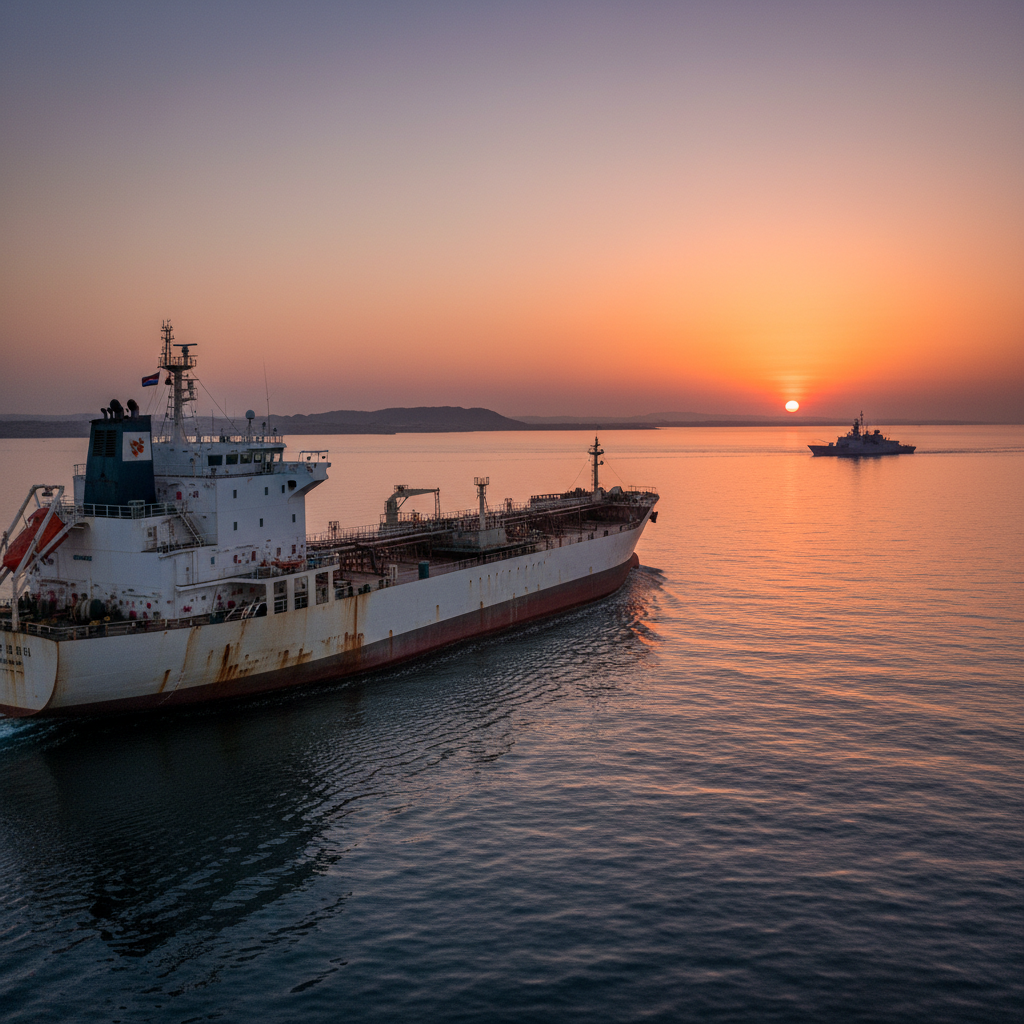
The Arabian Gulf and the vital Strait of Hormuz represent a critical artery for global trade, particularly for energy shipments. Recent events, including a suspected missile attack on a Greek-operated product tanker resulting in a missing seafarer, underscore a rapidly deteriorating security landscape. This incident, alongside Iran's reported reshuffling of its Strait of Hormuz blacklist and renewed security advisories, points to a sustained and heightened threat to commercial shipping. Such developments are not isolated incidents but rather indicators of a complex geopolitical environment directly impacting the reliability and cost-effectiveness of global supply chains.
How this impacts the global supply chain
Increased maritime insecurity in a chokepoint as crucial as the Strait of Hormuz has immediate and far-reaching consequences for global supply chains. Firstly, it directly impacts shipping routes and transit times. Vessels, particularly those carrying high-value or sensitive cargo like oil, may opt for longer, alternative routes to bypass perceived danger zones. This could involve circumnavigating Africa, significantly extending journey durations, increasing fuel consumption, and delaying delivery schedules. Such rerouting not only adds days or weeks to transit times but also strains vessel capacity on these alternative paths, potentially leading to congestion in other ports and waterways.
Secondly, vessel availability and capacity are likely to be affected. Shipowners and operators may become more reluctant to dispatch vessels into high-risk areas, leading to a reduction in available tonnage for routes transiting the Arabian Gulf. This scarcity can drive up charter rates and freight costs, further squeezing margins for shippers and ultimately impacting consumer prices. Furthermore, the psychological impact on seafarers, who are already under immense pressure, cannot be overstated. A missing seafarer following an attack highlights the personal risks involved, potentially exacerbating crew shortages and making it harder to staff vessels for these routes.
Thirdly, operational disruptions become more frequent and severe. Beyond direct attacks, the threat itself necessitates enhanced security measures, which can slow down operations. Increased inspections, escort requirements, and heightened vigilance all contribute to delays. Port calls in the region might face additional scrutiny or even be avoided, disrupting established logistics networks and requiring swift adjustments to port rotation schedules. The flow of essential commodities, particularly crude oil and refined petroleum products, which heavily rely on this region for transit, faces immediate and sustained risk, creating ripple effects across energy-dependent industries globally.
Global financial impact
The financial ramifications of escalating maritime threats in the Arabian Gulf are substantial and multi-layered, affecting various stakeholders across the global economy. For shippers, the most immediate impact comes in the form of higher freight rates and insurance premiums. War risk insurance premiums for vessels operating in the region have historically surged during periods of heightened tension, and this trend is expected to continue. These increased costs are inevitably passed down the supply chain, translating into higher landed costs for goods and ultimately impacting consumer prices for a wide array of products.
Carriers face increased operational costs due to longer routes, higher fuel consumption, and the necessity of implementing enhanced security protocols. The potential for vessel damage, loss of cargo, or even loss of life represents catastrophic financial risks that must be mitigated through robust insurance, which itself comes at a premium. Delays caused by rerouting or security measures also mean less efficient asset utilization, reducing the number of voyages a vessel can complete within a given period, thereby impacting revenue generation.
For trade at large, the instability introduces significant market volatility and uncertainty. Commodity markets, especially oil, are highly sensitive to disruptions in the Arabian Gulf. Any perceived threat to oil transit can trigger price spikes, impacting energy costs for businesses and households globally. This uncertainty can deter investment, disrupt long-term planning, and potentially lead to a slowdown in global trade as companies become more risk-averse. Furthermore, the cost of maintaining naval presence and security in the region for international forces also represents a significant financial burden, indirectly impacting global economies through defense spending.
How MGS can help navigate today's global trade environment
In an environment characterized by unpredictable geopolitical risks and escalating maritime threats, a sophisticated shipment-visibility control tower like MGS becomes an indispensable tool for supply chain operators. MGS provides real-time, end-to-end visibility across the entire supply chain, offering critical insights that enable proactive decision-making and rapid response to disruptions.
Firstly, MGS's ability to track vessels in real-time allows operators to monitor the precise location of their shipments relative to declared high-risk zones or areas experiencing incidents. Upon receiving intelligence about an attack or heightened threat, MGS can immediately highlight which vessels carrying critical cargo might be affected or are approaching a hazardous area. This granular visibility is crucial for assessing immediate risk and initiating contingency plans.
Secondly, MGS facilitates dynamic rerouting and capacity management. If a specific route becomes too dangerous, or if a vessel is delayed, the platform can help identify alternative shipping lanes, assess their feasibility, and estimate new arrival times. By integrating with carrier data and global maritime intelligence, MGS can provide updated ETA predictions, allowing downstream logistics, warehousing, and distribution networks to adjust their plans accordingly, minimizing cascading delays and potential stockouts.
Furthermore, MGS enhances risk assessment and communication. By centralizing data on vessel movements, security advisories, and incident reports, MGS provides a single source of truth for all stakeholders. This enables supply chain managers to quickly assess the potential impact of an event on their entire network, communicate effectively with carriers, customers, and internal teams, and make informed decisions on inventory management, order prioritization, and alternative sourcing. For instance, if a critical component is on a vessel now rerouting, MGS can help identify other in-transit inventory or alternative suppliers to mitigate potential production halts. This proactive stance, powered by comprehensive visibility, transforms reactive crisis management into strategic resilience.
Source: Splash247 — https://splash247.com/seafarer-missing-in-gulf-tanker-strike-as-iran-redraws-hormuz-blacklist/