
Escalating Maritime Incidents in the Gulf: A Q3 Wake-Up Call for Global Supply Chains
Geopolitical events are dramatically reshaping global shipping, with a significant surge in maritime attacks in the Gulf during Q3. This analysis explores the profound consequences for cargo movement, from disrupted routes and soaring costs to heightened supply chain volatility, and how real-time visibility platforms are critical for navigation.
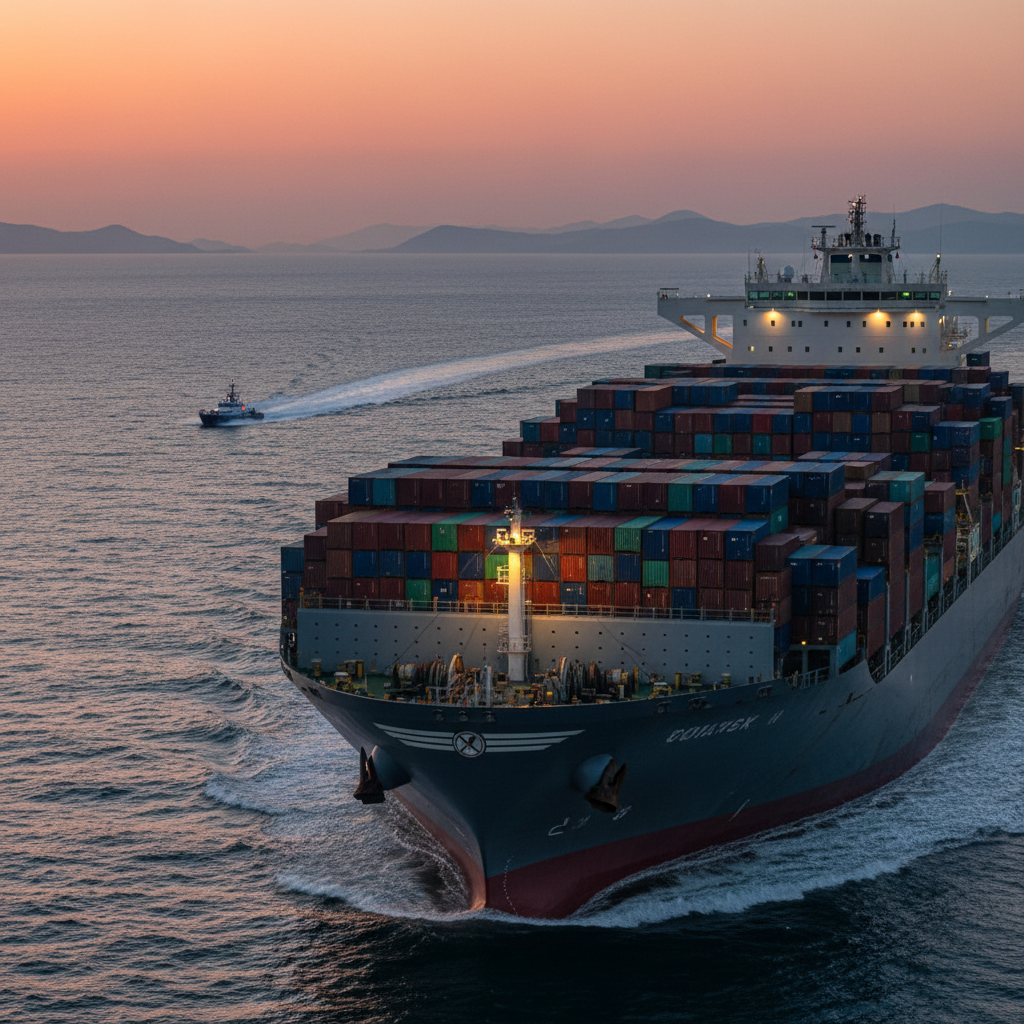
Geopolitical tensions continue to cast a long shadow over global trade, manifesting in tangible disruptions to the intricate web of cargo movement. The third quarter of the year brought particularly stark evidence of this, with a notable escalation in maritime incidents in the Gulf region. This critical waterway, essential for a vast proportion of global energy and commodity flows, experienced a significant increase in attacks on commercial vessels, underscoring the fragility of established trade routes and the profound implications for global supply chains. The repercussions extend far beyond the immediate vicinity of these incidents, creating ripple effects that challenge the fundamental principles of efficiency, predictability, and cost-effectiveness in international logistics.
Impact on Shipping Routes and Transit Times
The Gulf, a strategic chokepoint, witnessed a concerning rise in maritime incidents during Q3, with 45 commercial ships attacked – a substantial increase from 25 in Q2. Such a concentrated surge in hostile activity forces immediate and often costly adjustments to shipping routes. Vessel operators, prioritizing the safety of their crew and cargo, are compelled to re-evaluate passage through designated high-risk areas. This often means diverting ships to longer, alternative routes, such as circumnavigating entire continents to avoid perceived threats. While these detours mitigate direct risk, they invariably extend transit times by days, or even weeks, depending on the origin and destination. For instance, bypassing critical straits or canals adds thousands of nautical miles to a journey, consuming more fuel and pushing back estimated arrival times. These extended journeys disrupt carefully planned vessel schedules, leading to cascading delays across the entire logistics network. Ports further down the line may experience congestion as ships arrive off-schedule, impacting turnaround times and exacerbating delays for subsequent voyages. The knock-on effect is a significant slowdown in the flow of goods, impacting inventory cycles and the ability of businesses to meet delivery commitments.
Increased Costs (Insurance, Fuel, Security)
The direct consequence of heightened risk in key maritime corridors is a substantial increase in operational costs for shippers and carriers alike. Insurance premiums, particularly war risk insurance, surge dramatically when vessels operate in or transit through areas designated as high-risk zones. These additional charges are immediately passed down the supply chain, inflating the cost of goods. Furthermore, the necessity of longer routes directly translates to higher fuel consumption. Even if global fuel prices remain stable, the sheer volume of fuel required for extended voyages significantly elevates operational expenditure. Beyond these direct costs, security measures become paramount. This can involve hiring private maritime security personnel, implementing enhanced vessel hardening, or investing in advanced surveillance technologies – all of which add to the overall cost of transport. Indirectly, the increased uncertainty and longer transit times necessitate higher inventory holding costs for businesses. To buffer against unpredictable delays, companies may opt to hold larger safety stocks, tying up capital and increasing warehousing expenses. These cumulative cost increases ultimately impact consumer prices, contributing to inflationary pressures and reducing profit margins for businesses operating on tight logistical budgets.
Supply Chain Volatility and Reliability
The unpredictable nature of geopolitical events, as evidenced by the surge in maritime attacks, introduces an acute level of volatility and unreliability into global supply chains. Businesses thrive on predictability, but frequent disruptions to shipping routes and transit times shatter this foundation. Manufacturers relying on just-in-time (JIT) inventory systems are particularly vulnerable; even minor delays in the arrival of raw materials can bring production lines to a halt, leading to costly downtime and missed production targets. For retailers, erratic shipping schedules mean uncertainty in product availability, risking stock-outs on popular items or, conversely, overstocking due to delayed shipments arriving simultaneously. This makes effective inventory management a formidable challenge. The inability to guarantee delivery times can damage customer relationships and erode brand loyalty. Furthermore, the lack of reliability forces businesses to adopt more conservative, and often more expensive, supply chain strategies, such as diversifying suppliers or increasing safety stock levels, which can negate years of optimization efforts aimed at lean operations. The overall effect is a less agile, less efficient, and more expensive supply chain, struggling to adapt to an increasingly unpredictable global landscape.
Role of Technology (Shipment Visibility Control Towers)
In an environment characterized by escalating geopolitical risks and unpredictable disruptions, advanced technological solutions like MGS's shipment visibility control tower platforms become indispensable. These platforms provide real-time, end-to-end visibility into the movement of goods across the entire supply chain, offering a crucial advantage when routes are suddenly diverted or delays occur. By continuously tracking the precise location of every shipment, MGS empowers logistics professionals with immediate awareness of any deviation from planned routes or schedules. This real-time data is critical for proactive decision-making. For instance, if a vessel is rerouted due to security concerns in the Gulf, the control tower can instantly alert all relevant stakeholders, provide updated estimated times of arrival (ETAs), and even simulate the impact of the new route on downstream operations. Furthermore, these platforms often incorporate predictive analytics, leveraging historical data and current events to forecast potential delays or risks before they fully materialize. This foresight allows businesses to explore alternative transport modes, adjust production schedules, or communicate proactively with customers, mitigating the financial and reputational damage of unforeseen incidents. In essence, a robust shipment visibility control tower transforms a reactive, crisis-management approach into a proactive, resilient strategy, enabling businesses to navigate the complexities of a volatile global trade environment with greater confidence and control.
Source: Ship & Bunker — https://shipandbunker.com/news/world/178306-q3-was-the-most-dangerous-quarter-for-global-shipping-windward