
Electrifying the Gateway: New Jersey Seaport's 96-Truck Order Signals a Shift in Port Logistics
A significant order for 96 electric terminal trucks by a major New Jersey seaport marks a pivotal moment in port electrification. This analysis explores the ripple effects on global supply chains, financial implications for stakeholders, and how advanced visibility platforms like MGS can optimize operations in this evolving landscape.
How this impacts the global supply chain
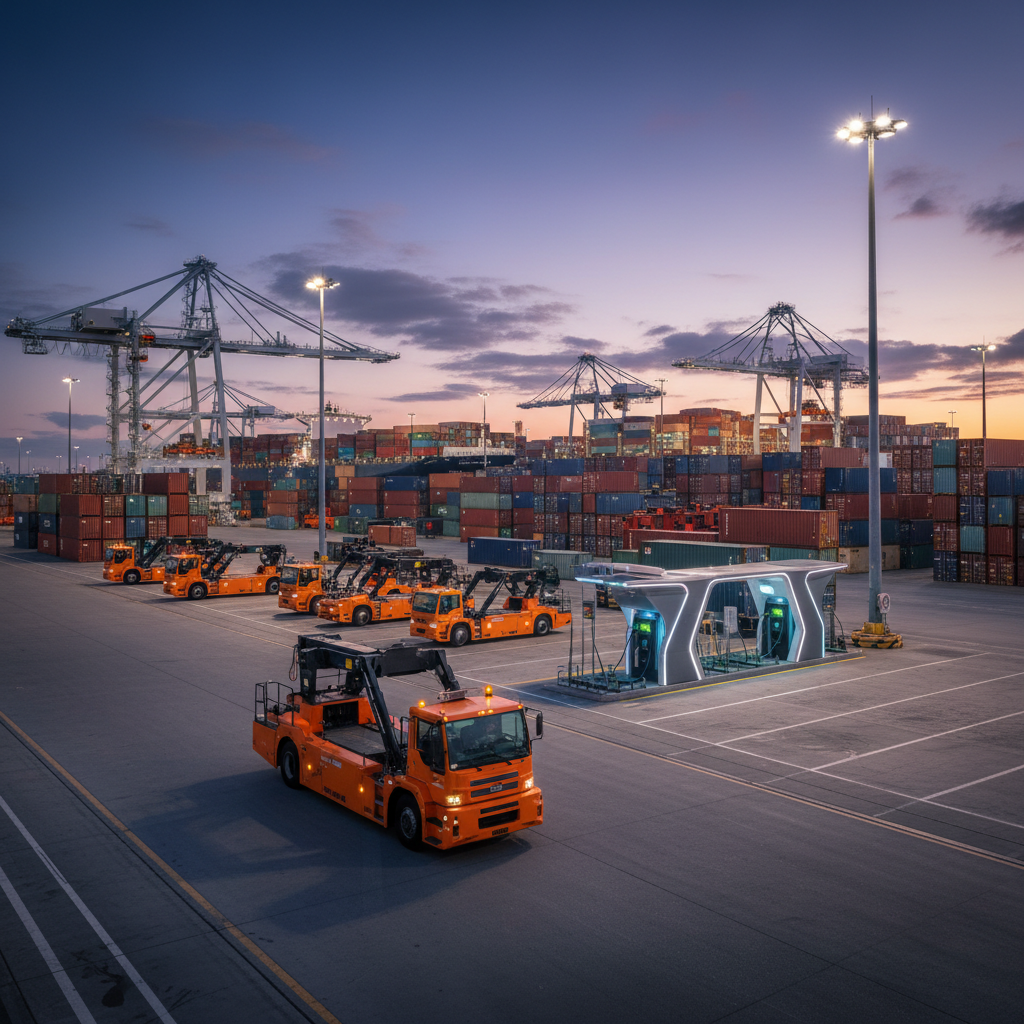
The recent commitment by APM Terminals Elizabeth, a prominent New Jersey seaport, to acquire 96 electric terminal trucks from Orange EV represents a substantial stride in port electrification, signaling a transformative shift in how goods move through critical logistics hubs. While the immediate impact is localized to intra-port operations, the broader implications for the global supply chain are profound and far-reaching. Firstly, this electrification initiative directly influences the efficiency and flow of goods. Electric terminal trucks, often characterized by lower maintenance requirements and potentially higher uptime compared to their diesel counterparts, can contribute to faster container movements within the terminal. This enhanced operational speed can reduce vessel turnaround times and minimize dwell times for containers awaiting onward transport, thereby accelerating the overall flow of goods from ship to shore and onto their next destination via rail or long-haul trucking. Such improvements in port velocity can alleviate congestion, a persistent challenge in global trade, and contribute to more predictable supply chain schedules.
Secondly, the adoption of electric fleets impacts port capacity. By optimizing internal logistics and reducing operational bottlenecks, ports can effectively increase their throughput capacity without requiring extensive physical expansion. This is crucial for major gateways like New Jersey, which handle immense volumes of international trade. A more efficient internal transport system means more containers can be processed in the same timeframe, enhancing the port's ability to manage peak demands and absorb supply chain shocks. Furthermore, this move aligns with a growing global emphasis on sustainability. As shippers and carriers increasingly prioritize environmentally responsible logistics, ports that invest in electrification become more attractive nodes in the global network. This can subtly influence routing decisions and carrier partnerships, favoring ports that demonstrate a commitment to reducing their carbon footprint. The trend, exemplified by this significant order and previous expansions at APM Terminals Los Angeles (Pier 400) involving 20-truck rental pilots leading to 40-truck expansions for a total of 60 trucks, suggests a broader industry movement towards greener, more efficient port operations that will ultimately reshape global logistics infrastructure and operational standards.
Global financial impact
The electrification of port terminal fleets, as demonstrated by the New Jersey seaport's order for 96 electric trucks, carries significant financial and cost implications for various stakeholders across the global trade ecosystem. For the ports themselves, the initial investment in electric terminal trucks and the necessary charging infrastructure is substantial. However, this upfront cost is typically offset by long-term operational savings. Electric vehicles generally incur lower fuel costs, as electricity is often more stable in price and cheaper per unit of energy than diesel. Maintenance expenses are also typically reduced due to fewer moving parts and simpler mechanical systems in electric trucks. These operational efficiencies can lead to a lower total cost of ownership over the lifespan of the fleet, improving the port's financial health and competitiveness. Moreover, ports investing in electrification may benefit from government incentives, grants, or carbon credit programs, further enhancing their financial returns and aligning with broader environmental, social, and governance (ESG) objectives.
For carriers, particularly drayage operators, the financial impact is largely positive. Improved port efficiency, stemming from faster internal container movements, translates directly into reduced waiting times at the terminal gates and loading zones. This means drayage trucks and drivers can complete more trips per day, increasing asset utilization and driver productivity. Reduced idle times also save on fuel costs for the drayage fleet, even if they are still diesel-powered. These efficiencies can lead to lower operational costs for carriers and potentially more competitive pricing for their services. For shippers, the financial benefits are more indirect but equally valuable. Faster and more reliable port operations can lead to reduced lead times for their goods, minimizing inventory holding costs and improving cash flow. Furthermore, a more efficient port can mitigate the risk of demurrage and detention charges, which can accumulate rapidly during periods of congestion. The overall reduction in supply chain volatility and increased predictability contribute to better financial planning and risk management for businesses engaged in international trade. The trend, as seen with the 24-truck deal with Greenwich Terminals, indicates a growing financial commitment to this transition, driven by both cost savings and strategic advantages.
How MGS can help navigate today's global trade environment
In an era where port electrification initiatives, such as the New Jersey seaport's order for 96 electric terminal trucks, are reshaping logistics, a shipment-visibility control tower like MGS becomes an indispensable tool for navigating the complexities of global trade. MGS provides real-time, end-to-end visibility across the entire supply chain, including the critical 'first and last mile' within port operations. As ports transition to electric fleets to enhance efficiency, MGS can integrate with port operating systems and even the electric truck fleet's telemetry data to offer unparalleled insights into container movements within the terminal. This means operators can track the precise location and status of every container, from discharge off a vessel to its placement on an electric terminal truck, and its subsequent movement to a storage yard or drayage pickup point. This granular visibility is crucial for optimizing the deployment of the new electric fleet, ensuring that trucks are utilized effectively and bottlenecks are identified and addressed proactively.
Furthermore, MGS's predictive analytics capabilities can leverage data from the electric truck operations – such as charging schedules, maintenance requirements, and typical travel times – to forecast potential delays or optimize resource allocation. For instance, if a specific charging station is experiencing high demand or an electric truck is undergoing scheduled maintenance, MGS can alert operators, allowing them to reroute containers or adjust pickup schedules to maintain fluidity. This proactive approach minimizes disruptions and maximizes the efficiency gains promised by the electric fleet. Beyond internal port operations, MGS facilitates seamless coordination between port authorities, ocean carriers, drayage companies, and shippers. By providing a single source of truth for cargo status, MGS ensures all stakeholders are aligned, reducing communication gaps and improving overall supply chain synchronization. This enhanced coordination is vital in leveraging the faster throughput and improved reliability offered by electrified ports, ultimately leading to more resilient and cost-effective global trade operations.
Demand–supply analysis & improvement
The significant order for 96 electric terminal trucks by the New Jersey seaport, alongside previous expansions at APM Terminals Los Angeles (Pier 400) from a 20-truck pilot to a 40-truck expansion, culminating in a 60-truck fleet, and a 24-truck deal with Greenwich Terminals, clearly illustrates a robust and accelerating demand for electric port equipment. This demand is driven by multiple factors, including increasing pressure for environmental sustainability, the pursuit of operational efficiencies, and the long-term cost savings associated with electric vehicle maintenance and fuel. Major port operators are making substantial commitments, indicating that electric terminal trucks are no longer niche solutions but are becoming a strategic imperative for modern port infrastructure. The scale of these orders underscores a market shift where ports are actively seeking to electrify their ground operations to meet both regulatory requirements and their own corporate sustainability goals, while simultaneously aiming to enhance throughput and reduce operational expenditures.
On the supply side, Orange EV is emerging as a key player capable of meeting this escalating demand. Their ability to scale from pilot programs to large-scale deployments, as evidenced by the progression in Los Angeles and the substantial New Jersey order, demonstrates a mature product offering and a robust production capacity. This indicates that the supply chain for electric terminal trucks is developing to support the industry's transition. The concrete improvement levers revealed by this dynamic are multifaceted. Firstly, it highlights the power of technology adoption as a primary driver for operational improvement and sustainability in the logistics sector. Ports are actively investing in cutting-edge electric vehicle technology to modernize their fleets. Secondly, scalability and proven performance are critical for successful implementation; Orange EV's expansion from pilots to large orders suggests their solutions are delivering on their promises, building confidence for further adoption. Thirdly, the focus on sustainability integration is a clear improvement lever, allowing ports to reduce emissions and align with global environmental mandates. Finally, the underlying goal of these investments is operational efficiency, aiming to move goods faster and more reliably within the port environment, thereby improving overall supply chain performance and resilience.
Source: DC Velocity — https://www.dcvelocity.com/transportation/trucking/new-jersey-seaport-orders-fleet-of-96-electric-terminal-trucks-from-orange-ev