
Electrification's Logistics Frontier: Navigating the Battery Supply Chain Revolution
DHL's expansion into specialized battery logistics highlights the profound shifts in global supply chains driven by electrification. This brief analyzes the impact on trade, finances, and how platforms like MGS are crucial for managing the complex, high-stakes movement of batteries across the world.
How this impacts the global supply chain
The rapid acceleration of the electrified value chain, encompassing electric vehicles, energy storage systems, and industrial equipment, is fundamentally reshaping global supply chains. DHL's strategic expansion into battery logistics underscores the critical need for specialized infrastructure and expertise to support this transformation. This development signifies a significant shift in cargo flows, moving away from traditional fossil fuel components towards high-value, often hazardous, battery materials and finished products.
Global supply chain flows are becoming increasingly complex. The movement of raw materials like lithium, cobalt, and nickel, through processing, battery cell manufacturing, module assembly, and finally integration into end products, creates intricate, multi-stage journeys. Each stage demands specific handling protocols, often involving temperature control, vibration dampening, and stringent safety measures due to the inherent risks associated with battery chemistry. This complexity is amplified by the global distribution of resource extraction, manufacturing hubs (e.g., gigafactories), and burgeoning consumer markets.
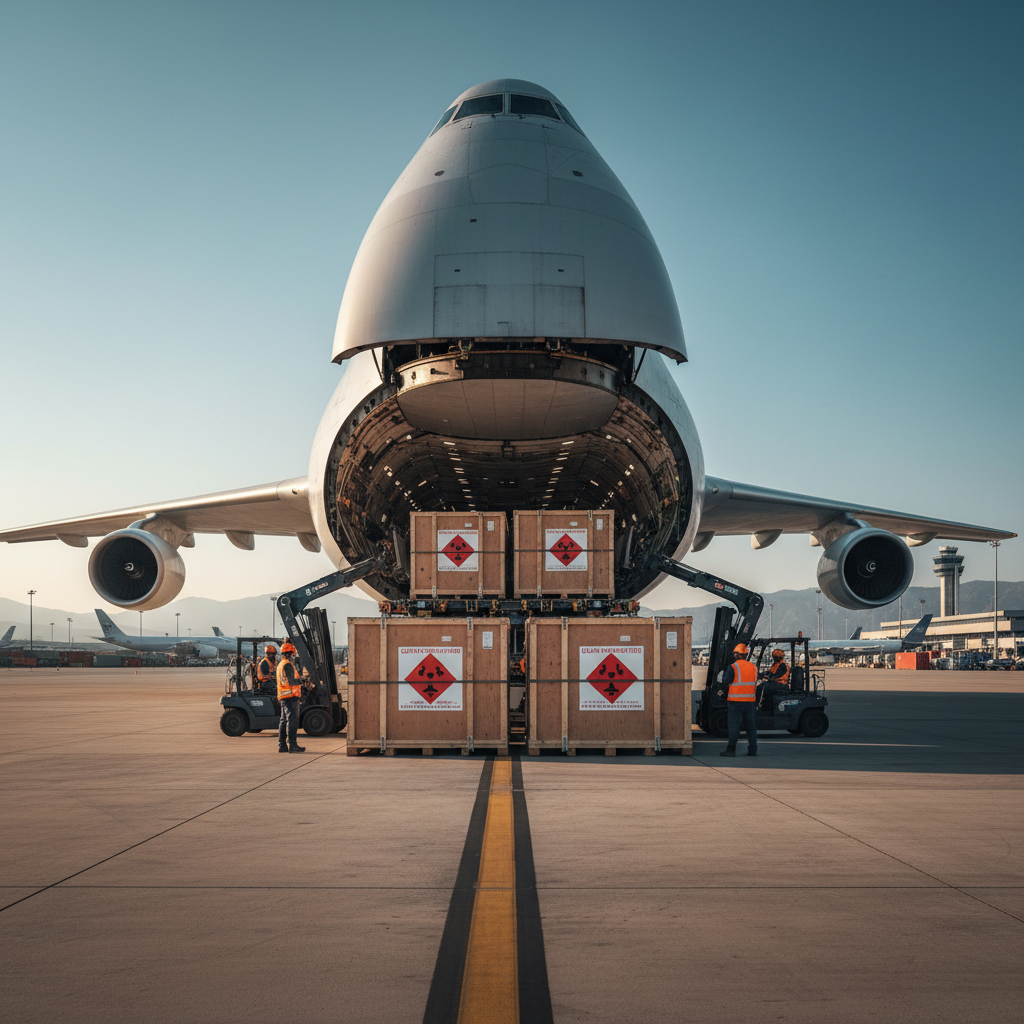
Existing logistics routes are being re-evaluated and new ones established to accommodate these specialized requirements. Standard freight lanes may not be suitable for hazardous materials, necessitating dedicated transport corridors or certified carriers. The sheer volume and weight of batteries and their components also place new demands on existing transportation capacity, particularly in air and ocean freight, where regulatory compliance for dangerous goods is paramount. Operations are becoming more stringent, requiring advanced training for personnel, specialized warehousing solutions, and sophisticated tracking capabilities to ensure safety and compliance across diverse international regulations. This global coordination is not merely an advantage but a necessity, as a single battery's journey can span multiple continents and jurisdictions, each with its own regulatory framework for hazardous material transport.