
Cybersecurity: The New Frontier of Supply Chain Resilience
Digital vulnerabilities now pose direct physical threats to global supply chains. Our latest Insight brief explores how cybersecurity has become a core logistics operating requirement, impacting flows, capacity, and financial stability. Discover how a shipment-visibility control tower like MGS offers critical resilience in this evolving landscape.
How this impacts the global supply chain
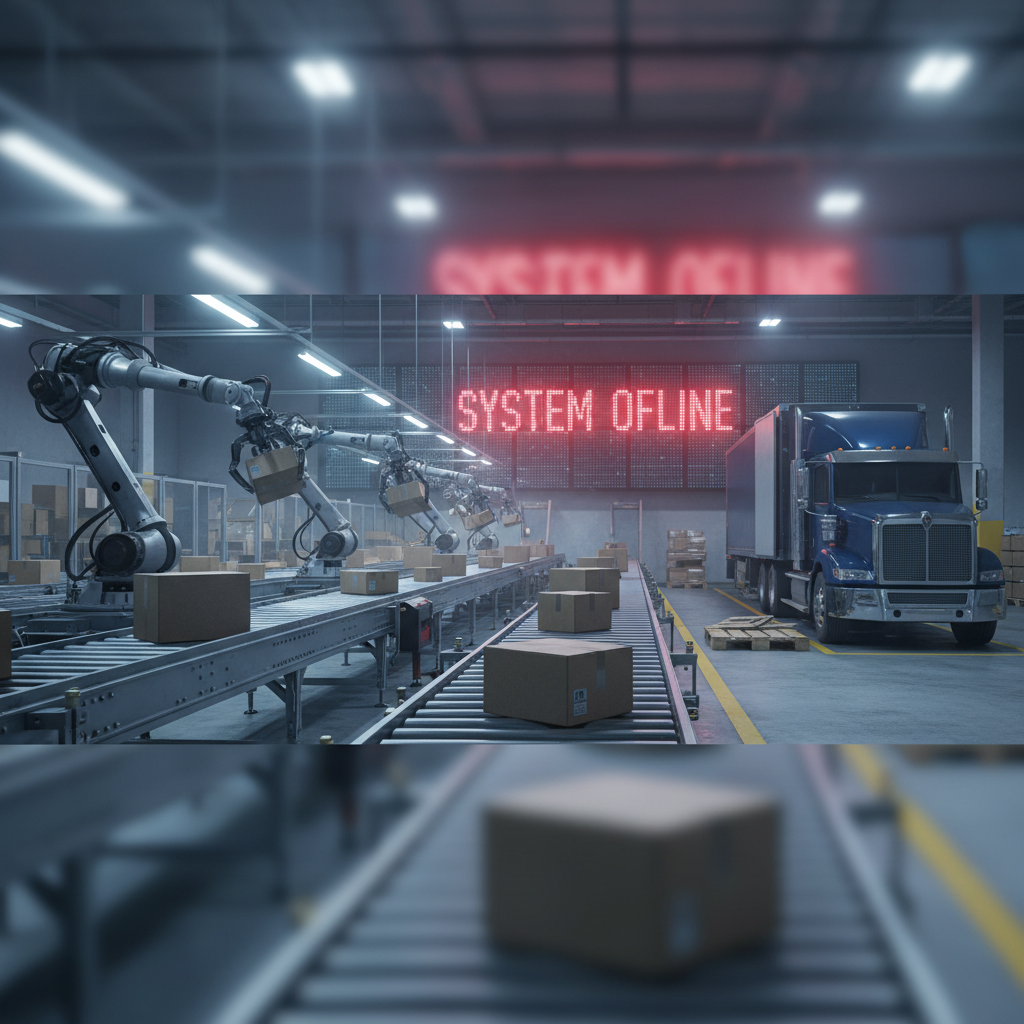
The transformation of logistics into a digital-first domain means that the integrity and security of information systems are no longer merely IT concerns but fundamental operational imperatives. As the source highlights, digital failures now directly translate into tangible, physical disruptions across the global supply chain. This paradigm shift profoundly impacts how goods move, where they move, the capacity available for their transport and storage, and the very nature of daily operations.
Regarding global supply chain flows, a cyberattack can instantaneously halt the intricate dance of goods movement. Imagine a major port's operating system being compromised; vessels might be unable to dock, containers cannot be offloaded or loaded, and customs clearance processes grind to a halt. This creates immediate backlogs, forcing ships to wait at sea or divert to alternative, often less efficient, ports. Similarly, if a major freight carrier's dispatch or fleet management system is breached, trucks could be rendered immobile, unable to receive new assignments or even navigate their current routes. The digital commands that orchestrate these physical movements are now vulnerable, meaning a digital disruption can cascade into widespread physical paralysis, severely impeding the smooth flow of goods from origin to destination.
The impact on routes is equally significant. When key logistics hubs – be it ports, airports, or major distribution centers – become inoperable due to a cyber incident, established trade routes are instantly disrupted. Shippers are compelled to seek alternative pathways, which often involves longer distances, additional transit time, and potentially more complex intermodal transfers. This rerouting is not just an inconvenience; it can strain infrastructure not designed for such volumes, introduce new security risks, and significantly alter delivery schedules, affecting downstream manufacturing and retail operations globally. The digital mapping and optimization tools that define modern logistics routes become liabilities if compromised, leading to chaos on the physical roads and seas.
Capacity within the global supply chain is also directly threatened. Modern warehouses increasingly rely on automated systems for inventory management, picking, packing, and sorting. A cyberattack on these systems can effectively reduce a warehouse's operational capacity to zero, even if the physical space and equipment remain intact. Goods become inaccessible, unable to be processed or shipped. On the transportation front, if a fleet's digital systems for scheduling, maintenance, or fuel management are compromised, vehicles may sit idle, effectively shrinking the available transport capacity. This artificial reduction in capacity, driven by digital vulnerabilities rather than physical scarcity, creates bottlenecks and exacerbates existing supply-demand imbalances, leading to delays and increased costs across the board.
Finally, operations are at the heart of this vulnerability. Every step, from order placement and processing through inventory management, freight booking, customs declarations, and last-mile delivery, is now digitally mediated. The "operational attack surface" encompasses not just physical assets like warehouses and fleets, but also the cloud applications and partner connections that facilitate these processes. A breach in any of these digital layers can compromise data integrity, leading to incorrect shipments, misdirected cargo, or even complete operational shutdowns. The ability to execute daily logistics tasks relies entirely on the continuous and secure functioning of these interconnected digital systems, making cybersecurity a non-negotiable prerequisite for operational continuity and efficiency.
Global financial impact
The pervasive integration of digital systems into every facet of logistics means that cybersecurity failures carry profound and far-reaching financial consequences for all stakeholders in global trade. The cost implications extend beyond immediate recovery efforts, impacting operational expenses, revenue generation, and long-term market stability.
For shippers, the financial repercussions of cyber-induced supply chain disruptions can be devastating. Delays caused by compromised systems at ports, warehouses, or carriers translate directly into increased costs such as demurrage and detention fees for containers held up. Furthermore, to mitigate the impact of these delays, shippers often resort to more expensive expedited shipping methods, eroding profit margins. Lost sales due to stockouts, inability to meet customer commitments, and potential penalties for missed delivery windows can significantly damage a company's revenue stream and market reputation. Beyond direct costs, the need to invest in more resilient supply chains, potentially through diversifying suppliers or holding larger safety stocks, adds to operational overhead. Insurance premiums for supply chain disruption coverage are also likely to rise as cyber risks become more prevalent and costly.
Carriers, including ocean lines, airlines, and trucking companies, face substantial financial burdens. An operational shutdown due to a cyberattack means lost revenue from halted services. The immediate costs of recovery are immense, encompassing expenses for IT forensics, system rebuilding, legal consultations, and public relations efforts to manage reputational damage. During an outage, carriers may be forced to revert to inefficient manual processes, significantly increasing operational expenses and labor costs. Moreover, they could face liability claims from shippers for delayed or damaged goods, further eroding profitability. The long-term impact on a carrier's brand and trust can lead to a loss of future contracts and market share, making robust cybersecurity an existential investment rather than a discretionary expense.
The broader implications for trade at large are equally concerning. Widespread or frequent cyber disruptions can lead to an overall slowdown in global economic activity as the efficient movement of goods, which underpins modern commerce, is hampered. This can manifest as increased prices for consumers, as higher logistics costs are passed down the supply chain. Furthermore, a lack of trust in the security of digital trade infrastructure can create new barriers to international cooperation and trade agreements. Nations and businesses may become more insular, prioritizing domestic supply chains over global ones to reduce exposure to cyber risks. The need for significant investment in cybersecurity infrastructure across entire trade ecosystems, from customs agencies to critical transport infrastructure, represents a new and substantial cost burden that will ultimately be borne by the global economy. The financial stability of entire industries now hinges on their ability to withstand and rapidly recover from sophisticated digital threats.
How MGS can help navigate today's global trade environment
In an era where digital vulnerabilities can cascade into physical supply chain disruptions, a robust shipment-visibility control tower like MGS becomes an indispensable tool for navigating the complexities of global trade. While MGS does not directly prevent cyberattacks, its core function of providing real-time, end-to-end visibility offers critical capabilities that help operators respond effectively to the physical consequences of digital failures, thereby enhancing resilience and operational continuity.
One of the primary ways MGS assists is through the early detection of anomalies. When a cyberattack impacts a logistics partner's systems, the first physical manifestations might be unexpected delays, off-route deviations, or a sudden halt in shipment movement. A control tower like MGS, by continuously tracking shipments against planned routes and schedules, can immediately flag such deviations. For instance, if a vessel's expected arrival at a port is suddenly delayed without official notification, or if a truck's GPS signal indicates it's stationary for an unusual period, MGS can alert operators. This allows for proactive investigation into whether the disruption is due to a routine issue or potentially a cyber-induced operational failure, providing precious time to react.
Furthermore, MGS empowers agile alternative planning and rerouting. In the event that a specific port, warehouse, or carrier is known to be compromised by a cyber incident, MGS provides the comprehensive, real-time data needed to quickly identify all affected shipments. Operators can then use this visibility to assess alternative routes, modes of transport, or even alternative partners. By understanding the exact location and status of every shipment, MGS enables rapid decision-making to divert cargo, rebook capacity, or adjust downstream production schedules, thereby minimizing the impact of the disruption and keeping goods moving, even if through altered channels.
Enhanced communication and data integrity verification are also critical functions. During a cyber incident, the primary communication channels of a compromised partner might be down or untrustworthy. MGS can serve as an independent, central hub for communicating verified status updates to all stakeholders – shippers, consignees, and other logistics partners. By providing a single source of truth for shipment status, MGS helps cross-verify information from potentially compromised systems, reducing reliance on a single, vulnerable data stream. This independent layer of visibility helps maintain trust and transparency, even when parts of the supply chain are under attack.
Finally, MGS contributes to proactive risk assessment and resilience through transparency. By aggregating and analyzing historical data on disruptions, including those potentially linked to cyber incidents, MGS can help identify partners, lanes, or geographies that are more frequently subject to operational failures. This data-driven insight allows organizations to refine their risk management strategies, diversify their logistics networks, and prioritize cybersecurity investments where vulnerabilities are highest. In essence, by illuminating the entire supply chain, MGS helps organizations understand their exposure to both digital and physical threats, enabling them to build more robust and responsive supply chains capable of navigating today's increasingly volatile global trade environment.
Demand–supply analysis & improvement
The source's assertion that "digital failure now creates physical consequences" fundamentally alters the dynamics of demand and supply within global logistics. Traditionally, supply chain disruptions were often attributed to physical events like natural disasters, labor strikes, or infrastructure failures. Now, digital vulnerabilities introduce a new, insidious layer of potential supply constraint, even when physical capacity and inventory theoretically exist.
From a supply perspective, cyberattacks can artificially choke off the flow of goods. If a warehouse's automated systems are compromised, goods cannot be picked, packed, or dispatched, effectively reducing the available supply to zero, regardless of the physical stock levels. Similarly, a cyberattack on a transportation network can prevent goods from being moved from origin to destination, creating localized or widespread shortages. This means that even if manufacturing output is high and demand is stable, the digital infrastructure's failure can create a severe supply deficit, leading to empty shelves, halted production lines, and unfulfilled orders. This digital-induced supply shock is particularly challenging because it can be invisible until the physical consequences manifest, making it difficult to anticipate and react to using traditional supply-side metrics alone.
While cyberattacks do not directly impact demand, their effect on supply can indirectly influence demand patterns. Prolonged disruptions and uncertainty about future supply can trigger panic buying or hoarding behavior among businesses and consumers. If a critical component's supply is repeatedly jeopardized by digital outages, manufacturers might over-order to build safety stock, creating artificial demand spikes that further strain an already compromised logistics network. This creates a vicious cycle where digital failures reduce supply, leading to demand volatility, which then places even greater pressure on a fragile system.
To improve these demand-supply dynamics in the face of cyber threats, several improvement levers are crucial. Firstly, diversification is paramount, extending beyond physical suppliers and routes to include digital platforms and partners. Relying on a single software vendor or cloud provider for critical logistics functions introduces a single point of failure that can have catastrophic supply implications. Secondly, proactive cyber resilience investment must be integrated into operational planning, not just IT budgets. This includes not only robust defensive measures but also redundant systems and comprehensive incident response plans that prioritize continuity of supply. Thirdly, real-time visibility, as offered by platforms like MGS, becomes critical. By providing an independent, comprehensive view of shipment status, MGS can quickly identify where supply is being impacted by digital failures, enabling operators to reallocate resources, find alternative sources, or communicate realistic lead times to manage demand expectations. Lastly, developing contingency plans for operating in a degraded digital environment is essential. This might involve manual backup processes for critical functions, ensuring that basic logistics operations can continue even if advanced digital systems are temporarily offline, thereby safeguarding the flow of supply.
ROI-focused resilience
The declaration that "cybersecurity has become a core logistics operating requirement" because "digital failure now creates physical consequences" fundamentally reframes the discussion around resilience investments. It positions cybersecurity not as a cost center, but as a critical investment with a clear, quantifiable return in terms of avoided losses and sustained operational capability. The ROI of resilience in this context is measured by the protection it offers against the tangible, costly disruptions stemming from digital vulnerabilities.
The investment in cyber resilience encompasses a broad spectrum of measures. This includes robust cybersecurity infrastructure (firewalls, intrusion detection systems, encryption), secure cloud applications, regular vulnerability assessments, employee training on cyber hygiene, comprehensive incident response planning, and the implementation of advanced visibility platforms. For instance, investing in a secure, independent shipment-visibility control tower like MGS contributes to resilience by providing an uncompromised view of operations, even if a partner's systems are breached. These investments are no longer optional "nice-to-haves" but essential components of operational expenditure.
The quantified risk that these investments protect against is directly linked to the "physical consequences" of digital failure. These risks can be translated into concrete financial losses:
- Downtime Costs: A major cyberattack can halt operations at a port, warehouse, or carrier. The cost of this downtime can be calculated as lost revenue per hour/day, plus ongoing fixed costs (salaries, rent) that continue to accrue. For example, a port closure could cost millions per day in lost trade and demurrage fees.
- Recovery and Remediation Costs: These include expenses for specialized IT forensics, legal counsel, system restoration, data recovery, and public relations to manage reputational damage. These costs can quickly escalate into the tens or hundreds of millions, depending on the scale of the breach.
- Lost or Damaged Goods: If automated inventory systems are compromised, goods could be mismanaged, lost, or even spoiled (e.g., if temperature control systems are affected). The value of lost inventory represents a direct financial hit.
- Fines and Penalties: Missed delivery windows due to cyber-induced delays can incur contractual penalties. Furthermore, data breaches often come with significant regulatory fines (e.g., GDPR, CCPA) and potential litigation costs.
- Reputational Damage and Lost Business: The long-term impact on customer trust and brand loyalty is difficult to quantify but can be the most damaging. A company known for unreliable supply chains due to cyber issues will lose market share and future contracts, impacting shareholder value.
- Increased Insurance Premiums: Following a significant cyber incident, insurance costs for cyber liability and supply chain disruption coverage will inevitably rise, adding to future operational expenses.
The ROI for investing in cyber resilience is therefore the difference between these potential catastrophic losses and the cost of prevention and mitigation. For example, if investing $5 million in enhanced cybersecurity and a visibility platform prevents a $50 million loss from a major operational shutdown, the ROI is substantial and clear. It's about protecting existing revenue streams, safeguarding assets, and ensuring business continuity. By understanding that every dollar spent on securing digital logistics infrastructure directly reduces the probability and impact of physical disruptions, organizations can make a compelling business case for treating cybersecurity as a strategic investment in operational stability and long-term profitability.
Source: Logistics Viewpoints — https://logisticsviewpoints.com/2026/10/15/cybersecurity-has-become-a-core-logistics-operating-requirement/