
China's Trade Surplus Exceeds $1 Trillion for Second Year as Exports Surge 35%
China's trade surplus has surpassed $1 trillion for the second consecutive year, driven by a 35% surge in exports. This analysis examines the financial and operational implications for businesses, focusing on cash flow generation, revenue growth, and underlying operational strengths.
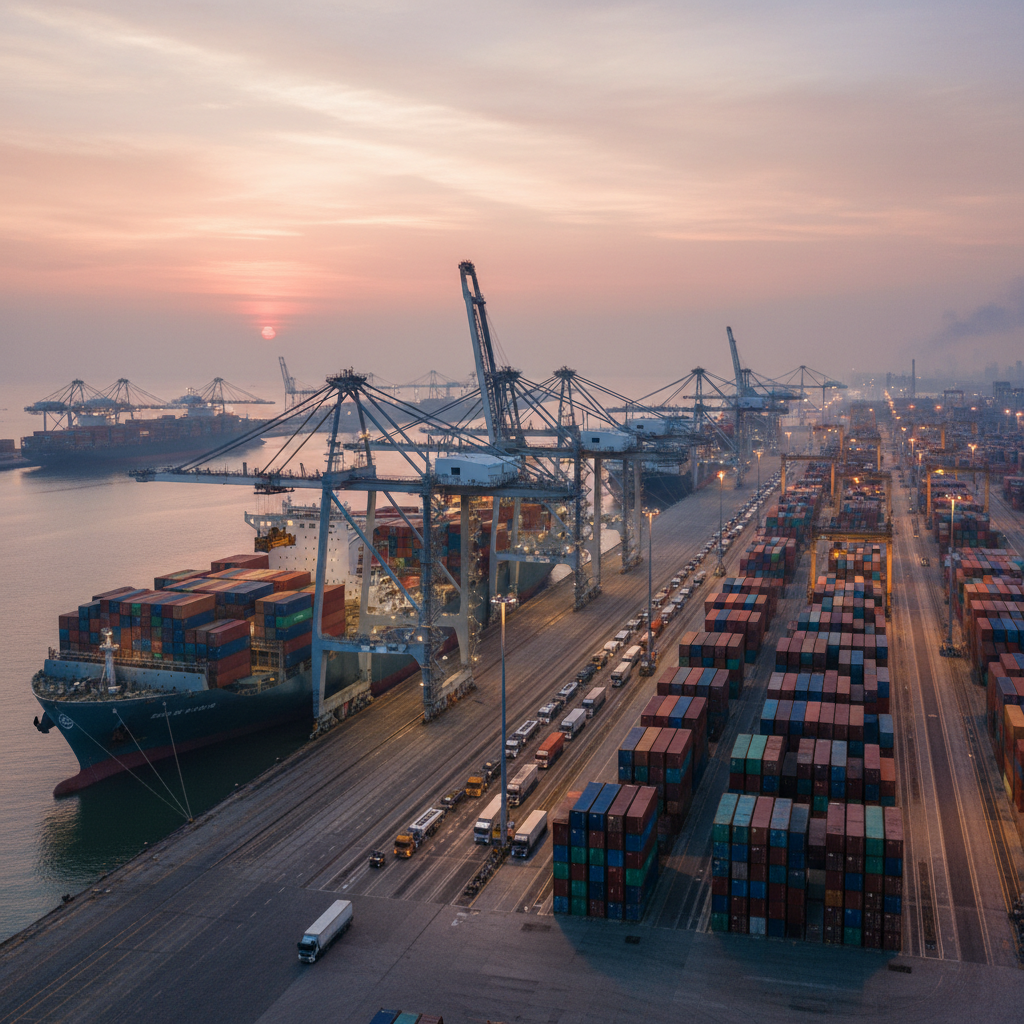
China's Sustained $1 Trillion Trade Surplus Reshapes Global Cash Flows
China's announcement of a trade surplus exceeding $1 trillion for a second consecutive year marks a significant financial event with far-reaching implications for global commerce and national economies. This sustained level of surplus represents an extraordinary accumulation of foreign currency, directly impacting China's national cash flow. For businesses operating within or trading with China, this translates into a robust economic environment, characterized by substantial liquidity and potential for domestic investment. The sheer scale of this cash inflow provides the Chinese economy with considerable financial flexibility, influencing everything from infrastructure development to strategic global investments. It also suggests a strong underlying economic structure capable of generating and retaining wealth on an immense scale.
From a financial perspective, such a large and consistent surplus can contribute to the stability of the Chinese yuan, making imports potentially more affordable for Chinese businesses and consumers, while exports remain highly competitive. This dynamic affects the cost structures for companies sourcing goods from China and the revenue potential for those selling into the Chinese market. The ability to generate over $1 trillion in net trade income annually underscores a powerful economic engine, capable of influencing global financial markets and trade balances. Business leaders must consider how this sustained cash generation impacts global capital flows, commodity prices, and the competitive landscape for manufacturing and services worldwide. The consistent accumulation of foreign exchange reserves provides a buffer against external economic shocks and supports long-term economic planning, offering a degree of resilience in an uncertain global economy.
The 35% Export Surge Fuels Unprecedented Revenue Growth
The reported 35% surge in exports is a direct indicator of substantial revenue optimization for Chinese businesses. This growth rate signifies a dramatic increase in sales volumes and market penetration for a wide array of goods. For companies engaged in exporting, this translates into expanded market share and enhanced profitability, assuming cost structures remained stable or improved. Such a rapid expansion in export revenue suggests strong global demand for Chinese products, competitive pricing strategies, or a combination of both. It also points to the capacity of Chinese manufacturing and logistics to scale up production and delivery to meet elevated international orders.
This export performance has direct implications for the growth trajectories of countless enterprises within China. Businesses that have capitalized on this surge are likely experiencing significant top-line expansion, which can be reinvested into further capacity, research and development, or market diversification. For international businesses, this export growth highlights the continued importance of China as a global manufacturing hub and a source of competitively priced goods. Understanding the drivers behind this 35% increase – whether it's specific product categories, technological advancements, or supply chain efficiencies – is crucial for strategic planning. It underscores the ongoing ability of Chinese firms to capture and expand their share of global trade, generating substantial financial returns and driving economic expansion.
Operational Strengths Underpin China's Export Dominance
The sustained $1 trillion trade surplus and the 35% export surge are not merely financial outcomes; they are deeply rooted in underlying operational strengths. Such consistent performance points to highly efficient manufacturing processes, robust supply chain management, and effective cost control mechanisms within Chinese industries. These operational capabilities allow businesses to produce goods at competitive prices and deliver them reliably to global markets, which is a fundamental requirement for achieving and maintaining high export volumes. The ability to scale production rapidly while managing costs effectively is a key differentiator, enabling Chinese exporters to meet fluctuating international demand and maintain their competitive edge.
Operational efficiency contributes directly to higher margins on exported goods, even in competitive markets. This efficiency can stem from advanced automation, optimized logistics networks, or a skilled workforce capable of high-volume production. For business leaders, this performance serves as a case study in how operational excellence translates into significant financial value. It suggests that Chinese enterprises have successfully optimized their production cycles, reduced waste, and streamlined their distribution channels. These operational advantages are instrumental in sustaining a large trade surplus and driving substantial revenue growth, creating a powerful feedback loop where efficiency enables growth, and growth allows for further investment in operational improvements. The consistent delivery of value through efficient operations is a core driver of China's enduring export success.
China's Enduring Export Strength
China's achievement of a $1 trillion trade surplus for a second consecutive year, alongside a 35% export surge, demonstrates a powerful combination of national economic strength and operational effectiveness. This performance generates substantial cash inflows for the nation and drives significant revenue growth for its exporting businesses. The underlying operational efficiencies and competitive cost structures enable Chinese enterprises to maintain their global market position, influencing international trade patterns and supply chain strategies. This sustained export dominance will continue to shape global economic dynamics and business opportunities for the foreseeable future.
Source: ABC News Business — https://abcnews.com/Business/wireStory/chinas-trade-surplus-surpasses-1-trillion-2nd-straight-137999887