
2026 Outlook: Weather's Escalating Impact on Global Cargo Flows and Supply Chain Resilience
As we approach 2026, the increasing frequency and intensity of extreme weather events present a formidable challenge to global cargo movement. This MGS Insight brief analyzes how these unpredictable forces are disrupting critical shipping lanes, logistics facilities, and all modes of transport, offering strategic advice for shippers and highlighting the indispensable role of advanced shipment visibility in mitigating future risks.
The Unpredictable Force: Weather's Growing Impact on Global Cargo Movement
The global supply chain, a complex web of interconnected nodes and pathways, faces an ever-evolving array of challenges. Among the most persistent and increasingly severe are those stemming from weather phenomena. As we look towards 2026, the frequency and intensity of extreme weather events are not merely isolated incidents but are becoming a systemic factor in logistics planning and execution. From prolonged droughts impacting inland waterways to superstorms disrupting major maritime routes, the climate's unpredictability introduces significant volatility into cargo movement. This shift demands a fundamental re-evaluation of traditional supply chain strategies, moving beyond reactive measures to embrace proactive resilience. The economic ramifications are substantial, encompassing increased operational costs, extended lead times, potential cargo damage, and ultimately, a direct impact on customer satisfaction and market competitiveness. Understanding the specific vulnerabilities across different modes and regions is the first step towards building a more robust and weather-resilient supply chain.
Key Lanes Under Pressure
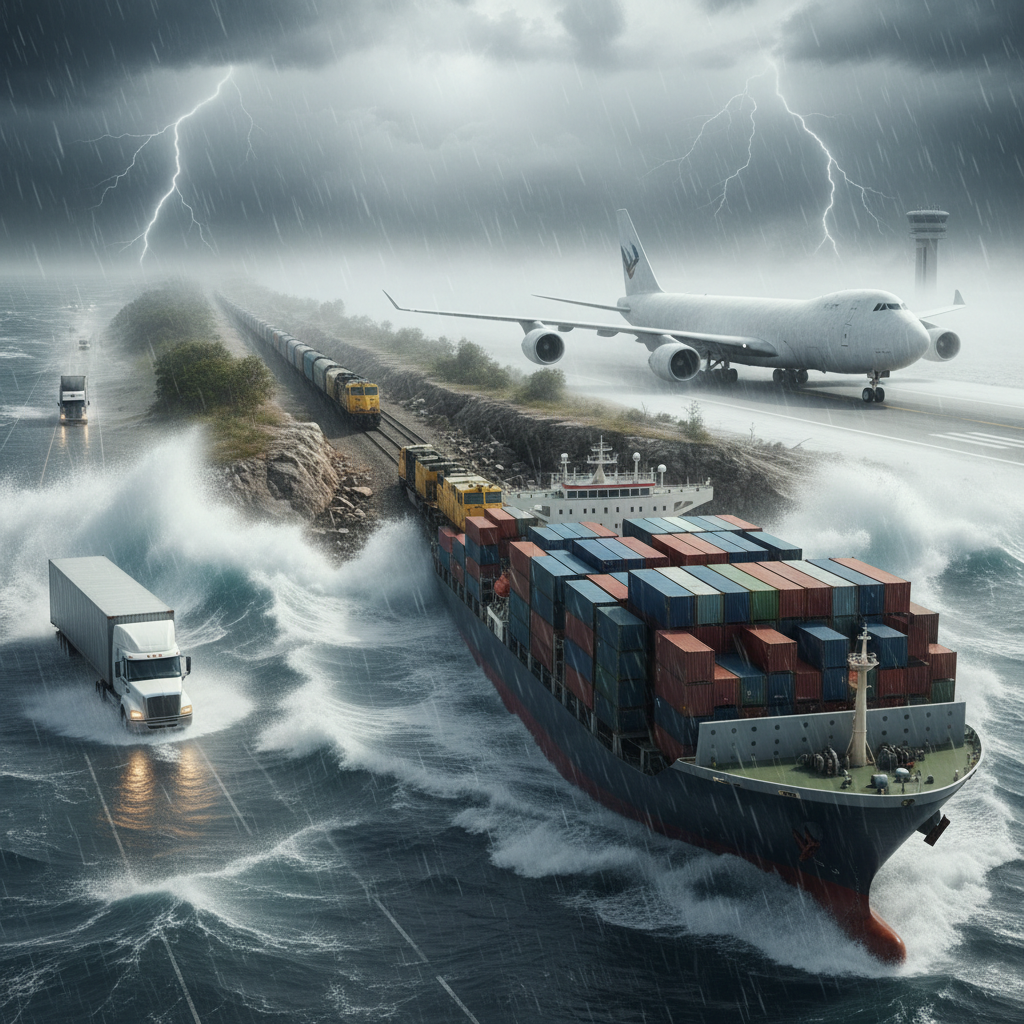
Weather's influence on transportation lanes is multifaceted and pervasive. Ocean shipping, the backbone of global trade, is particularly susceptible. Hurricanes, typhoons, and severe storms in critical oceanic regions force vessels to reroute, adding days or even weeks to transit times and significantly increasing fuel consumption. Dense fog can lead to widespread delays and closures in busy straits and coastal areas, creating bottlenecks that ripple through schedules. Even seemingly minor weather shifts, like stronger head- or cross-currents, can impact vessel speed and fuel efficiency over long distances. Air freight, while offering speed, is equally vulnerable. Thunderstorms, blizzards, high winds, and even volcanic ash clouds can lead to flight cancellations, diversions, and air traffic control restrictions, grounding valuable cargo and disrupting time-sensitive deliveries. On land, road networks are frequently compromised by heavy snowfall, ice, flooding, or extreme heat that can buckle pavement, making routes impassable or unsafe for truck drivers. Rail lines face similar threats, with washouts from torrential rains, landslides, or heat-induced track expansion causing service suspensions and extensive delays, particularly for bulk commodities and intermodal transfers across vast geographical expanses.
Facilities Facing the Brunt
Beyond the transit lanes, critical logistics facilities are directly exposed to the impacts of adverse weather. Ports, as vital gateways for international trade, are highly vulnerable. Storm surges and high winds can necessitate port closures, preventing vessels from docking or departing, and causing significant damage to infrastructure such as cranes, berths, and container stacks. Even after a storm passes, congestion can persist for days or weeks as operations struggle to clear backlogs. Airports face similar challenges, with runways becoming inoperable due to heavy snow, ice, or flooding, leading to widespread flight disruptions. Ground operations, including cargo loading and unloading, can be halted by high winds or lightning, creating significant delays and safety risks. Inland, warehouses and distribution centers are not immune. Flooding can damage inventory and infrastructure, power outages disrupt automated systems, and access road closures can prevent inbound and outbound shipments, paralyzing last-mile delivery capabilities. Intermodal hubs, designed for seamless transfer between transport modes, become critical bottlenecks when one or more connecting modes are disrupted by weather, leading to cascading delays across the entire network.
Multi-Modal Vulnerabilities
The interconnected nature of modern supply chains means that weather disruptions in one mode invariably affect others, creating a complex web of multi-modal vulnerabilities. A severe storm closing a major port can lead to a surge in demand for air freight, straining capacity and driving up costs. Conversely, widespread flight cancellations can push cargo onto road or rail, overwhelming land-based infrastructure already struggling with its own weather-related issues. Maritime diversions around storm systems mean longer transit times, impacting inventory levels and production schedules further down the chain. Air freight delays result in cargo backlogs at airports, potentially leading to missed connections and extended delivery windows. Road transport faces delivery delays, increased fuel consumption due to detours, and heightened safety concerns for drivers, particularly when transporting perishable goods or time-critical components. Rail freight, often used for heavy or bulk cargo, experiences service suspensions and rerouting, affecting industries reliant on consistent material flows. This domino effect underscores the need for a holistic view of supply chain resilience, recognizing that a disruption in any single mode can quickly propagate throughout the entire logistics ecosystem.
Proactive Strategies for Shippers
In the face of escalating weather-related risks, shippers must move beyond traditional contingency planning to adopt more proactive and integrated strategies. The first step involves robust risk assessment and scenario planning, identifying the most vulnerable lanes, facilities, and modes within their specific supply chain footprint. This intelligence allows for the development of diversified strategies, including establishing multiple suppliers, carriers, and alternative routes for critical goods. Strategic inventory management, incorporating buffer stocks at key geographical locations, can help absorb short-term shocks and prevent production stoppages. Enhanced communication protocols with all supply chain partners—from suppliers to carriers to last-mile delivery providers—are crucial for rapid information exchange and coordinated response during disruptions. Furthermore, embracing advanced technology, particularly predictive analytics and real-time data platforms, is no longer a luxury but a necessity. These tools provide the foresight needed to anticipate potential weather impacts and inform agile decision-making, transforming a reactive approach into a resilient and adaptive one.
The Critical Role of Shipment Visibility
In this environment of heightened weather volatility, a comprehensive shipment-visibility control tower, like MGS, becomes an indispensable asset for shippers. Real-time tracking of shipments across all modes and geographies provides an unparalleled level of situational awareness. This visibility allows for immediate identification of cargo caught in or approaching adverse weather zones. Crucially, MGS platforms integrate meteorological data with shipment data, offering early warning systems for impending weather events that could impact specific routes or facilities. This predictive capability enables dynamic re-routing decisions to be made proactively, before cargo is stranded or delayed. When disruptions do occur, the platform provides instant impact analysis, pinpointing exactly which shipments are affected, quantifying potential delays, and assessing the ripple effects across the entire supply chain. This empowers shippers to communicate proactively and accurately with customers about expected delivery changes, managing expectations and preserving trust. By consolidating data, providing actionable insights, and facilitating rapid response, MGS platforms equip shippers with the intelligence and agility needed to navigate the unpredictable forces of weather and maintain continuity in their global cargo movements.
Source: gCaptain — https://gcaptain.com/maersk-hapag-lloyd-accelerate-return-to-suez-despite-red-sea-risks/