
Geopolitical Storm in Hormuz: Unpacking the Supply Chain Fallout as Tanker Rates Soar
The escalating conflict in the Strait of Hormuz has propelled oil tanker rates past $1 million a day, creating unprecedented challenges for global supply chains. This brief analyzes the immediate and long-term implications, identifying affected lanes, modes, and facilities, and outlining strategic responses for shippers leveraging advanced visibility platforms.
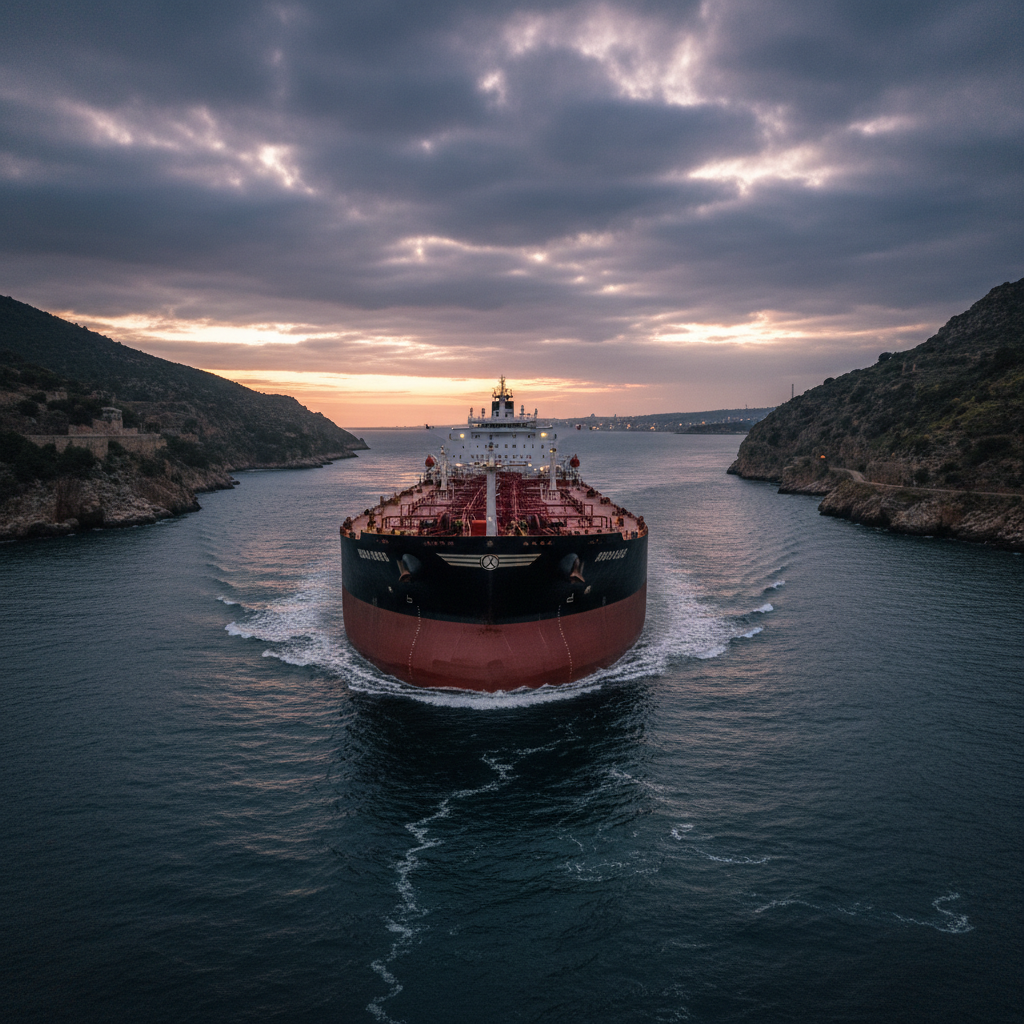
The Geopolitical Storm and Its Immediate Impact
The global supply chain landscape is perpetually subject to a myriad of disruptions, from natural disasters to economic shifts. However, geopolitical conflicts introduce a unique layer of complexity and volatility, often with immediate and severe consequences. The ongoing situation in the Strait of Hormuz, fueled by an escalating Iran war, serves as a stark reminder of this vulnerability. This critical maritime choke point, essential for a significant portion of the world's oil trade, has become a focal point of heightened risk. The direct consequence has been a dramatic surge in shipping costs, particularly for oil tankers. For the first time, the industry’s benchmark trade route has seen the cost of hiring an oil tanker exceed $1 million a day. This unprecedented rate reflects not just increased operational costs, but a profound shift in risk perception, as fewer vessels are willing to traverse the Strait to collect vital cargoes. The ripple effect extends beyond the immediate financial burden, signaling potential instability for energy markets and, by extension, the broader global economy.
Critical Lanes, Affected Modes, and Facility Pressures
The Strait of Hormuz is arguably the world's most critical oil transit chokepoint. Its strategic importance means that any disruption there has outsized global implications. The primary mode of transport affected by the current conflict is, unequivocally, oil tankers. These vessels, ranging from Aframaxes to VLCCs, are the arteries of global energy supply, and their hindered movement directly impacts nations reliant on Middle Eastern oil. The reluctance of shipowners and operators to risk their assets and crews in a conflict zone leads to a scarcity of available vessels, driving up the daily hire rates to extraordinary levels. Beyond the vessels themselves, the conflict places immense pressure on associated facilities. Oil terminals and ports within the Persian Gulf, which rely on the Strait for access to international waters, face reduced throughput and increased operational uncertainty. Shippers and charterers must contend with potential delays, rerouting requirements, and the added cost of securing adequate insurance coverage for voyages through what is now considered a high-risk area. This dynamic creates a bottleneck that can quickly cascade through the entire energy supply chain.
Broader Supply Chain Ripple Effects
The immediate impact on oil tanker rates is just the tip of the iceberg. The disruption in the Strait of Hormuz sends profound ripple effects across the entire global supply chain. Firstly, increased crude oil prices, driven by supply uncertainty and higher transport costs, directly translate into elevated fuel expenses for all modes of transportation – air, sea, and land freight. This inflationary pressure impacts manufacturing costs, as energy is a fundamental input for most industrial processes. Consequently, consumer prices for a vast array of goods are likely to rise, affecting household budgets and potentially dampening economic growth. Secondly, the focus on oil transport can strain overall logistics networks. As vessels are diverted or delayed, port congestion in alternative hubs could increase, leading to longer lead times and further supply chain inefficiencies for non-oil cargo. Furthermore, the heightened geopolitical risk in one region can trigger a re-evaluation of risk profiles in other strategic maritime passages, potentially leading to increased insurance premiums and security costs across the board. Manufacturers and retailers, particularly those with complex global networks, must brace for potential delays, stockouts, and the need to re-evaluate their sourcing and distribution strategies.
Strategic Imperatives for Shippers
In an environment characterized by such acute geopolitical risk, shippers must adopt proactive and resilient strategies. The first imperative is comprehensive risk assessment and scenario planning. Understanding the potential impact of disruptions at critical chokepoints like the Strait of Hormuz allows for the development of contingency plans, including alternative routing options and backup carrier agreements. Diversifying carrier portfolios and avoiding over-reliance on a single shipping line or route becomes paramount. This flexibility can mitigate the impact of sudden capacity shortages or prohibitive rates in specific lanes. Furthermore, optimizing inventory management is crucial. While just-in-time (JIT) strategies aim for efficiency, volatile environments may necessitate a re-evaluation towards a 'just-in-case' approach, building strategic buffers to absorb unexpected delays without halting production or sales. Engaging in closer collaboration with logistics partners, freight forwarders, and suppliers is also vital. Transparent communication and shared intelligence can enable faster, more coordinated responses to evolving threats. Ultimately, the goal is to build an agile supply chain that can pivot quickly in response to unforeseen geopolitical events, minimizing financial exposure and maintaining continuity of operations.
The MGS Advantage: Navigating Disruption with Visibility
In times of extreme volatility, a robust shipment-visibility control tower platform like MGS becomes an indispensable asset for shippers. MGS provides real-time, end-to-end visibility into cargo movements, offering a single source of truth for all shipments. This is critical when navigating high-risk zones such as the Strait of Hormuz. With MGS, shippers can track the precise location and status of their oil tankers and other cargo, receiving immediate alerts for deviations, delays, or rerouting. This proactive intelligence allows for rapid decision-making, enabling shippers to communicate with downstream partners, adjust production schedules, or activate contingency plans before a minor delay escalates into a major disruption. Furthermore, MGS's predictive analytics capabilities can forecast potential impacts of geopolitical events, helping shippers anticipate future bottlenecks or rate fluctuations. By consolidating data from multiple carriers, modes, and geographies, MGS empowers supply chain analysts to conduct comprehensive risk assessments, evaluate carrier performance in challenging conditions, and model the financial and operational implications of various scenarios. In essence, an MGS control tower transforms raw data into actionable insights, providing the clarity and control needed to navigate the complex and often unpredictable currents of global trade, even amidst a geopolitical storm that pushes tanker rates to over $1 million a day.
Source: gCaptain — https://gcaptain.com/oil-tanker-rates-top-1-million-a-day-as-hormuz-war-squeezes-fleet/