
Weathering the Storm: Navigating Supply Chain Disruptions in an Era of Climate Volatility
Unpredictable weather patterns are increasingly challenging global cargo movement. This brief explores how extreme weather impacts critical lanes, facilities, and modes, and outlines proactive strategies shippers can employ to maintain resilience and visibility.
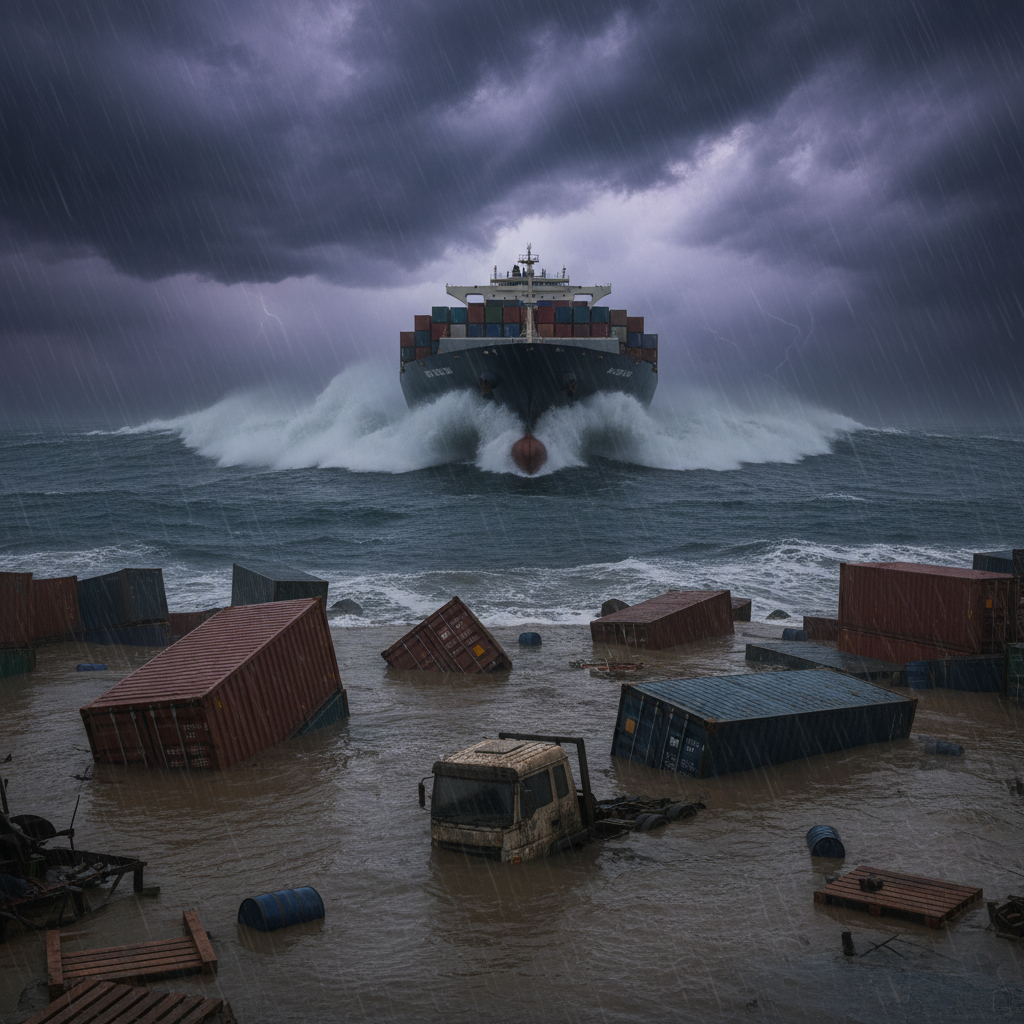
The Growing Threat of Weather to Global Logistics
The intricate web of global supply chains, designed for efficiency and speed, finds itself increasingly vulnerable to the unpredictable forces of nature. As climate patterns shift, extreme weather events — from intense storms and prolonged droughts to severe cold snaps and widespread flooding — are becoming more frequent and impactful. These events do not merely cause temporary inconveniences; they fundamentally disrupt cargo movement, leading to delays, increased costs, and compromised delivery schedules across all transportation modes. For supply chain professionals, understanding these evolving risks and developing robust mitigation strategies is no longer optional but essential for maintaining operational continuity and competitive advantage.
The repercussions of weather-induced disruptions ripple through every stage of the supply chain, affecting raw material sourcing, manufacturing, and final distribution. The interconnectedness of global trade means that a weather event in one region can have cascading effects far beyond its immediate vicinity, impacting supply availability and pricing worldwide. This necessitates a comprehensive, forward-looking approach to risk management, one that leverages advanced tools and real-time data to anticipate and respond to climatic challenges.
Ocean Freight: Navigating Turbulent Waters
Ocean shipping, the backbone of international trade, is particularly susceptible to weather's wrath. Major shipping lanes, especially those traversing hurricane or typhoon zones, face frequent closures or diversions during severe weather events. This leads to extended transit times as vessels reroute, impacting delivery schedules and potentially causing bottlenecks at destination ports. Furthermore, extreme sea conditions can necessitate slower speeds for safety, further delaying cargo and consuming more fuel.
Port facilities, critical nodes in maritime logistics, are also highly vulnerable. Coastal storms, high winds, and storm surges can force port closures, halting vessel operations, container handling, and inland transport connections. Infrastructure damage, such as to cranes, docks, or storage areas, can render parts of a port inoperable for extended periods. Even without direct damage, heavy rainfall can flood access roads, impede yard operations, and slow down customs processing, creating significant backlogs. Shippers relying on these facilities must contend with cargo stranded at sea or in port, incurring demurrage and detention charges, and facing the challenge of re-booking on already constrained services.
Air Cargo: Battling Atmospheric Challenges
While often perceived as a faster and more resilient mode, air cargo is far from immune to weather disruptions. Severe weather phenomena like blizzards, dense fog, thunderstorms, and volcanic ash clouds can lead to widespread flight cancellations and diversions. These events can ground entire fleets, causing significant backlogs of high-value or time-sensitive cargo. Airports, like ports, can also suffer operational impairments due to heavy snowfall impacting runways, or high winds making take-offs and landings unsafe.
The impact on air cargo extends beyond just flight delays. When flights are cancelled, cargo often needs to be offloaded and re-booked, a process that can take days, especially during peak seasons or when capacity is already tight. This not only delays delivery but can also compromise the integrity of temperature-sensitive goods or critical components with short shelf lives. The ripple effect can disrupt manufacturing schedules reliant on just-in-time air freight deliveries, leading to production halts and financial losses.
Inland Transportation: Grounding Operations
Road and rail networks, essential for first and last-mile delivery, face their own set of weather-related challenges. Heavy snowfall can make roads impassable, leading to truck delays or complete stoppages, particularly in mountainous regions or areas unprepared for such conditions. Flooding, whether from heavy rains or overflowing rivers, can submerge roads and rail lines, severing critical land links and isolating communities or industrial zones. Ice storms can create treacherous driving conditions, increasing accident risks and slowing down freight movement significantly.
Extreme heat, while less immediately disruptive than storms, can also impact inland transport. High temperatures can cause road surfaces to buckle, leading to closures for repairs, and can impose speed restrictions on rail lines to prevent track warping. These conditions also affect driver health and vehicle performance, potentially leading to breakdowns and further delays. For shippers, disruptions to inland transportation mean delays in reaching distribution centers or end customers, impacting inventory levels and customer satisfaction.
Proactive Strategies for Shippers: Building Resilience
In the face of increasing weather volatility, shippers must adopt proactive strategies to build resilience into their supply chains. The first step involves comprehensive risk assessment, identifying critical lanes, facilities, and modes most susceptible to specific weather events. This includes analyzing historical weather data alongside current climate projections to anticipate potential hotspots and periods of heightened risk.
Diversification of routes and modes is a key mitigation strategy. Relying on a single shipping lane or transportation method increases vulnerability. By having alternative routes, ports, or carriers pre-approved and ready, shippers can pivot quickly when primary options are compromised. Building buffer stock at strategic locations can also cushion the impact of delays, ensuring that production lines or customer orders are not immediately affected.
Furthermore, investing in robust packaging and cargo protection is crucial, especially for goods exposed to varying temperatures or moisture during prolonged delays. Collaborating closely with logistics partners – carriers, freight forwarders, and warehousing providers – to understand their weather preparedness plans and capabilities is also vital. This includes discussing contingency plans, communication protocols during disruptions, and their ability to scale resources in response to emergencies.
The Indispensable Role of Shipment Visibility Platforms
For shippers navigating a landscape increasingly shaped by weather disruptions, a shipment-visibility control tower platform like MGS is an invaluable asset. Such a platform provides real-time, end-to-end visibility into cargo movement across all modes and geographies. This means shippers can monitor the precise location and status of their shipments, even as they contend with dynamic weather events.
When a storm approaches or a port closes, an MGS platform can immediately alert shippers to potential impacts on their specific cargo. By integrating weather data feeds with shipment tracking, it can predict delays, identify alternative routes, and suggest re-routing options proactively. This real-time intelligence empowers shippers to make informed decisions swiftly, whether it's diverting a vessel, re-booking air freight, or adjusting inland delivery schedules. The ability to see potential disruptions before they fully materialize allows for pre-emptive action, minimizing the financial and operational fallout. Moreover, by centralizing communication and data, MGS enhances collaboration with logistics partners, ensuring everyone operates from a single, accurate source of truth during critical periods, ultimately fostering greater supply chain resilience in an unpredictable world.
Source: The Maritime Executive — https://maritime-executive.com/article/strike-damage-confirmed-at-giant-saudi-refinery-complex