
Weathering the Storm: Navigating Climate Volatility in Global Cargo Movement
Extreme weather events are increasingly disrupting global supply chains. This brief analyzes how various weather phenomena impact critical cargo lanes, facilities, and modes of transport, and outlines proactive strategies shippers can adopt, leveraging advanced visibility platforms like MGS to build more resilient logistics networks.
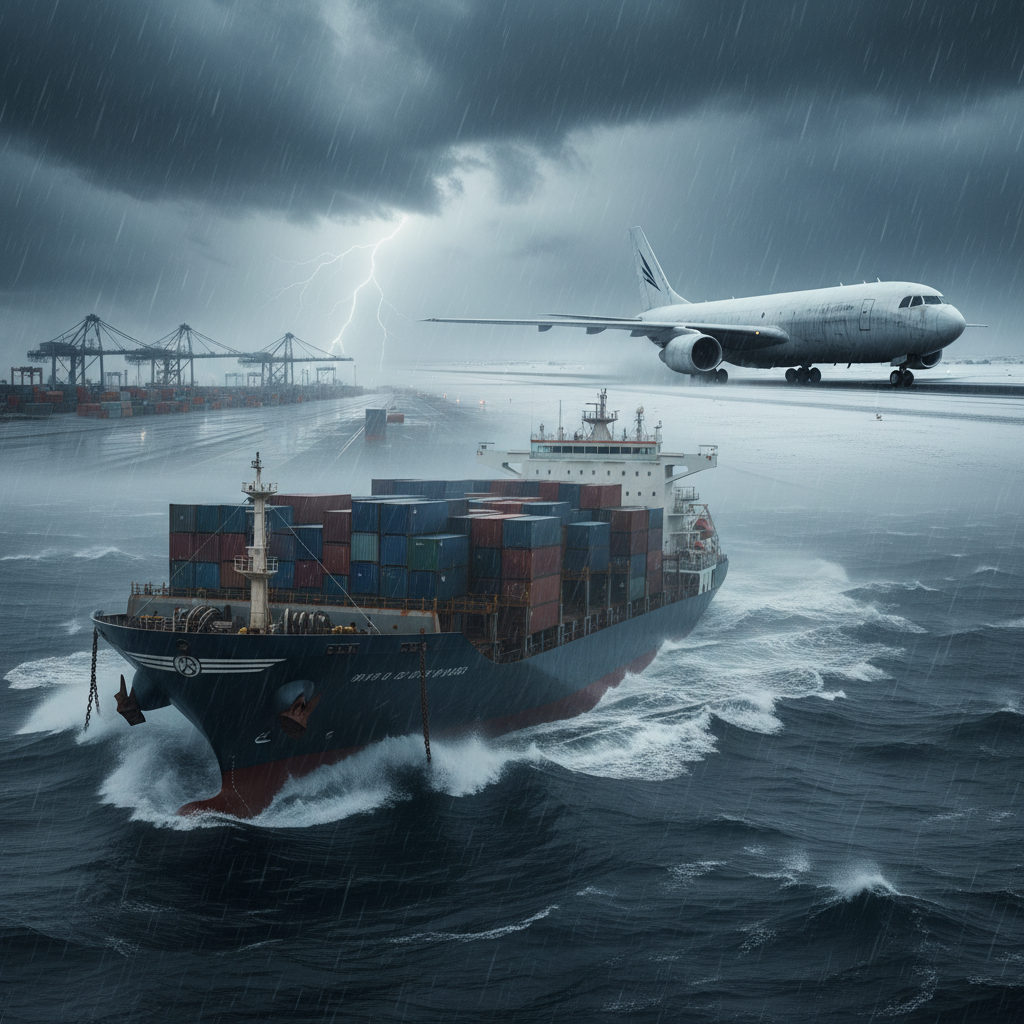
The Unpredictable Force: Weather's Growing Influence on Global Logistics
Weather events are no longer isolated incidents but increasingly persistent forces reshaping the global supply chain landscape. From sudden, intense storms to prolonged extreme temperatures, climate volatility presents significant challenges to the seamless movement of goods. For supply chain professionals, understanding and mitigating these disruptions is paramount to maintaining operational continuity and meeting customer expectations. This brief delves into how various weather phenomena impact critical cargo lanes, facilities, and modes of transport, and outlines proactive strategies shippers can adopt, leveraging advanced visibility platforms to build more resilient logistics networks. The unpredictability of these events necessitates a shift from reactive problem-solving to predictive risk management, ensuring that goods can navigate even the most turbulent conditions.
Critical Lanes and Facilities Under Threat
The arteries of global trade are particularly vulnerable to meteorological shifts. Major maritime shipping lanes, such as those traversing the North Atlantic, the Pacific Ocean, or approaches to critical chokepoints like the Suez and Panama Canals, frequently encounter hurricanes, typhoons, dense fog, or treacherous ice formations. These conditions lead to vessel diversions, port closures, and significant congestion at key hubs, exemplified by the recurring impact on Gulf Coast ports during hurricane season or East Asian ports during typhoon periods. Air cargo operations face similar challenges; major air hubs like Chicago O'Hare, Frankfurt, or Hong Kong can experience widespread flight cancellations, diversions, and ground delays due to heavy snowstorms, high winds, or even volcanic ash clouds. On land, critical highway corridors and transcontinental rail lines, particularly in North America and Europe, are susceptible to blizzards, flash floods, extreme heatwaves causing track buckling, or landslides. These events can trigger bridge closures, track damage, and necessitate reduced speed limits, creating bottlenecks far from the initial point of impact. Furthermore, localized weather events like urban flooding or prolonged power outages can cripple last-mile delivery networks and disrupt operations at distribution centers and warehouses, creating a ripple effect across the entire supply chain.
Modes of Transport: Specific Vulnerabilities
Each mode of transport exhibits unique vulnerabilities to adverse weather. Ocean freight is perhaps the most visibly affected, with vessels enduring rough seas that can cause cargo damage, require extensive re-routing, or force port omissions, thereby extending transit times and eroding schedule reliability. Increased fuel consumption due to longer routes or battling headwinds also impacts operational costs. Air freight, while often chosen for its speed, is highly sensitive to atmospheric conditions. High winds can prevent take-offs or landings, while heavy snowfall necessitates lengthy de-icing procedures. Extreme heat can reduce aircraft lift capacity, leading to payload restrictions or flight cancellations, especially for time-sensitive or temperature-controlled shipments. Road freight, the backbone of last-mile delivery, is severely hampered by hazardous driving conditions, including icy roads, heavy rain, or dense fog, which increase accident risks and often lead to road closures. Extreme temperatures can also cause vehicle breakdowns or necessitate driver hour restrictions for safety. Rail freight, while robust, is not immune; tracks can buckle under extreme heat, signals can fail in severe cold, and landslides can render lines impassable. Speed restrictions become common, leading to significant delays for bulk commodities and intermodal containers alike.
Proactive Strategies for Shippers
In the face of escalating weather volatility, shippers must adopt a proactive, multi-faceted approach to supply chain resilience. One critical strategy is diversification, encompassing both multi-modal and multi-lane options. Relying on a single transport mode or a single route increases exposure to disruption. By pre-qualifying alternative carriers, routes, and modes (e.g., shifting from ocean to air for urgent cargo, or from road to rail for longer hauls), shippers can build redundancy into their networks. Strategic inventory management also plays a role, with buffer stock positioned at key regional hubs to absorb short-term disruptions, though this must be carefully balanced against holding costs. Cultivating strong, flexible relationships with carriers and logistics partners is essential, enabling quicker access to alternative capacity and priority service during crises. Most importantly, robust contingency planning is non-negotiable. This involves developing pre-defined protocols for various weather scenarios, including alternative port calls, rerouting instructions, and emergency communication plans for all stakeholders. The ability to make data-driven decisions based on predictive weather analytics, rather than reacting to events, empowers shippers to anticipate and mitigate risks before they fully materialize.
MGS Control Tower: Enhancing Resilience and Visibility
This is where a sophisticated shipment-visibility control tower, like MGS, becomes an indispensable asset. At its core, MGS provides real-time tracking of cargo across all modes and geographies, offering immediate updates on location and status, even as disruptions unfold. This granular visibility allows shippers to pinpoint exactly which shipments are affected by a severe weather event. Beyond simple tracking, MGS integrates predictive analytics with advanced weather overlays, enabling the platform to forecast potential delays and impacts based on incoming meteorological data. This foresight allows for proactive decision-making, such as rerouting a shipment before it enters a storm's path. Automated alerting systems proactively notify shippers of affected shipments and potential deviations from planned schedules, facilitating rapid response and communication. Furthermore, MGS supports scenario planning, allowing supply chain managers to model the impact of various weather events on their network and assess the viability of alternative routes or modes in a simulated environment. As a centralized communication hub, MGS streamlines coordination with carriers, suppliers, and customers, ensuring that all parties are informed and aligned on revised plans. Over time, the comprehensive data collected by MGS provides invaluable insights for long-term optimization, helping shippers identify recurring weather patterns, assess the resilience of different lanes, and inform strategic network design decisions to build an inherently more robust supply chain.
Conclusion: Building a Resilient Future
The increasing frequency and intensity of extreme weather events underscore a critical truth: supply chains must evolve to become inherently more resilient. The era of predictable logistics is waning, replaced by a landscape demanding agility, foresight, and robust technological support. While the challenges posed by climate volatility are substantial, they are not insurmountable. By embracing proactive strategies such as diversification, strategic partnerships, and comprehensive contingency planning, shippers can significantly mitigate risks. Ultimately, the integration of advanced shipment-visibility platforms, such as the MGS control tower, is not merely an operational enhancement but a fundamental requirement for navigating the complexities of modern global trade. These platforms empower businesses with the real-time intelligence and analytical capabilities needed to transform potential disruptions into manageable challenges, ensuring the continuous flow of goods even as the world's climate continues to shift.
Source: The Maritime Executive — https://maritime-executive.com/article/yemen-s-houthi-rebels-strike-saudi-aramco-s-ras-tanura-oil-terminal