
Weathering the Storm: Navigating Climate's Impact on Global Cargo Movement
Extreme weather events are increasingly disrupting global supply chains, impacting critical shipping lanes, logistics facilities, and all modes of transport. This brief analyzes these challenges and outlines how shippers can leverage advanced visibility platforms like MGS to build resilience and maintain operational continuity.
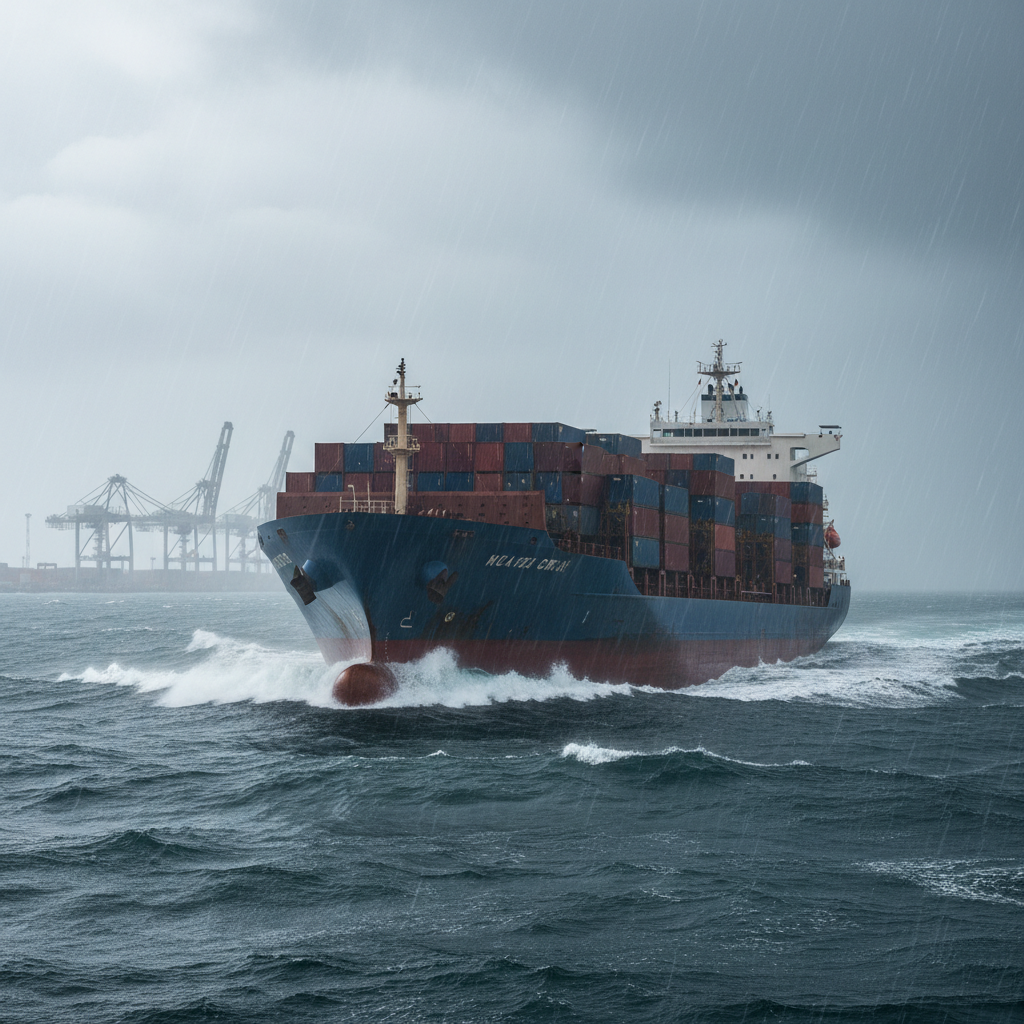
Introduction: The Unpredictable Force of Weather in Global Supply Chains
Weather events are no longer isolated incidents but a persistent, escalating challenge for global supply chains. From severe storms disrupting major shipping lanes to extreme temperatures impacting infrastructure, the variability of climate patterns is introducing unprecedented volatility into logistics operations. This brief examines how these meteorological phenomena are affecting critical transportation arteries, key facilities, and diverse modes of transport, and outlines actionable strategies shippers can employ, leveraging advanced shipment visibility platforms like MGS, to mitigate risks and enhance resilience. The imperative for businesses today is not merely to react to weather events, but to anticipate, adapt, and build robust supply chain ecosystems capable of weathering any storm.
Impact on Key Shipping Lanes and Regions
The arteries of global trade are increasingly susceptible to the whims of weather. Major ocean shipping lanes, particularly across the Atlantic and Pacific, face heightened risks from intense winter storms and hurricane/typhoon seasons. These events force vessel diversions, leading to significant delays and increased fuel consumption as ships navigate longer, safer routes. Coastal regions in Asia, for instance, routinely grapple with powerful typhoons that can bring port operations to a standstill, causing backlogs that ripple through the entire network. Similarly, European inland waterways, vital for continental cargo movement, are experiencing more frequent disruptions. Prolonged droughts can lower river levels, notably on the Rhine, forcing vessels to carry reduced loads or cease operations entirely, while severe winter conditions can lead to ice formation, blocking navigation. In North America, extreme cold snaps, heavy snowfall, and widespread flooding can paralyze road and rail networks, impacting everything from raw material transport to final-mile delivery. These regional vulnerabilities underscore the need for a dynamic understanding of weather patterns and their localized effects on specific trade routes.
Vulnerability of Facilities and Infrastructure
Beyond the open seas and long stretches of road, critical logistics infrastructure is also highly exposed. Port terminals, the gateways for international trade, are particularly vulnerable. High winds can halt crane operations, storm surges can flood container yards, and heavy rainfall can impede gate traffic, leading to massive congestion and operational delays. Airports face similar challenges; low visibility from fog or heavy precipitation, coupled with strong crosswinds, can lead to widespread flight cancellations and ground stops, stranding air cargo and causing significant backlogs. Warehouses and distribution centers, often located in industrial parks prone to flooding, can suffer direct damage, power outages, and restricted access due to impassable roads. This directly impacts inventory management, order fulfillment, and the ability to execute last-mile deliveries. Rail yards and tracks are not immune, with extreme temperatures causing rail expansion or contraction, and floods leading to track washouts or landslides, necessitating extensive repairs and rerouting. The interconnectedness of these facilities means a disruption at one point can cascade, amplifying delays and costs across the entire supply chain.
Disruption Across Transport Modes
Each mode of transport carries its unique set of weather-related risks:
- Ocean Freight: Vessels are often forced to deviate from planned routes to avoid severe weather, increasing transit times and fuel costs. Port closures due to hurricanes or typhoons can lead to significant dwell times for ships awaiting berth, disrupting carefully planned schedules and causing a ripple effect of delays at subsequent ports. Rough seas also increase the risk of cargo damage or loss, particularly for sensitive goods.
- Air Cargo: Air freight, prized for its speed, is highly susceptible to weather. Fog, snow, ice, and thunderstorms cause flight cancellations, delays, and diversions. Ground handling operations can be severely hampered, leading to cargo backlogs at airports. For time-sensitive and high-value shipments, these disruptions can have immediate and significant financial implications.
- Road Transport: Road networks are arguably the most pervasively affected. Heavy snow, ice, floods, and high winds lead to road closures, reduced speed limits, and hazardous driving conditions. This impacts driver safety, increases transit times, and raises operational costs due to slower speeds and potential detours. Last-mile delivery, especially in urban or rural areas, can become impossible, delaying critical supplies to consumers and businesses.
- Rail Freight: Rail lines can be damaged by extreme weather events like floods or landslides, requiring extensive repairs. Extreme heat can cause tracks to buckle, necessitating slow orders, while heavy snow and ice can impede train movement and cause signal failures. Delays at intermodal hubs, where cargo transfers between rail and other modes, can exacerbate overall supply chain bottlenecks.
Strategies for Shippers in a Volatile Climate
To navigate this increasingly volatile environment, shippers must adopt proactive and resilient strategies:
- Proactive Planning and Diversification: Develop robust contingency plans that include alternative routing options for all modes. This might involve identifying secondary ports, airports, or rail hubs that can be utilized during disruptions. For critical lanes, consider multi-modal strategies, such as shifting from ocean to air for urgent shipments, or from rail to road for shorter distances, when weather threatens. Building buffer stock strategically at regional distribution centers can also cushion the impact of transit delays.
- Leverage Predictive Weather Analytics: Integrate advanced weather forecasting into supply chain planning. This moves beyond basic weather reports to detailed, localized predictions that can inform decisions on departure times, route optimization, and resource allocation. Understanding potential impacts days or even weeks in advance allows for pre-emptive action.
- Enhanced Communication and Collaboration: Foster strong communication channels with carriers, freight forwarders, and logistics partners. Timely information sharing about impending weather events and their potential impact is crucial. Establish clear protocols for communication during disruptions, ensuring all stakeholders are aware of revised schedules, alternative plans, and expected recovery times.
- Build Supply Chain Resilience: This involves a broader strategic approach, including diversifying sourcing locations to reduce reliance on single regions prone to specific weather events. Regular risk assessments should identify critical vulnerabilities in the supply chain and inform investments in infrastructure hardening or alternative logistics solutions.
The MGS Advantage: Navigating Weather-Induced Disruptions
In an era defined by climatic uncertainty, a sophisticated shipment-visibility control tower platform like MGS becomes an indispensable asset for shippers. MGS provides the real-time intelligence and analytical capabilities needed to transform reactive responses into proactive resilience.
- Real-time Visibility Across All Modes: MGS offers end-to-end visibility, tracking shipments across ocean, air, road, and rail, even as routes change due to weather. This means knowing exactly where cargo is, regardless of diversions or delays, enabling immediate assessment of impact.
- Integrated Weather Overlays and Predictive Analytics: By integrating granular, localized weather data directly onto the shipment tracking interface, MGS can provide predictive insights. Shippers can visualize approaching storms, assess their potential impact on specific routes or facilities, and receive automated alerts for shipments at risk. This allows for proactive adjustments to schedules or routes before disruptions fully materialize.
- Proactive Alerts and Notifications: The platform can be configured to issue automated alerts based on predefined weather thresholds or predicted impacts on specific lanes or facilities. This ensures that relevant teams are immediately informed of potential issues, enabling rapid decision-making.
- Scenario Planning and Impact Assessment: MGS tools allow shippers to model different disruption scenarios. For example, if a port is projected to close, MGS can help assess the impact on downstream connections, evaluate alternative port options, and estimate revised ETAs for all affected shipments. This capability is crucial for making informed, data-driven decisions under pressure.
- Enhanced Stakeholder Communication: A centralized MGS platform serves as a single source of truth for all supply chain partners. This streamlines communication, ensures everyone is working with the most current information, and facilitates collaborative problem-solving, reducing confusion and accelerating recovery efforts.
- Faster Recovery and Operational Agility: By providing comprehensive visibility and predictive insights, MGS empowers shippers to react swiftly and strategically to weather events. This agility minimizes delays, reduces costs associated with disruptions, and ultimately enhances customer satisfaction by maintaining reliable delivery expectations even in challenging conditions.
Source: Hellenic Shipping News — https://www.hellenicshippingnews.com/three-tanker-incidents-reported-in-hormuz-strait-in-24-hours-ukmto/