
Weathering the Storm: How Climate Volatility is Reshaping Global Supply Chains and What Shippers Can Do
Extreme weather events are increasingly disrupting global cargo movement, from critical maritime lanes like the Panama Canal to inland facilities. This brief examines the widespread impacts and outlines strategic recommendations for shippers to build resilience through enhanced visibility and proactive planning.
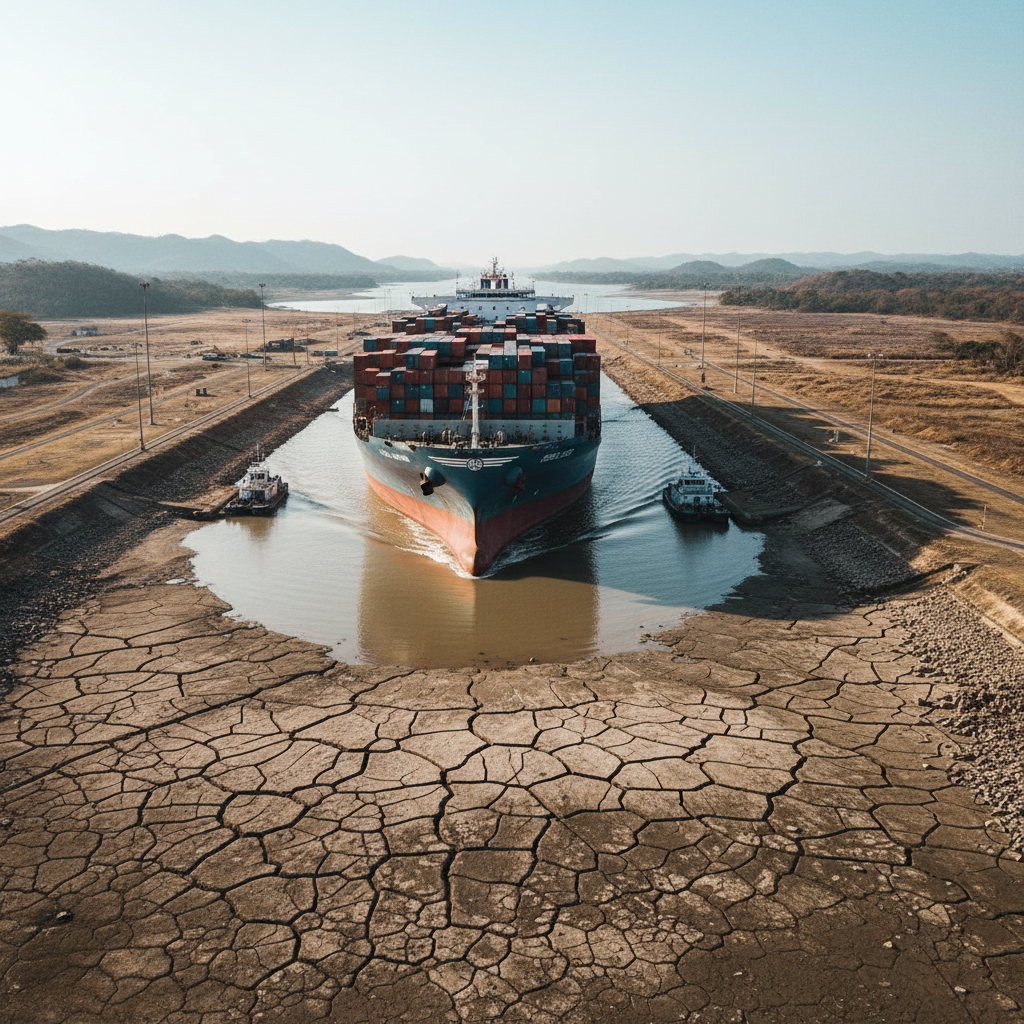
Overview of Current Weather Disruptions
Global supply chains are currently facing an unprecedented era of climate volatility, where extreme weather events are no longer isolated incidents but rather systemic challenges impacting the predictability and efficiency of cargo movement. From prolonged droughts to intense storms, these phenomena are creating a complex web of disruptions across all modes of transport and critical logistics infrastructure. The increasing frequency and severity of these events demand a fundamental shift in how supply chain professionals plan, monitor, and react to potential interruptions.
One of the most critical chokepoints susceptible to these climate-induced pressures is the Panama Canal. As Engineer Ilya Espino de Marotta took office as Administrator for the 2026–2033 term, the focus on the Canal's long-term operational resilience, particularly against environmental factors, remains paramount. Droughts, for instance, can significantly reduce water levels in the Canal's Gatun Lake, a vital component of its lock system, leading to restrictions on vessel draft and daily transits. Conversely, severe tropical storms can bring torrential rains and high winds, posing risks to navigation and potentially causing landslides that affect access routes or operational continuity. These weather patterns introduce significant uncertainty into global trade, necessitating advanced strategies for mitigation and adaptation.
Impact on Key Shipping Lanes and Facilities
The repercussions of adverse weather extend across major shipping lanes and critical logistics facilities, creating bottlenecks and cascading delays throughout the supply chain.
Panama Canal: This vital interoceanic waterway is particularly vulnerable. Persistent droughts can lead to significant draft restrictions, forcing vessels to carry lighter loads or reroute entirely, often via the longer and more costly Cape of Good Hope or Suez Canal routes. This directly impacts transit times, fuel consumption, and overall freight costs. Reduced daily transit slots due to water conservation measures also exacerbate congestion, leading to extensive vessel queues and unpredictable delays. The operational stability of the Canal, especially under its new administration from 2026, is a key concern for global shippers.
Other Maritime Lanes: Beyond the Canal, major oceanic routes are routinely affected. Severe storms in the North Atlantic and Pacific can cause significant delays, force vessels to alter course, or even lead to port closures. Fog can halt pilotage services, delaying vessel entry and departure from ports, while high winds can make berthing impossible and suspend crane operations, preventing cargo loading and unloading.
Port Facilities: Onshore, port terminals are highly susceptible to weather. High winds can prevent container cranes from operating, heavy rainfall can flood storage areas and disrupt internal traffic flow, and extreme temperatures can impact equipment performance and worker safety. These disruptions at the port level create backlogs that ripple outwards, affecting both inbound and outbound cargo flows.
Inland Logistics Hubs: Further inland, warehouses, intermodal rail yards, and distribution centers are not immune. Flooding can render facilities inaccessible, damage inventory, or disrupt power supplies. Extreme heat can affect refrigerated storage and worker productivity, while heavy snow or ice can paralyze ground operations, preventing trucks and trains from moving cargo.
Affected Modes of Transport
Weather disruptions are indiscriminate, impacting all primary modes of cargo transport, each with its unique vulnerabilities.
Maritime Transport: This mode is perhaps the most visibly affected. High seas and strong winds directly impact vessel stability, safety, and speed, often necessitating slower speeds or route deviations. Fog reduces visibility, leading to navigation restrictions and delays. As seen with the Panama Canal, draft restrictions due to low water levels directly limit cargo capacity, forcing shippers to either split shipments or incur higher costs for alternative routes or smaller vessels.
Air Cargo: While generally faster, air freight is highly sensitive to atmospheric conditions. Thunderstorms, blizzards, and high winds can lead to flight cancellations, diversions, and significant ground delays. Airport closures due to severe weather can strand cargo, impacting time-sensitive deliveries and creating backlogs that take days to clear even after conditions improve.
Rail Freight: Rail networks are vulnerable to a range of weather phenomena. Flooding can submerge tracks, causing closures and structural damage. Extreme heat can lead to track buckling, necessitating speed restrictions or temporary shutdowns. Heavy snow and ice can impede train movement, damage overhead lines, and disrupt switching operations, leading to extensive delays and increased maintenance costs.
Road Transport (Trucking): The backbone of last-mile delivery, trucking is highly susceptible to localized weather. Flooded roads, icy conditions, and heavy snowfall can make routes impassable, leading to significant delays or complete cessation of services. Extreme heat can cause tire blowouts and engine overheating, impacting vehicle reliability and driver safety. These disruptions directly affect delivery schedules and can cause significant inventory buildup at distribution centers.
Strategic Implications for Shippers
The cumulative effect of these weather-induced disruptions presents several critical strategic challenges for shippers:
Increased Costs: Shippers face higher freight rates due to rerouting, surcharges for expedited services, demurrage and detention charges for delayed cargo, and increased inventory holding costs due to unpredictable lead times.
Reduced Reliability and Predictability: The variability introduced by weather makes it exceedingly difficult to guarantee delivery windows, impacting customer satisfaction and supply chain planning. This unpredictability can undermine just-in-time inventory strategies.
Supply Chain Vulnerability: Over-reliance on single routes or modes, without adequate contingency planning, exposes shippers to significant risk. A single major weather event can bring an entire supply chain to a standstill.
Operational Complexity: Managing disruptions requires significant resources, including constant monitoring, communication with multiple stakeholders, and rapid decision-making under pressure. This adds layers of complexity to logistics operations.
Brand Reputation: Consistent delays or failures to deliver can damage a company's reputation and erode customer trust, impacting long-term business relationships.
Recommendations for Mitigation and Resilience
In this volatile environment, building a resilient supply chain is no longer optional but a strategic imperative. Shippers must leverage advanced tools and proactive strategies to navigate weather-related disruptions effectively.
1. Enhance End-to-End Visibility with an MGS Control Tower: A shipment-visibility control tower like MGS is fundamental. It provides real-time, granular insights into the location and status of every shipment across all modes. This visibility is critical for identifying potential disruptions as they emerge and understanding their immediate impact on planned routes and schedules. For instance, an MGS platform can integrate real-time weather data with vessel tracking, allowing shippers to see if a storm is approaching a critical chokepoint like the Panama Canal or a specific port where their cargo is due.
2. Proactive Monitoring and Predictive Analytics: MGS control towers can go beyond reactive tracking by incorporating predictive weather analytics. This allows for proactive alerts regarding potential delays or disruptions, such as anticipating draft restrictions at the Panama Canal based on long-range rainfall forecasts or predicting port closures due to an approaching hurricane. This foresight enables shippers to initiate contingency plans before a disruption fully materializes.
3. Dynamic Rerouting and Mode Shifting Capabilities: With real-time data from an MGS platform, shippers can make informed decisions about rerouting cargo. If a maritime lane is blocked or severely delayed, an MGS system can help evaluate the feasibility and cost implications of diverting vessels, splitting shipments, or even shifting critical cargo to air freight. This dynamic capability is crucial for maintaining flow and minimizing impact.
4. Diversify Routes and Modes: Building resilience involves not putting all eggs in one basket. Shippers should explore and pre-qualify alternative routes and modes of transport. For example, having a contingency plan to utilize rail or road for segments typically covered by inland waterways, or having options for trans-shipment if a major port is impacted. An MGS platform can help model the performance and cost of these diversified strategies.
5. Optimize Inventory Management: While just-in-time is efficient, extreme weather necessitates strategic adjustments. Maintaining intelligent buffer stocks at key nodes, informed by real-time MGS data on potential delays, can prevent stockouts during prolonged disruptions. MGS can provide insights into lead time variability, helping to optimize safety stock levels.
6. Strengthen Collaboration and Communication: An MGS control tower acts as a single source of truth, facilitating seamless communication and collaboration with carriers, 3PLs, and other logistics partners. This shared visibility ensures all stakeholders are working from the same information, enabling faster, more coordinated responses to disruptions.
7. Post-Disruption Analysis and Continuous Improvement: Leveraging the rich data collected by an MGS platform, shippers can conduct thorough post-disruption analyses. This helps identify recurring vulnerabilities, assess the effectiveness of mitigation strategies, and continuously refine supply chain resilience plans for future events. The insights gained can inform long-term strategic decisions, particularly as critical infrastructure like the Panama Canal operates under new leadership from 2026, potentially implementing new operational guidelines related to environmental factors.
Source: The Maritime Executive — https://maritime-executive.com/article/ilya-espino-de-marotta-takes-office-as-administrator-of-the-panama-canal