
Warehouse Automation ROI Undermined by Real-World Operational Variability
The promise of seamless warehouse automation often clashes with the messy reality of daily operations, where factors like uneven pallets or damaged labels can derail expected efficiencies and financial returns. This gap between ideal demonstrations and practical execution poses significant challenges for global supply chains.
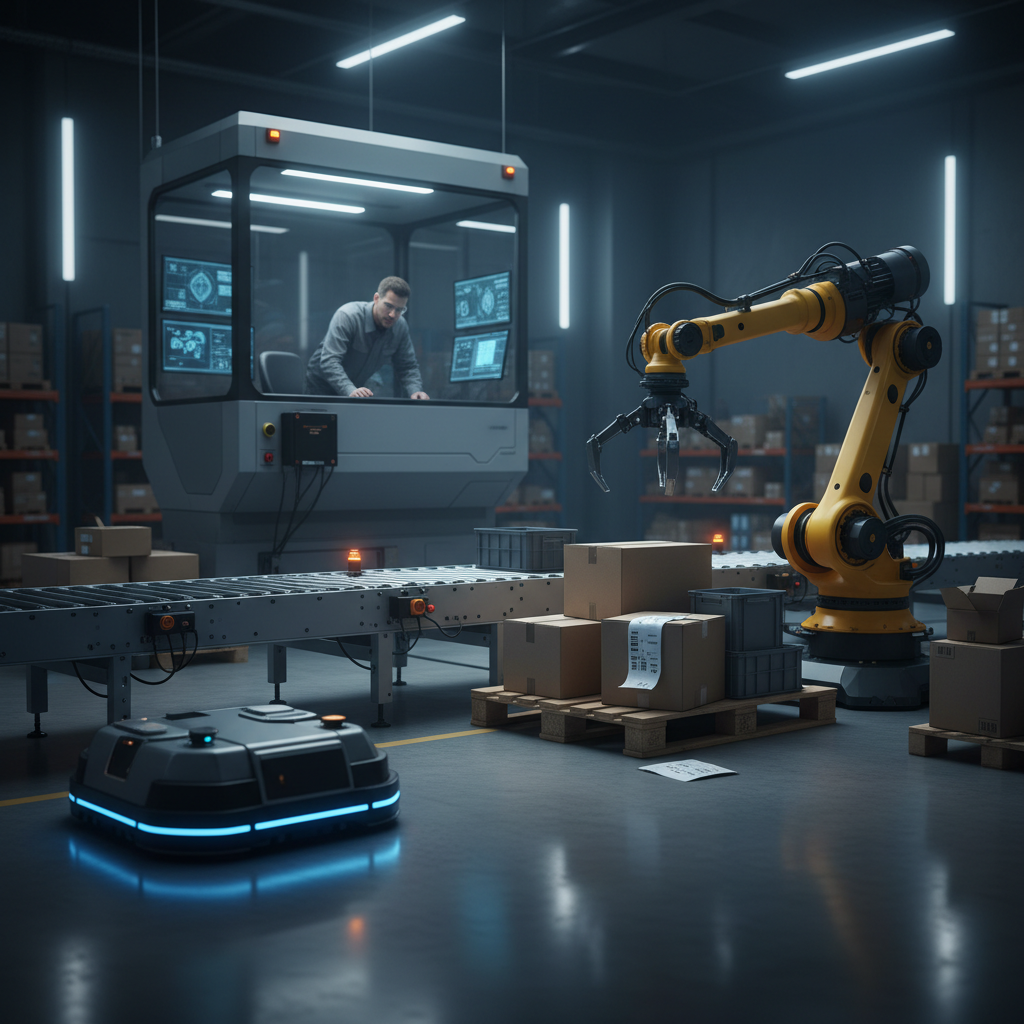
The Disconnect Between Automation Demos and Warehouse Floor Realities
For many supply chain leaders, the allure of a fully automated warehouse is powerful: a vision of efficiency, precision, and relentless productivity. Vendor demonstrations often showcase this ideal, with perfectly uniform pallets gliding along predetermined paths, robots executing tasks with flawless synchronization, and control systems displaying an uninterrupted flow of goods. This polished facade, however, frequently masks the complex, often unpredictable, operational environment that exists outside of a controlled showroom. The reality of a working warehouse involves a myriad of variables that can quickly expose the fragility of systems designed for perfection rather than resilience. From inbound shipments arriving with slightly askew pallet loads to labels that are creased, smudged, or partially torn, the real world rarely conforms to the pristine conditions assumed during system design and sales pitches. These seemingly minor deviations from the ideal can create significant friction points, causing automated systems to falter, requiring human intervention, and ultimately undermining the very efficiencies they were intended to deliver. The initial investment, often substantial, is predicated on a smooth, uninterrupted workflow, and any deviation introduces an immediate drag on performance and a challenge to the projected return on investment.
Eroding Financial Returns Through Unforeseen Operational Exceptions
The financial justification for warehouse automation typically hinges on significant reductions in labor costs, increased throughput, and improved accuracy. These projections are often based on optimized scenarios where every item, pallet, and task conforms to precise specifications. However, when real-world exceptions occur – such as a load profile falling outside the programmed parameters or a damaged barcode preventing automated scanning – the system’s efficiency grinds to a halt. Each such incident necessitates manual intervention, diverting human labor that was supposedly freed up, and often requiring specialized skills to troubleshoot. This not only adds unexpected labor costs but also introduces delays, reduces overall system throughput, and can lead to bottlenecks within the warehouse. The cumulative effect of these seemingly small exceptions can be substantial, rapidly eroding the anticipated cost savings and pushing the actual operational expenses far above initial estimates. Companies find themselves in a situation where they have invested heavily in sophisticated machinery, only to discover that a significant portion of its potential is unrealized due to a lack of robustness against common operational variances. This unforeseen expenditure and underperformance directly impact the global financial health of businesses, turning what was intended as a strategic advantage into a significant drain on resources.
Global Supply Chain Bottlenecks Emerge from Localized Automation Failures
The performance of individual warehouses, especially distribution centers, is a critical component of the broader global supply chain. When automation within these facilities fails to meet expectations, the repercussions extend far beyond the warehouse walls. A slowdown in processing goods at a key distribution hub, caused by robots struggling with non-standard loads or requiring frequent manual resets, can create a ripple effect across the entire supply chain network. This can lead to delayed order fulfillment, increased lead times for deliveries to retailers or end-consumers, and a backlog of inbound and outbound freight. For shippers, this translates to missed delivery windows, potential penalties, and damaged customer relationships. For forwarders, it means dealing with unpredictable cargo availability and extended dwell times, complicating their scheduling and capacity planning. Ultimately, these localized inefficiencies can disrupt global trade flows, strain existing transportation capacities, and necessitate costly workarounds like expedited shipping or maintaining higher safety stock levels. The promise of faster, more efficient global logistics through automation remains elusive if the foundational warehouse operations cannot reliably handle the inherent variability of real-world cargo.
Prioritizing Operational Resilience for Sustainable Automation ROI
Achieving a positive return on investment from warehouse automation demands a strategic shift from pursuing theoretical perfection to embracing operational resilience. This means designing and implementing systems that are inherently flexible and capable of handling the inevitable exceptions and variances that characterize real-world logistics. Instead of solely focusing on speed and capacity under ideal conditions, investment should also target robust exception handling mechanisms, adaptive software, and modular system designs that can be reconfigured or augmented as operational needs evolve. This might involve integrating advanced vision systems that can identify and adapt to imperfect labels or irregular packaging, or deploying collaborative robots that can assist in resolving complex exceptions alongside human workers. Furthermore, a thorough pre-implementation analysis, leveraging real operational data rather than idealized assumptions, is crucial to identify potential failure points and build in solutions from the outset. By proactively addressing the challenges posed by uneven pallets, damaged labels, and non-standard load profiles, companies can safeguard their automation investments, ensure consistent operational flow, and realize the long-term financial and strategic benefits that automation promises. This approach transforms automation from a fragile, high-risk endeavor into a resilient asset that truly enhances supply chain performance.
Source: Logistics Viewpoints — https://logisticsviewpoints.com/2026/11/12/why-warehouse-automation-roi-can-fail-before-the-robot-starts-working/