
Transpacific's Golden Lane: Navigating the Most Lucrative Shipping Trade
The Transpacific route has emerged as the most profitable major container shipping trade globally, with carriers earning significantly higher spot revenues. This shift has profound implications for global supply chains, freight costs, and operational strategies, demanding enhanced visibility and agile response mechanisms.
How this impacts the global supply chain
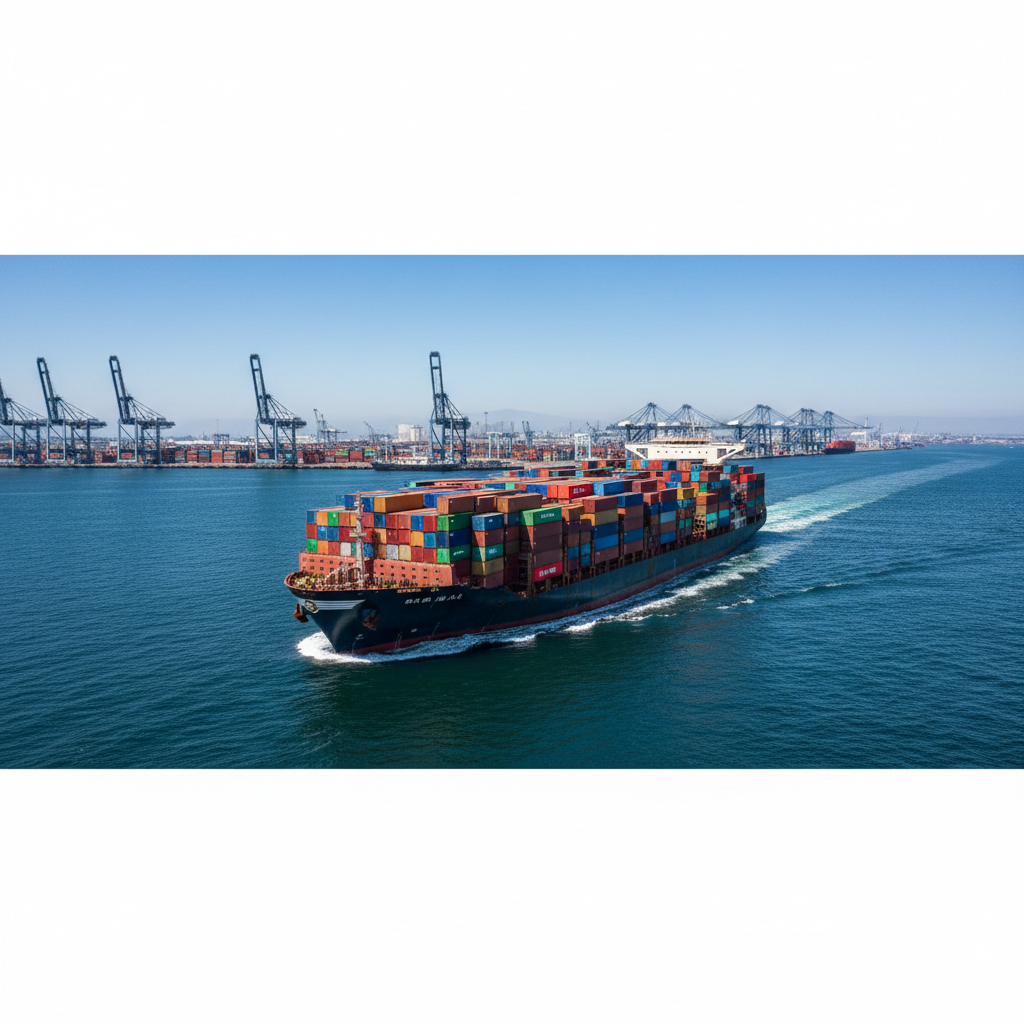
The recent analysis highlighting the Transpacific as the most lucrative major container shipping trade signals a significant realignment in global supply chain dynamics. The extraordinary strength of the US trade, particularly on the Shanghai–Los Angeles route, means that carriers are now generating five times more spot revenue per nautical mile compared to shipments to North Europe via the Cape of Good Hope. This immense profitability will inevitably lead to a strategic reallocation of resources and capacity.
Firstly, global shipping routes will become increasingly concentrated on the Transpacific. Carriers, driven by profit maximization, will prioritize deploying their most efficient and largest vessels on this 'golden trade.' This could lead to a 'capacity drain' from other, less profitable routes, such as those serving Europe or intra-Asia. Shippers relying on these secondary routes may experience reduced vessel frequency, longer transit times, and potentially higher freight rates as available capacity tightens. The ripple effect could extend to feeder services and regional networks, impacting overall network efficiency.
Secondly, the operational landscape will face intensified pressure. US West Coast ports, especially Los Angeles, will likely experience increased traffic and potential for congestion. A surge in vessel calls and cargo volumes can strain port infrastructure, leading to longer waiting times for ships, delays in cargo offloading, and extended dwell times for containers. This congestion not only adds to operational costs for carriers and shippers but also creates bottlenecks that can disrupt inland transportation networks, impacting warehouse operations and last-mile delivery. The focus on speed and efficiency on the Transpacific route might also lead carriers to optimize vessel rotations, potentially sacrificing schedule integrity on less profitable legs of their global services.
Lastly, this development could influence sourcing strategies. Businesses that have traditionally relied on diverse global manufacturing hubs might reconsider their supply chain configurations. The increased cost and potential instability of shipping from certain regions could incentivize nearshoring or reshoring efforts, particularly for goods destined for the US market. This shift, while long-term, could fundamentally alter established global manufacturing and distribution patterns, leading to more regionalized supply chains in response to the economic realities of ocean freight.
Global financial impact
The financial implications of the Transpacific's emergence as the most profitable trade lane are far-reaching, affecting carriers, shippers, and the broader global economy.
For carriers, this represents a significant boost to profitability. Earning five times more spot revenue per nautical mile on the Shanghai–Los Angeles route translates directly into substantially higher earnings. This influx of revenue can be reinvested into fleet modernization, green initiatives, or infrastructure development, potentially leading to more resilient and efficient services in the long run. However, it also creates an incentive to prioritize spot market bookings over long-term contracts, potentially leading to greater rate volatility and less predictability for shippers. The enhanced profitability could also attract new entrants or encourage existing carriers to expand their Transpacific offerings, intensifying competition over time.
Shippers face a more challenging financial outlook. The elevated spot rates on the Transpacific route mean higher freight costs for goods moving between Asia and the US. These increased costs will inevitably be passed on to consumers, contributing to inflationary pressures on a wide range of imported products. For businesses, this necessitates a re-evaluation of logistics budgets and potentially impacts profit margins. Shippers might find themselves in a weaker negotiating position, particularly for urgent shipments, as carriers leverage the strong demand. Furthermore, the potential for capacity shifts away from other routes could lead to increased costs and reduced service levels for non-Transpacific shipments, creating a cascading financial effect across global trade.
At a macro level, the global trade environment will experience a rebalancing of economic incentives. The disproportionate profitability of the US trade could exacerbate trade imbalances and influence foreign exchange rates. Countries heavily reliant on exports to the US via the Transpacific route may see their goods become more expensive, potentially impacting their competitiveness. Conversely, the US consumer market will bear the brunt of higher import costs. The focus on a single, highly lucrative trade lane also introduces systemic risk; any major disruption to the Transpacific, such as port strikes, natural disasters, or geopolitical events, could have an outsized financial impact on the global economy due to the concentration of value and capacity.
How MGS can help navigate today's global trade environment
In an environment where the Transpacific route commands such significant profitability and attention, a shipment-visibility control tower like MGS becomes an indispensable tool for navigating the complexities and mitigating risks. MGS provides the real-time intelligence necessary for proactive decision-making, helping operators respond effectively to the dynamic conditions created by this 'golden trade.'
Firstly, MGS enhances operational visibility on the most critical and potentially congested routes. With carriers prioritizing the Transpacific, the likelihood of port delays, vessel diversions, or schedule changes increases. MGS can provide granular, real-time tracking of vessels and containers from Shanghai to Los Angeles, offering precise Estimated Times of Arrival (ETAs). This foresight allows shippers to anticipate potential bottlenecks at US West Coast ports, enabling them to pre-plan drayage, optimize warehouse staffing, and manage inventory levels more effectively, thereby minimizing demurrage and detention charges that can quickly erode profit margins.
Secondly, MGS supports capacity and route optimization. As carriers reallocate capacity to the Transpacific, other trade lanes might experience service reductions. MGS can aggregate data on vessel availability, transit times, and historical performance across various routes and carriers. This intelligence empowers shippers to identify alternative shipping options, assess the viability of different port pairs, or even explore multimodal solutions if ocean capacity becomes constrained or prohibitively expensive on their preferred routes. By providing a comprehensive view of the network, MGS helps operators make data-driven decisions about where and how to move their goods, even as the market shifts.
Finally, MGS is crucial for cost management and risk mitigation. The extraordinary spot revenue on the Transpacific signifies high costs and potential volatility for shippers. By providing accurate, up-to-the-minute information on shipment status, MGS helps prevent costly disruptions. For example, knowing about an impending delay allows a shipper to adjust production schedules, re-route urgent cargo, or communicate proactively with customers, avoiding expedited shipping fees or lost sales due due to stockouts. The platform's ability to consolidate data from multiple sources also facilitates better communication and collaboration with logistics partners, fostering a more resilient and responsive supply chain ecosystem in a highly competitive and financially impactful trade lane.
Demand–supply analysis & improvement
The source material clearly indicates a significant imbalance in the Transpacific trade, driven by the "extraordinary strength of the US trade." This points to robust demand from the US market for goods originating in Asia, which is currently outstripping the available shipping supply, particularly on the spot market. The fact that carriers are generating five times more spot revenue per nautical mile on the Shanghai–Los Angeles route than on other major trades is a direct consequence of this strong demand pushing freight rates skyward.
From a demand perspective, the continuous high volume of goods moving from Asia to the US underscores persistent consumer and industrial purchasing power within the American economy. This sustained demand provides carriers with the leverage to command premium rates for their services on this specific route. On the supply side, while carriers are undoubtedly allocating significant capacity to the Transpacific to capitalize on its profitability, the current rate levels suggest that even this increased supply is insufficient to fully meet the extraordinary demand, especially for immediate or flexible shipping needs.
For shippers, concrete improvement levers include diversifying their sourcing strategies beyond traditional Asian manufacturing hubs where feasible, thereby reducing their reliance on the high-cost Transpacific route. Exploring alternative modes of transport, such as air freight for high-value or time-sensitive goods, or even rail for specific inland movements, could offer some relief, although these often come with their own cost considerations. Crucially, engaging in longer-term contract negotiations with carriers, rather than relying solely on the volatile spot market, could provide greater rate stability and guaranteed capacity, even if at a premium. Leveraging data from platforms like MGS to forecast demand more accurately can also help shippers plan bookings further in advance, potentially securing better rates.
For carriers, the primary improvement lever is maximizing the efficiency and utilization of their existing fleet on this lucrative route. This involves optimizing vessel rotations, minimizing port turnaround times, and potentially deploying larger, more fuel-efficient vessels to increase capacity per sailing. While building new vessels takes time, the current profitability provides a strong financial incentive for such long-term investments. Additionally, carriers could explore dynamic pricing models that better capture the value of their services while attempting to balance spot market gains with the need to maintain strong relationships with contract customers.
ROI-focused resilience
The extraordinary profitability of the Transpacific route, evidenced by carriers earning five times more spot revenue per nautical mile, underscores the immense financial stakes involved and, consequently, the critical need for ROI-focused resilience strategies. The risk here is not just general disruption, but disruption to a trade lane that is demonstrably the most lucrative in global shipping, meaning any interruption carries a disproportionately high financial cost.
Quantified Risk: The primary quantified risk for shippers is the direct cost exposure to these elevated freight rates. If a shipment on the Shanghai–Los Angeles route is delayed or rerouted due to congestion or unforeseen events, the financial impact is magnified by the baseline cost of shipping, which is already five times higher in terms of spot revenue per nautical mile for carriers. For shippers, this translates into potentially exorbitant demurrage and detention charges at congested ports, increased inventory holding costs due to extended transit times, and the potential need for costly expedited air freight to avoid stockouts. The loss of a single high-value shipment or a significant delay can translate into millions in lost revenue or penalties, directly impacting a company's bottom line. For carriers, disruptions mean lost revenue opportunities on their most profitable routes, impacting their overall financial performance.
Investment for Resilience: A key investment to protect against these quantified risks is the implementation and effective utilization of advanced shipment-visibility control tower platforms, such as MGS. This investment is not merely about tracking, but about gaining actionable intelligence to preempt and mitigate financial losses.
ROI: The return on investment for such a platform is directly tied to the avoidance of these high-cost scenarios. For example, by providing real-time alerts on vessel delays or port congestion, MGS allows shippers to:
- Avoid Demurrage and Detention (D&D) charges: Proactive management of cargo pickup and delivery, potentially saving thousands to tens of thousands of dollars per delayed container.
- Optimize Inventory Costs: Accurate ETAs reduce the need for excessive safety stock, freeing up working capital and reducing warehousing expenses.
- Minimize Expedited Shipping Costs: Early warning of delays allows for strategic adjustments, reducing reliance on expensive air freight to meet deadlines.
- Preserve Customer Relationships and Sales: Reliable delivery information prevents stockouts and ensures customer satisfaction, safeguarding future revenue streams.
In an environment where the Transpacific is generating such outsized revenue, the cost of not having granular visibility and control over shipments on this route far outweighs the investment in a robust platform like MGS. The ROI is realized through direct cost savings, improved operational efficiency, and the protection of revenue in a highly volatile yet critically important trade lane.
Source: Splash247 — https://splash247.com/transpacific-emerges-as-liner-shippings-golden-trade/