
The Coming Wave: Navigating the Containership Capacity Surge
The global containership orderbook is soaring towards 16 million TEU, signaling an unprecedented expansion in shipping capacity. This brief analyzes the profound implications for global supply chains, financial markets, and how advanced visibility platforms like MGS are essential for navigating this evolving landscape.
How this impacts the global supply chain
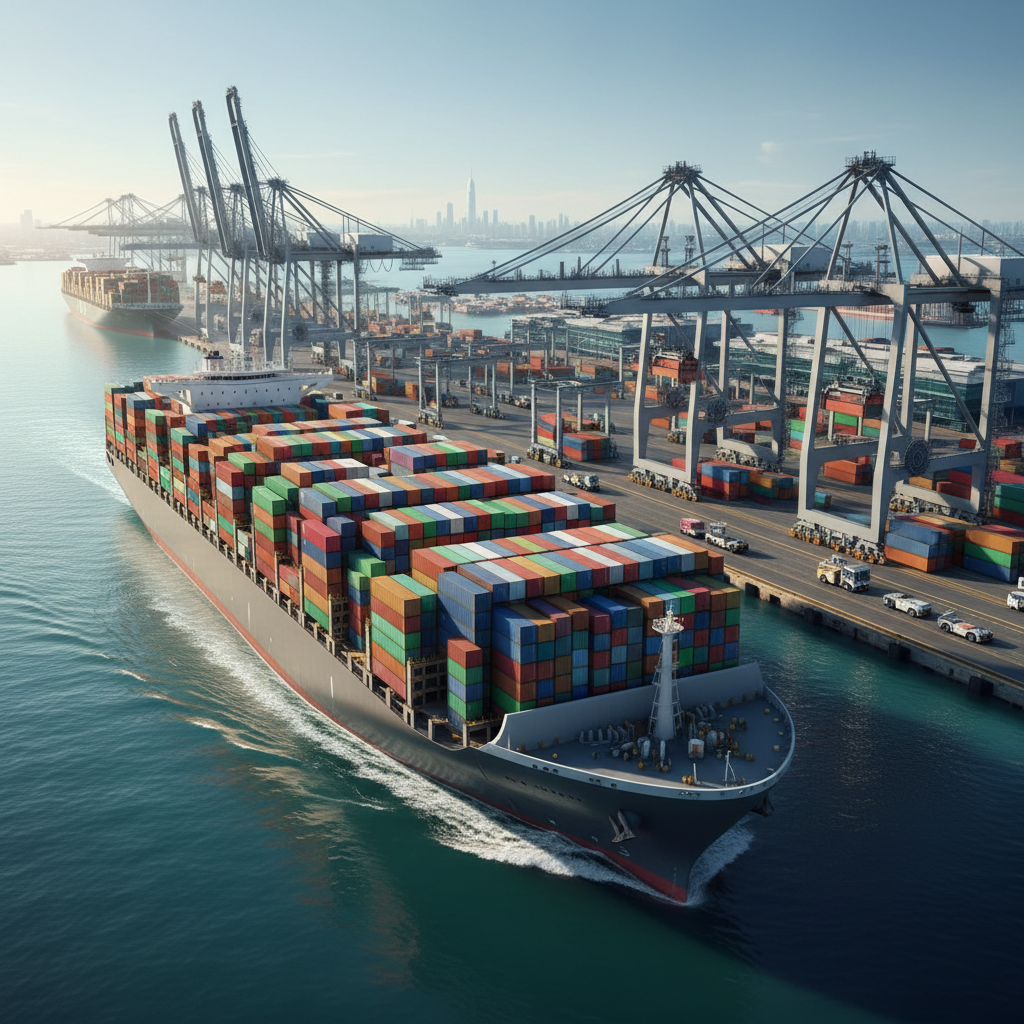
The extraordinary surge in the containership orderbook, now exceeding 15 million TEU and projected to reach 16 million TEU with an additional 40 large vessels, heralds a transformative period for global supply chains. This unprecedented expansion in vessel capacity will fundamentally reshape how goods move across the world.
Firstly, global supply-chain flows and routes are poised for significant shifts. More larger vessels offer carriers flexibility, potentially leading to more direct point-to-point services and reduced transit times. New route options may emerge. Conversely, if demand lags, carriers might consolidate services or resort to blank sailings, disrupting flows. "Megamax" class vessels also concentrate traffic at limited deep-water ports, increasing infrastructure pressure.
Secondly, the impact on capacity is a massive increase in available slots. This could alleviate port congestion and vessel shortages, leading to more fluid goods movement. However, new tonnage could overwhelm landside logistics, shifting congestion from sea to land. While offering resilience against localized disruptions, it also makes the system susceptible to systemic oversupply.
Finally, operations across the logistics spectrum will adapt. Carriers face the challenge of filling new ships efficiently, potentially leading to aggressive pricing. Port operators will need investments in bigger cranes, deeper berths, and expanded yard capacity. Shippers face opportunities for frequent sailings and lower rates, but also the challenge of adapting to shorter lead times or managing disruptions if carriers struggle with deployment. The operational efficiency of the entire ecosystem will be tested.
Global financial impact
The impending surge in containership capacity, driven by an orderbook approaching 16 million TEU, carries profound financial and cost implications for all stakeholders in global trade. This expansion will likely redefine the economic landscape for shippers, carriers, and the broader global economy.
For shippers, the outlook is largely positive regarding freight costs. Substantial increases in available vessel space will intensify competition among ocean carriers, driving down freight rates. This offers significant cost savings for businesses, translating into reduced landed costs and improved profit margins. Increased capacity can also lead to more stable and predictable pricing, aiding budget forecasting. However, shippers must be wary of potential service quality degradation if carriers, under financial pressure, cut corners or if overcapacity leads to widespread blank sailings impacting reliability.
Carriers, on the other hand, face significant financial strain. The "extraordinary ordering spree" represents massive capital expenditure. The primary challenge will be generating sufficient revenue to cover these costs and maintain profitability amidst falling freight rates. With an orderbook heading towards 16 million TEU, the industry risks substantial oversupply if global trade growth does not keep pace. This imbalance will exert downward pressure on rates, compressing carrier margins. Carriers may be forced to implement cost-cutting, rationalize services, or even idle vessels, impacting financial health and potentially accelerating industry consolidation.
For trade at large, financial implications are mixed but generally lean towards stimulating global commerce. Lower shipping costs can act as a catalyst for increased international trade, boosting economic activity and fostering globalization. However, the environmental cost of a larger global fleet remains a concern, potentially leading to future carbon taxes. Moreover, severe financial distress in the carrier sector due to overcapacity could lead to instability in the global logistics network, impacting trade reliability. The challenge is to absorb this new capacity while mitigating financial risks.
How MGS can help navigate today's global trade environment
In an environment characterized by an unprecedented surge in containership capacity, with the global orderbook nearing 16 million TEU, clear visibility and control over shipments become paramount. A sophisticated shipment-visibility control tower like MGS offers critical capabilities for operators to effectively navigate this evolving landscape.
For shippers, MGS provides essential intelligence to capitalize on increased capacity and mitigate risks. With more vessels and routes, MGS offers real-time, end-to-end visibility into every shipment. Shippers can track cargo on any of the new 40 large containerships or the broader fleet, understanding actual transit times and receiving proactive alerts for potential delays. This granular data allows for more accurate Estimated Times of Arrival (ETAs), crucial for optimizing inventory, managing warehouse space, and synchronizing production. A data-driven understanding of available capacity and carrier performance empowers shippers to negotiate more effectively for freight rates, securing competitive pricing without compromising reliability. MGS transforms raw data into actionable insights for informed decisions on route optimization, carrier selection, and risk management.
For carriers, MGS is an invaluable tool for optimizing expanded fleets and maintaining operational efficiency amidst intense competition. As they deploy new vessels, MGS provides a consolidated view of their fleet's movements, helping monitor utilization rates and identify opportunities for efficient deployment. By tracking port turnaround times and identifying bottlenecks in real-time, carriers can proactively address inefficiencies, improve schedule adherence, and enhance customer satisfaction. Offering shippers precise, real-time updates through MGS becomes a key differentiator, improving transparency and trust.
Ultimately, MGS serves as the central nervous system for supply chain operations. It empowers both shippers and carriers with data and insights to transform potential challenges—like overcapacity leading to rate volatility—into opportunities for enhanced efficiency, cost savings, and improved resilience. It shifts operators from reactive problem-solving to proactive strategic management, ensuring the benefits of increased capacity are realized while mitigating associated risks.
Demand–supply analysis & improvement
The containership orderbook, rapidly approaching 16 million TEU with an additional 40 large vessels, signals a massive supply-side boom. This "extraordinary ordering spree" suggests carriers anticipate robust global trade growth to absorb this capacity. However, a significant demand-supply imbalance could arise if future trade expansion doesn't match this new vessel delivery schedule. The sheer scale of the orderbook raises questions about the market's ability to absorb such an expansion without oversupply.
Improvement Levers:
For Shippers:
- Diversified Carrier Portfolios: Increased capacity offers more options. MGS can analyze carrier performance, enabling shippers to build diversified portfolios, reducing dependence and improving resilience.
- Strategic Contract Negotiation: A buyer's market allows shippers to negotiate favorable long-term contracts with competitive rates and flexible clauses. MGS data on market rates and carrier performance informs these negotiations.
- Optimized Inventory Management: More predictable transit times and greater capacity enable leaner inventory strategies, reducing carrying costs. MGS's accurate ETA predictions are crucial.
For Carriers:
- Dynamic Fleet Deployment: Carriers must optimize vessel deployment to maximize utilization. MGS provides insights into port congestion, demand patterns, and competitor movements to inform intelligent allocation of new vessels.
- Enhanced Operational Efficiency: In a low-rate environment, carriers must focus on efficiency, including optimizing vessel speeds, improving port turnaround, and streamlining inland logistics. MGS data highlights bottlenecks.
- Value-Added Services: Differentiating beyond basic transport with integrated logistics or digital platforms helps create shipper loyalty and reduces reliance on freight rates alone.
For the Broader Industry Ecosystem:
- Port Infrastructure Investment: Ports must anticipate larger vessels and increased volumes, investing in deeper channels, bigger cranes, and expanded terminal capacity to prevent landside congestion.
- Digital Integration and Collaboration: Enhanced data sharing and digital integration across the supply chain is essential. Platforms like MGS facilitate this common data layer, improving coordination and reducing friction.
Proactively addressing the potential imbalance and leveraging data-driven insights can transform this capacity expansion into an opportunity for greater efficiency and resilience.
Source: Splash247 — https://splash247.com/containership-orderbook-heads-towards-16m-teu/