
SpaceX & Tesla's Terafab: A Blueprint for Integrated Value Creation
This brief analyzes the financial and operational implications of SpaceX and Tesla's new Terafab AI chip manufacturing plant in Grimes, Texas, focusing on how this massive, vertically integrated facility drives cost reduction, operational efficiency, and high-growth opportunities for their advanced product lines.
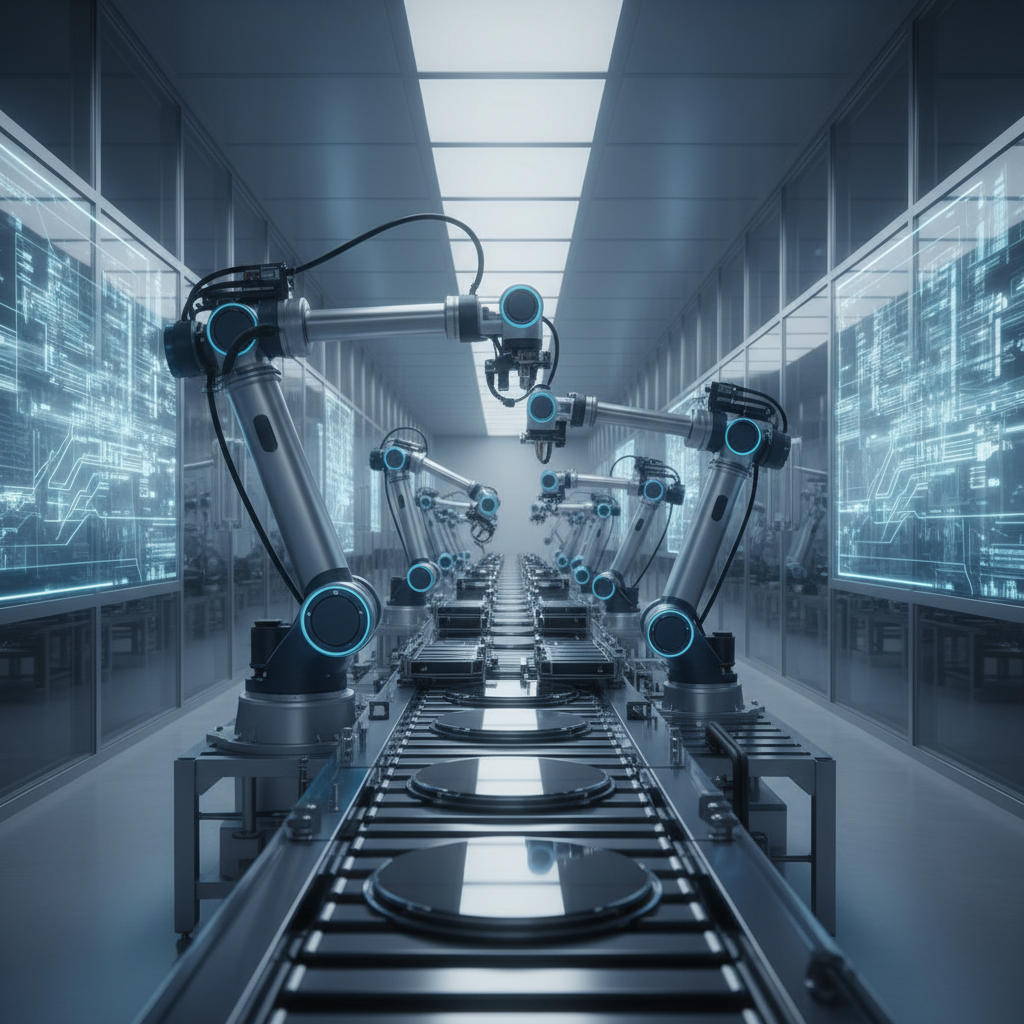
SpaceX and Tesla's strategic decision to establish the Terafab, an AI chip manufacturing plant in Grimes, Texas, represents a significant move towards vertical integration and control over critical components. Poised to become the world's largest building, this facility is designed to produce AI chips at massive scale for internal applications such as Optimus robots, Cybercabs, and space-based data centers. This endeavor offers profound insights into how leading innovators are optimizing their financial and operational landscapes to secure competitive advantage and fuel ambitious growth trajectories.
Operational Efficiency
The Terafab's design as the "world's largest building" for AI chip manufacturing at "massive scale" is inherently a play for unparalleled operational efficiency. By bringing the production of crucial AI chips in-house, SpaceX and Tesla gain direct control over the entire manufacturing process, from raw materials to finished components. This vertical integration minimizes reliance on external suppliers, reducing lead times and supply chain complexities often associated with high-tech components. The sheer scale of the facility suggests highly optimized production lines, advanced automation, and streamlined workflows designed to maximize throughput and minimize waste. This enables a consistent, high-quality supply of AI chips, directly feeding the production of Optimus robots, Cybercabs, and space-based data centers, thereby ensuring their own product assembly lines operate without interruption and at peak performance.
Cost Reduction
Manufacturing AI chips internally at "massive scale" is a powerful lever for cost reduction. Rather than procuring these specialized components from third-party vendors, SpaceX and Tesla can bypass supplier markups and negotiation complexities. The economies of scale achieved within the "world's largest building" for chip production will drive down the per-unit cost of each AI chip. Furthermore, direct control over the manufacturing process allows for continuous innovation in production techniques, material sourcing, and energy efficiency, all contributing to a lower overall cost of goods sold for their end products. This strategic insourcing mitigates exposure to volatile external chip markets and secures a predictable cost structure for critical components.
Organizational Productivity
Operating a facility of the Terafab's magnitude and technological sophistication demands exceptional organizational productivity. The integration of AI chip manufacturing for diverse internal applications like Optimus robots, Cybercabs, and space-based data centers requires a highly coordinated and efficient organizational structure. This includes optimizing cross-functional teams, leveraging advanced data analytics for real-time performance monitoring, and fostering a culture of continuous improvement. The plant's design and operational philosophy will likely emphasize lean manufacturing principles and smart factory concepts, ensuring that every process, from design to production, contributes maximally to output. This focused approach to productivity ensures that the massive investment translates into a rapid and consistent supply of high-performance AI chips.
Cash Flow Optimization
The Terafab represents a significant capital investment, yet it is a strategic move designed to optimize long-term cash flow. By securing an internal supply of AI chips, SpaceX and Tesla reduce their exposure to external market price fluctuations and potential supply disruptions that could negatively impact cash flow. The ability to produce these chips at "massive scale" and lower cost will improve the gross margins of their end products (Optimus robots, Cybercabs, space-based data centers), leading to stronger operating cash flows. Furthermore, controlling the entire value chain allows for better inventory management and reduced working capital tied up in external component procurement, contributing to a more predictable and robust cash flow profile over time.
Procurement Savings
The decision to build the Terafab for in-house AI chip production fundamentally shifts the procurement strategy for these critical components. Instead of negotiating with external chip manufacturers, SpaceX and Tesla are effectively insourcing, thereby eliminating external supplier margins and reducing the transactional costs associated with complex procurement agreements. While there are internal manufacturing costs, the strategic control allows for optimized material sourcing and direct negotiation with raw material suppliers. A shipment-visibility control tower (MGS) would be instrumental here, providing real-time tracking of inbound raw materials and components for the Terafab. This visibility ensures timely deliveries, minimizes the need for costly expedited shipping, and allows for proactive management of potential supply chain disruptions, directly contributing to overall procurement savings by optimizing inventory levels and reducing carrying costs.
Workforce Optimization
Establishing the "world's largest building" for AI chip manufacturing at "massive scale" necessitates a highly optimized and specialized workforce. This involves attracting and retaining top-tier talent in fields such as advanced manufacturing, AI engineering, robotics, and process automation. Workforce optimization will focus on maximizing human-machine collaboration, training employees on cutting-edge technologies, and implementing efficient labor management systems to ensure high productivity and quality. The nature of AI chip production suggests a workforce that is not only highly skilled but also adaptable, capable of managing complex, automated systems and driving continuous innovation within the Terafab.
Sales Effectiveness
The internal production of AI chips for Optimus robots, Cybercabs, and space-based data centers directly enhances the sales effectiveness of these advanced products. By controlling the core intelligence of these systems, SpaceX and Tesla can ensure superior performance, reliability, and unique features that differentiate their offerings in competitive markets. High-quality, custom-designed AI chips can lead to more efficient, powerful, and secure products, which in turn strengthens their market appeal and customer value proposition. This technological edge, secured through in-house manufacturing, becomes a compelling selling point, driving higher conversion rates and customer satisfaction for their innovative solutions.
Revenue Optimization
By producing AI chips at "massive scale" for their internal product lines, SpaceX and Tesla are directly optimizing their revenue potential across multiple high-growth sectors. The Terafab ensures a reliable and cost-effective supply of critical components, enabling them to scale production of Optimus robots, Cybercabs, and space-based data centers without being constrained by external chip availability or pricing. This strategic control allows for faster market penetration and the ability to meet surging demand, directly translating into accelerated revenue growth from these high-value ventures. The ability to innovate rapidly with custom AI chips also opens doors to new product features and services, further expanding revenue streams.
High-Growth Opportunities
The Terafab is a foundational investment explicitly designed to unlock and accelerate high-growth opportunities for both SpaceX and Tesla. Optimus robots, Cybercabs, and space-based data centers are all nascent, high-potential markets with significant long-term growth trajectories. By ensuring an internal, "massive scale" supply of AI chips, the companies are positioning themselves to dominate these emerging sectors. This strategic move provides the necessary technological backbone to rapidly innovate, scale production, and capture market share in areas that are expected to define future economies, solidifying their leadership in advanced technology and space exploration.
High-Margin Opportunities
Vertical integration into AI chip manufacturing allows SpaceX and Tesla to capture a greater share of the profit margin for their end products. AI chips are high-value components, and by producing them in-house, the companies effectively absorb the profit margins that would otherwise go to external suppliers. This strategic move enhances the overall profitability of Optimus robots, Cybercabs, and space-based data centers. Furthermore, the ability to custom-design and optimize chips for their specific applications can lead to superior product performance, justifying premium pricing and further expanding high-margin opportunities across their innovative product portfolio.
Source: Fox Business — https://www.foxbusiness.com/technology/spacex-tesla-choose-texas-ai-chip-manufacturing-plant-worlds-largest-building