
Red Sea Tensions Escalate: Ras Isa Airstrike Rocks Petroleum Supply Chains
A recent airstrike on Yemen's Ras Isa petroleum terminal highlights the persistent geopolitical risks impacting critical maritime lanes and energy infrastructure. This brief analyzes the implications for global supply chains, specific facilities, and modes of transport, offering strategies for shippers to navigate such volatile environments.
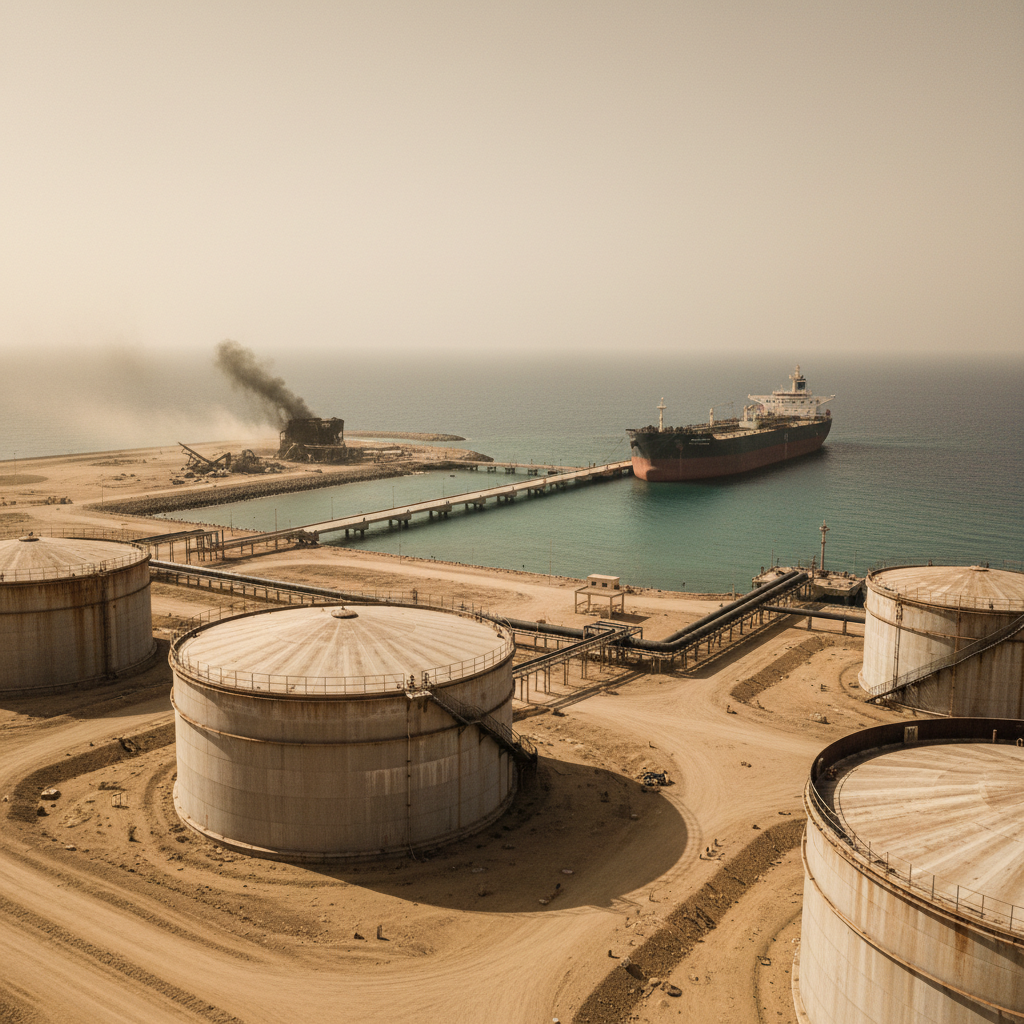
Geopolitical Instability and Maritime Risk
The ongoing conflict in Yemen continues to cast a long shadow over one of the world's most vital maritime arteries: the Red Sea. The reported airstrike on the petroleum product terminal at Ras Isa, situated northwest of Hodeidah, serves as a stark reminder of how regional geopolitical tensions can directly translate into tangible disruptions for global supply chains. Such incidents underscore the inherent volatility of operating in conflict-affected zones, where military actions, whether targeted or collateral, pose significant threats to infrastructure and the free flow of commerce. The 'repeat' nature of such events, as indicated by reports, suggests a persistent and elevated risk profile for assets and operations within this strategic region, demanding continuous vigilance from all stakeholders in the maritime and logistics sectors.
Impact on Red Sea Shipping Lanes
The Red Sea, connecting the Suez Canal to the Bab-el-Mandeb Strait, is a crucial conduit for East-West trade, particularly for energy shipments. While the port of Ras Isa primarily handles petroleum products and may not be a major global container hub, an attack on any facility in its vicinity, especially near Hodeidah, heightens perceived risks for all vessels transiting the broader Red Sea area. Shippers and carriers must now contend with increased scrutiny of security protocols, potential for rerouting, and elevated insurance premiums. Even the threat of disruption can lead to delays as vessels exercise caution, impacting schedule reliability across numerous global shipping routes. The psychological impact on crew and operators also contributes to operational friction, making timely and safe passage more challenging.
Vulnerability of Critical Energy Infrastructure
The targeting of a 'petroleum product terminal' like Ras Isa exposes the acute vulnerability of critical energy infrastructure in conflict zones. Such facilities are not merely points of cargo transfer but integral nodes in the global energy supply network. Damage to these terminals can disrupt the loading, unloading, and storage of refined petroleum, leading to localized shortages, price volatility, and cascading effects on industries reliant on these products. The concentrated nature of energy infrastructure makes it a high-value target, and its disruption can have disproportionate impacts on regional stability and international markets, far beyond the immediate geographical confines of the incident. This necessitates robust risk assessment and contingency planning for any organization involved in the energy supply chain.
Implications for Petroleum Product Movement
Disruptions at a petroleum product terminal directly impede the movement of refined fuels, lubricants, and other derivatives. Unlike crude oil, which often has more diverse loading points, refined products are frequently handled at specialized facilities. An attack on Ras Isa means that petroleum products destined for or originating from this terminal face immediate cessation or severe delays. This can force shippers to seek alternative ports, which may be less efficient, geographically inconvenient, or lack the necessary infrastructure, leading to increased transit times and costs. Furthermore, the incident can trigger a regional scramble for alternative fuel sources, potentially exacerbating supply-demand imbalances and driving up logistical expenses for land-based distribution networks once products reach shore.
Shipper Strategies for Navigating Conflict Zones
In the face of escalating geopolitical risks, shippers must adopt proactive and adaptive strategies. Firstly, comprehensive risk assessment is paramount, involving continuous monitoring of geopolitical developments and intelligence from maritime security agencies. Secondly, contingency planning for alternative routes, even if more costly or time-consuming, becomes essential. This includes evaluating options for transshipment or modal shifts where feasible. Thirdly, engaging with specialized maritime insurance providers to understand coverage and potential exclusions in conflict zones is crucial. Lastly, establishing clear communication protocols with carriers, port authorities, and internal teams ensures swift decision-making and coordinated responses when incidents occur. Diversifying sourcing and distribution points can also build resilience against single-point failures in volatile regions.
The Role of Shipment Visibility in Crisis Response
In environments marked by rapid geopolitical shifts and sudden disruptions, a robust shipment-visibility control tower platform like MGS becomes an indispensable asset. Real-time data on vessel locations, estimated times of arrival, and potential deviations allows shippers to immediately assess the impact of an incident like the Ras Isa airstrike. MGS can provide instant alerts for vessels approaching or operating within affected zones, enabling proactive communication with carriers to reroute or hold cargo. The ability to visualize entire supply chain flows helps identify alternative ports or modes of transport swiftly, optimizing recovery efforts and minimizing financial losses. Furthermore, detailed historical data and predictive analytics within the platform can inform future risk assessments and strategic planning, making supply chains more resilient to unforeseen geopolitical events.
Source: The Maritime Executive — https://maritime-executive.com/article/saudi-forces-launch-airstrike-on-port-of-ras-isa-yemen