
Powering Ahead: CleanMax's Strategic Blueprint for Financial and Operational Value
CleanMax's ambitious growth targets of 1.5 GW capacity and over Rs 3,000 crore EBITDA by FY28 highlight a focused strategy on high-growth sectors and robust capital management. This brief analyzes how the company plans to unlock significant financial and operational value through strategic capital deployment, targeted market penetration, and optimized operational execution.
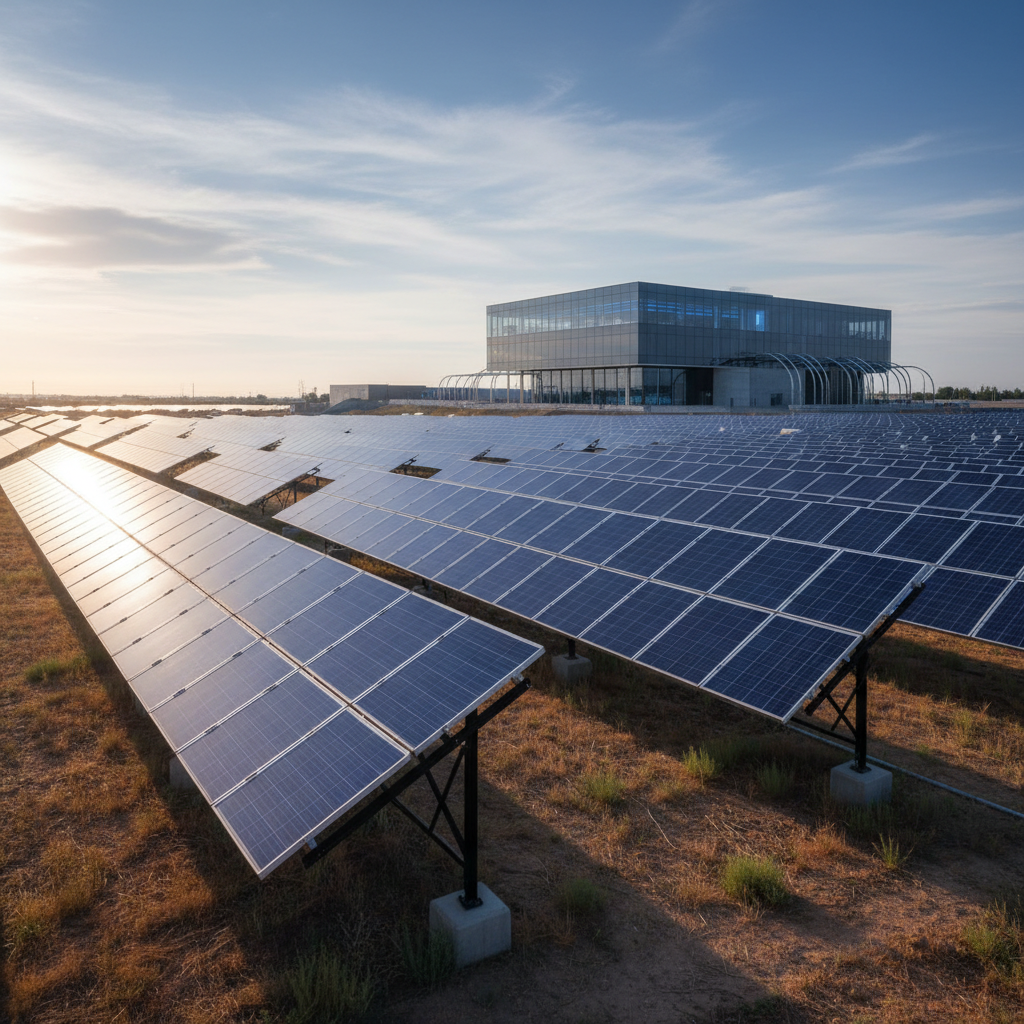
As businesses navigate dynamic market landscapes, the ability to strategically manage financial and operational levers becomes paramount for sustainable growth and value creation. CleanMax's ambitious targets for capacity expansion and profitability offer a compelling case study in this regard. Their plan to add 1.5 GW of capacity by FY27 and achieve over Rs 3,000 crore EBITDA by FY28 is not merely a statement of intent, but a roadmap underpinned by astute financial structuring and a keen eye on high-potential market segments.
Cash flow optimization
Effective cash flow management is foundational to funding aggressive growth, especially in capital-intensive industries like renewable energy. CleanMax's strategic move to secure funding through a planned Rs 2,500 crore bond issue is a clear demonstration of a proactive approach to cash flow optimization. This substantial capital injection provides the necessary long-term liquidity to finance the significant capital expenditures associated with deploying 1.5 GW of new capacity. By opting for bond financing, the company aims to secure funds at potentially more favorable rates and terms compared to other financing avenues, thereby optimizing the cost of capital over the project lifecycle. The company's existing AA credit rating further enhances this strategy, as it typically translates to lower borrowing costs and broader access to capital markets. This strong credit profile not only reduces the financial burden of debt servicing but also signals financial stability and reliability to investors and partners, fostering an environment conducive to sustained expansion. By ensuring a stable and cost-effective funding pipeline, CleanMax is strategically optimizing its cash flow to support its ambitious growth trajectory, minimizing financial constraints and maximizing the reinvestment potential within its renewable portfolio.
High-growth opportunities
CleanMax's growth strategy is sharply focused on capitalizing on burgeoning market demands, identifying and targeting high-growth opportunities that promise significant returns. The target of adding 1.5 GW of capacity by FY27 is directly aligned with the accelerating energy demands from specific, high-value sectors. The company explicitly identifies data centers, artificial intelligence (AI) infrastructure, 'Make in India' initiatives, and general manufacturing demand as primary growth drivers. These segments are characterized by their rapidly expanding energy consumption footprint and a growing imperative for sustainable power solutions. Data centers and AI operations, in particular, require massive, reliable, and often uninterrupted power supply, making renewable energy solutions highly attractive for both economic and environmental reasons. Similarly, the 'Make in India' campaign and the broader manufacturing sector's expansion necessitate substantial and consistent power, presenting a vast opportunity for industrial-scale renewable energy providers. By strategically positioning itself within these high-demand niches, CleanMax is not merely expanding capacity but is doing so in areas where demand is robust and likely to sustain long-term growth, thereby securing a strong foundation for its future revenue streams and market leadership.
Revenue optimization
Achieving over Rs 3,000 crore EBITDA by FY28, alongside the 1.5 GW capacity addition, underscores a clear strategy for revenue optimization. The direct correlation between increased operational capacity and potential revenue generation is evident: more installed capacity means more energy generated and sold. However, revenue optimization extends beyond mere volume. By targeting sectors like data centers and manufacturing, CleanMax is likely focusing on clients with high and stable power demands, often leading to long-term power purchase agreements (PPAs). These contracts typically offer predictable revenue streams and can be structured to provide favorable pricing, thereby maximizing the revenue generated per unit of capacity. The strategic choice of customer segments also implies an ability to command competitive pricing due to the value proposition of reliable, green energy. Furthermore, the substantial EBITDA target suggests that the company is not just chasing top-line growth but is also keenly focused on the profitability of its revenue, implying efficient cost management alongside aggressive sales. This holistic approach ensures that the expanded capacity translates into optimized revenue streams that contribute significantly to the company's overall financial health.
High-margin opportunities
The pursuit of over Rs 3,000 crore EBITDA by FY28 provides a strong indication that CleanMax is actively seeking and capitalizing on high-margin opportunities within the renewable energy sector. EBITDA, as a measure of operational profitability before non-operating expenses, directly reflects the efficiency and margin inherent in the company's core business activities. While specific margin percentages are not disclosed, achieving such a significant EBITDA figure implies that the company is either operating with exceptional cost efficiency, securing premium pricing for its services, or a combination of both. The strategic focus on data centers, AI, and manufacturing demand supports this hypothesis. These segments often prioritize reliability, sustainability, and long-term energy security, which can allow renewable energy providers to negotiate more favorable contract terms and pricing compared to more commoditized markets. Long-term PPAs with creditworthy clients in these sectors can secure stable, high-margin revenue streams. Moreover, the scale of 1.5 GW capacity addition suggests economies of scale in project development and operation, further contributing to improved margins as the company grows. This strategic alignment towards high-value clients and efficient large-scale deployment is central to maximizing the profitability of each unit of energy sold.
Operational efficiency
Scaling operations to deploy an additional 1.5 GW of capacity by FY27 is an immense undertaking that hinges critically on operational efficiency. This level of expansion demands meticulous project management, from site selection and permitting to procurement, construction, and grid integration. Efficient execution minimizes project delays, reduces cost overruns, and ensures that new assets become operational and revenue-generating as quickly as possible. Streamlined processes in logistics and supply chain management are particularly vital for such large-scale infrastructure projects. For instance, a shipment-visibility control tower (MGS) could significantly enhance operational efficiency by providing real-time, end-to-end tracking of critical components—such as solar panels, inverters, and structural components—from global suppliers to various project sites. This granular visibility would allow CleanMax to proactively manage potential supply chain disruptions, optimize inventory holding costs, and ensure just-in-time delivery for construction phases. By mitigating risks associated with material availability and delivery timelines, an MGS would directly contribute to adhering to project schedules and budgets, thereby maximizing the operational output from the 1.5 GW capacity additions and directly supporting the achievement of the Rs 3,000 crore EBITDA target through optimized project delivery and reduced operational friction.
Sales effectiveness
The ambitious growth targets and the specific market segments identified by CleanMax are a testament to a highly effective and targeted sales strategy. The company's ability to drive growth through demand from data centers, AI, 'Make in India' initiatives, and manufacturing sectors indicates that its sales and business development teams possess a deep understanding of these industries' unique energy requirements and procurement processes. Sales effectiveness in this context involves not just closing deals, but also building strong, long-term relationships with key decision-makers in these high-value segments. It requires a consultative approach, offering tailored renewable energy solutions that address specific client needs for sustainability, cost predictability, and energy reliability. The successful penetration and expansion within these competitive sectors will be a direct outcome of the sales team's ability to articulate the value proposition of CleanMax's renewable portfolio, convert market demand into concrete project contracts, and ultimately contribute to the 1.5 GW capacity additions and the overarching Rs 3,000 crore EBITDA goal. This strategic focus ensures that sales efforts are concentrated on segments that offer the highest potential for scale, profitability, and long-term partnership.
Source: The Economic Times Markets — https://economictimes.indiatimes.com/markets/expert-view/etmarkets-management-talk-cleanmaxs-next-growth-phase-1-5-gw-capacity-addition-target-rs-3000-crore-ebitda-by-fy28-says-kuldeep-jain/articleshow/133417896.cms