
Navigating Turbulent Waters: Supply Chain Resilience Amidst Strait of Hormuz Incidents
Recent security incidents in the Strait of Hormuz, with at least six vessels reportedly struck since Sunday, introduce significant turbulence into global maritime trade. This brief analyzes the immediate and potential ripple effects on key shipping lanes, port operations, and transport modes, offering strategies for shippers to mitigate risk and maintain cargo flow in these unpredictable conditions.
Overview of the Disruption
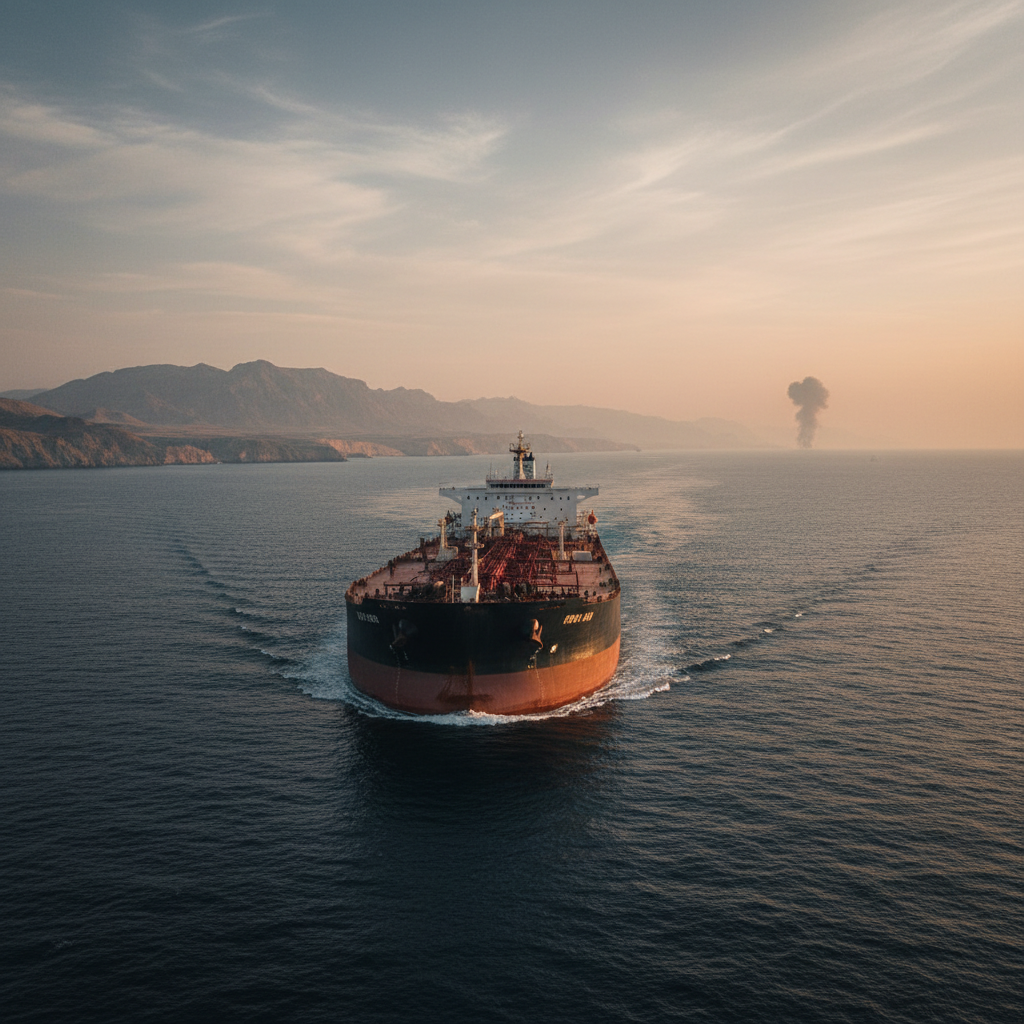
The Strait of Hormuz, a narrow waterway connecting the Persian Gulf to the open ocean, stands as one of the world's most critical maritime choke points. Its strategic importance cannot be overstated, as a significant portion of global oil and liquefied natural gas (LNG) transits through its waters daily, alongside a substantial volume of containerized cargo supporting East-West trade. The recent escalation of security concerns, marked by reports of at least six vessels being struck in the waterway since Sunday, signals a profound shift in the operational landscape for global supply chains. This series of incidents introduces a layer of unpredictable risk, akin to sudden, severe meteorological events, but stemming from geopolitical instability rather than natural forces. For supply chain professionals, these events underscore the fragility of established routes and the urgent need for robust risk management strategies.
The immediate aftermath of such incidents typically involves heightened vigilance, increased security protocols, and a re-evaluation of risk premiums by insurers. The cumulative effect is a disruption that radiates outwards, impacting not just the vessels directly involved but the entire ecosystem of maritime logistics. Shippers must now contend with an environment where transit through a vital artery is subject to sudden, non-weather-related interruptions, demanding a dynamic and informed approach to cargo movement.
Affected Lanes and Routes
The primary lanes directly impacted are those traversing the Strait of Hormuz itself. This includes the crucial East-West trade routes connecting Asian manufacturing hubs with European and North American markets, as well as intra-regional trade within the Middle East. Any impediment to free passage through the Strait forces carriers and shippers to consider alternative, often longer and more expensive, routes. The most prominent alternative involves diverting vessels around the Arabian Peninsula, via the Cape of Good Hope. This re-routing adds thousands of nautical miles to a journey, translating into weeks of additional transit time, significantly higher fuel consumption, and increased operational costs. For time-sensitive cargo, such delays can render products obsolete or cause severe production line stoppages for manufacturers reliant on just-in-time inventory.
Beyond the direct re-routing, the ripple effect extends to feeder services that connect smaller ports within the Persian Gulf to larger transshipment hubs. These feeder routes become less reliable, potentially leading to cargo backlogs at regional ports. Furthermore, the increased demand on alternative routes can lead to congestion in other maritime corridors and at ports not typically accustomed to such high volumes, creating a cascading effect across the global shipping network.
Impact on Facilities
Ports situated within or adjacent to the Persian Gulf are immediately and directly affected by the heightened risks in the Strait of Hormuz. Major container terminals and oil export facilities in countries like the UAE, Saudi Arabia, Qatar, and Bahrain face potential reductions in vessel calls as shipowners and operators weigh the risks. This can lead to decreased throughput, operational inefficiencies, and financial strain on port authorities and associated logistics providers.
Downstream, ports in Europe, Asia, and North America that regularly receive cargo originating from or transiting through the Gulf will experience significant schedule disruptions. The delayed arrival of vessels, or the bunched arrival of multiple ships that have been held up, can overwhelm port infrastructure, leading to berth congestion, longer waiting times for unloading, and increased demurrage charges. Moreover, the repositioning of empty containers, a critical component of global logistics, can be severely hampered, creating equipment shortages in some regions and surpluses in others. Warehousing and distribution centers reliant on a steady flow of goods will need to adjust their operations to accommodate unpredictable delivery schedules, potentially requiring increased storage capacity or incurring expedited handling costs.
Affected Modes of Transport
The maritime sector bears the brunt of disruptions in the Strait of Hormuz. Tanker traffic, particularly for crude oil and LNG, is immediately sensitive to security threats, as evidenced by the nature of the reported incidents. Container vessels also face significant risks, leading to increased insurance premiums (war risk insurance) and a reluctance among some shipping lines or crews to traverse the Strait. This directly impacts the cost and reliability of sea freight.
In response to maritime instability, there is often a compensatory shift towards air cargo for high-value, time-sensitive, or critical goods. This surge in demand for air freight services out of the Middle East and surrounding regions can lead to sharp increases in air cargo rates and reduced available capacity. While air freight offers speed, its higher cost makes it an unsuitable long-term replacement for the vast volumes moved by sea, limiting its applicability to specific types of cargo.
Land transport, while not directly impacted for international long-haul routes as a direct alternative to the Strait, plays a role in regional logistics. For instance, goods arriving at alternative ports (e.g., on the Red Sea coast of Saudi Arabia or Oman) might then rely on overland routes to reach their final destinations within the Gulf, adding complexity and cost to the supply chain. Rail infrastructure, though growing, does not yet offer a comprehensive alternative for the sheer volume of goods transiting the Strait.
Shipper Strategies and Mitigation
In the face of such unpredictable and significant disruptions, shippers must adopt multi-faceted strategies to maintain supply chain resilience. Firstly, diversification is key. This involves exploring alternative sourcing locations or manufacturing sites that do not rely on the Strait of Hormuz for transit. Secondly, inventory management needs to be re-evaluated. Maintaining slightly higher safety stock levels for critical components or finished goods, particularly those with long lead times or originating from affected regions, can buffer against sudden delays. However, this must be balanced against carrying costs.
Thirdly, a thorough review of contractual agreements is essential. Shippers should scrutinize force majeure clauses, understand their insurance coverage (including war risk clauses), and clarify liabilities with carriers and freight forwarders. Proactive communication with all supply chain partners—from suppliers and manufacturers to carriers, customs brokers, and end customers—is paramount to manage expectations and coordinate responses. Lastly, considering alternative transport modes for urgent shipments, even if more costly, can prevent significant financial losses or operational shutdowns.
The Role of Visibility Platforms (MGS)
In an environment characterized by sudden and severe disruptions, a robust shipment-visibility control tower platform like MGS becomes an indispensable tool for supply chain analysts and decision-makers. MGS provides real-time, end-to-end tracking of cargo, offering unparalleled insight into the location and status of shipments across global networks. When incidents like those in the Strait of Hormuz occur, this visibility is critical.
An MGS platform can immediately flag vessels that are either in or approaching the affected zone, providing early warnings of potential delays or diversions. It can track the real-time impact on estimated times of arrival (ETAs) as vessels are re-routed around the Cape of Good Hope or face port congestion. By consolidating data from multiple sources—carrier updates, port schedules, AIS data, and even geopolitical intelligence feeds—MGS offers a single, unified view of the supply chain. This enables analysts to conduct rapid scenario planning, assess the financial implications of delays, and identify alternative transport options or routes with greater agility. Furthermore, MGS facilitates proactive communication with stakeholders by providing accurate, up-to-the-minute information, allowing shippers to manage customer expectations, adjust production schedules, and mitigate the broader impact of unforeseen disruptions on their business operations. It transforms reactive crisis management into a more proactive, data-driven response, essential for navigating today's increasingly complex and volatile global trade landscape.