
Navigating Turbulent Waters: Geopolitical Shocks and the Future of Cargo Movement
Geopolitical events are increasingly reshaping global supply chains, forcing rerouting, impacting commodity prices, and demanding advanced visibility for resilience.
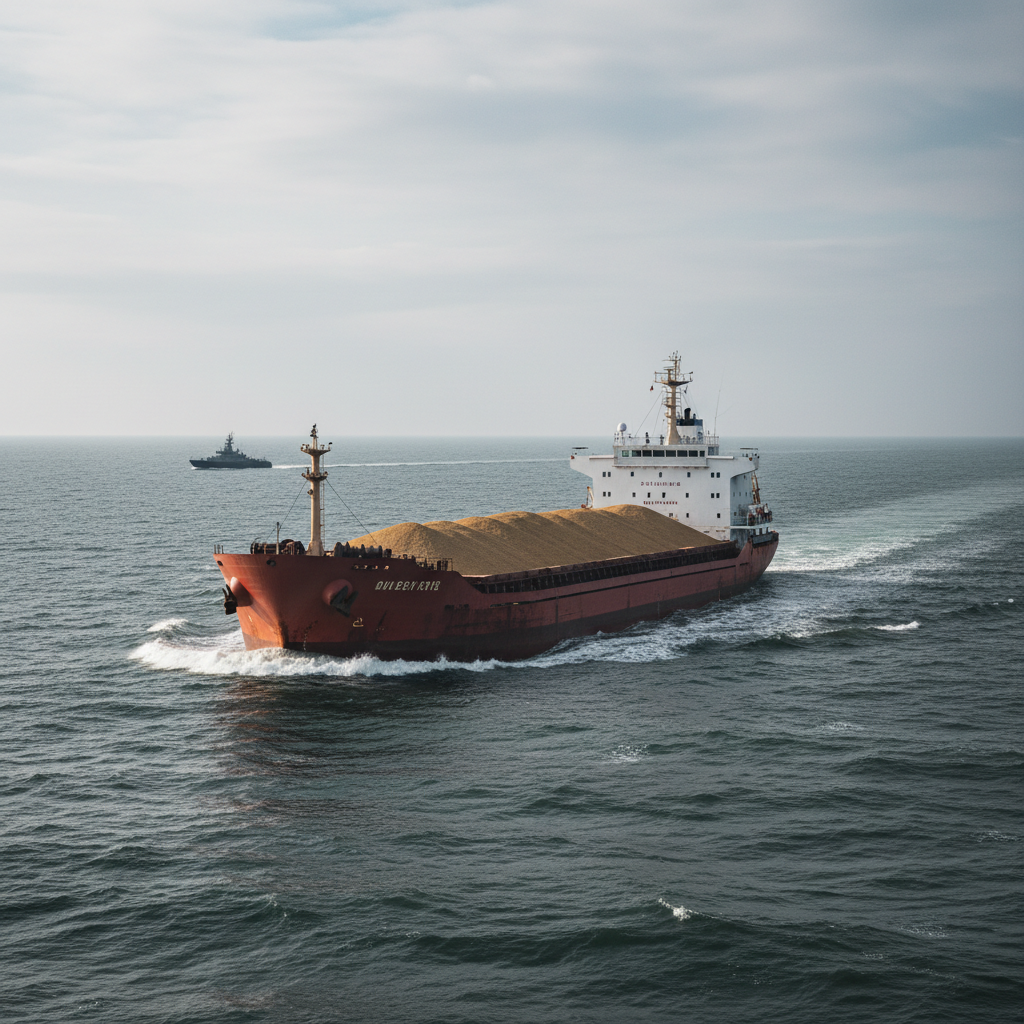
Geopolitical instability has emerged as a paramount challenge for global supply chains, fundamentally altering the landscape of cargo movement. From the redirection of vital shipping lanes to the imposition of economic barriers, the consequences ripple across industries, impacting everything from transit times and operational costs to the availability and pricing of essential commodities. For a shipment-visibility control tower like MGS, understanding these dynamics is not just about tracking goods, but about anticipating disruptions and enabling proactive decision-making in an increasingly volatile world.
Impact on Shipping Routes and Transit Times
Attacks on commercial vessels in critical maritime corridors, such as those recently observed in the Black Sea, compel immediate and significant adjustments to established shipping routes. When a direct passage becomes a zone of heightened risk, carriers are left with few options but to seek alternative, often longer, pathways. This rerouting directly translates into extended transit times, as vessels must circumnavigate danger zones. For instance, a journey that once took days could now stretch into weeks, adding considerable delays to delivery schedules. Longer routes consume more fuel, leading to a direct escalation in operational costs for shipping lines, which are inevitably passed down the supply chain through increased freight rates. Furthermore, the unpredictability introduced by such events makes scheduling and inventory management significantly more complex. Businesses relying on just-in-time (JIT) inventory models find themselves particularly vulnerable, as even minor delays can cascade into production stoppages or stockouts. An MGS platform becomes indispensable here, offering real-time tracking of vessels and dynamic route optimization tools that can identify and suggest safer, albeit longer, alternatives, while simultaneously updating estimated times of arrival (ETAs) to inform downstream logistics and customer expectations.
Airspace and Waterway Restrictions
Geopolitical tensions frequently manifest as explicit or de facto restrictions on airspaces and waterways, creating bottlenecks and capacity constraints that severely impede cargo movement. In the maritime domain, areas like the Black Sea, when subject to attacks on ships, become high-risk zones, leading to reduced vessel availability as some operators may deem the risk too high, or insurance premiums become prohibitively expensive. This scarcity of transport capacity drives up shipping costs and can lead to significant backlogs at ports. Similarly, in air cargo, the closure of national airspaces due to conflict or political disputes forces aircraft to fly longer, indirect routes, burning more fuel and extending flight times. This not only increases costs but also reduces the overall efficiency of air freight networks, limiting the amount of cargo that can be moved within a given timeframe. The cumulative effect is a reduction in global transport capacity for both air and sea, making it harder and more expensive to move goods. For MGS users, this means leveraging advanced analytics to identify congested or restricted areas, assessing the impact on their shipments, and exploring multimodal alternatives or alternative port selections to mitigate delays and costs.
Tariffs, Sanctions, and Trade Barriers
While the immediate impact of physical attacks on shipping lanes is on the movement of goods, broader geopolitical events frequently lead to the imposition of tariffs, sanctions, and other non-tariff trade barriers. These measures, often enacted as political leverage, fundamentally disrupt established trade relationships and supply chain flows. Sanctions can prohibit trade with specific countries or entities, restricting the sourcing or sale of goods, thereby forcing companies to find new suppliers or markets. Tariffs, on the other hand, increase the cost of imported goods, making them less competitive and potentially leading to a shift in sourcing strategies. Such barriers introduce significant compliance complexities, requiring companies to meticulously track the origin, destination, and nature of their goods to avoid legal repercussions and financial penalties. The result is often increased product costs, reduced availability of certain items, and a more fragmented global trading environment. An MGS platform, with its ability to integrate compliance data and provide granular visibility into product origins and destinations, can help businesses navigate this complex regulatory landscape, flagging potential violations and ensuring adherence to international trade laws.
Commodity-Specific Vulnerabilities (e.g., Black Sea Wheat)
The Black Sea region is a critical global breadbasket, particularly for wheat exports. The recent attacks on ships in this area underscore the acute vulnerability of specific commodities to geopolitical disruptions. The immediate consequence, as evidenced by the rise in Euronext wheat prices, is a direct impact on global commodity markets. Disruptions to export trade from such a vital region create uncertainty about supply, leading to price volatility and inflationary pressures. This doesn't just affect the direct buyers of wheat; it has far-reaching ripple effects across the entire food supply chain, impacting livestock feed, processed food manufacturers, and ultimately, consumer prices. For nations heavily reliant on Black Sea grain, such disruptions can pose significant food security challenges, potentially leading to social and economic instability. The MGS platform provides crucial visibility into the movement of such critical commodities, enabling stakeholders to monitor supply chain health, identify potential shortages, and react swiftly to market changes, perhaps by exploring alternative sourcing regions or adjusting inventory strategies to buffer against price shocks.
Role of Shipment Visibility Platforms
In an era defined by geopolitical volatility, shipment visibility control tower platforms like MGS are no longer a luxury but a strategic imperative. They provide the real-time data and predictive analytics necessary to navigate the complex and often unpredictable challenges posed by global events. By offering end-to-end visibility across all modes of transport, MGS empowers supply chain professionals to monitor cargo in transit, detect deviations from planned routes, and anticipate potential delays caused by restricted waterways, airspace closures, or rerouting. The platform's ability to aggregate data from multiple sources — including carrier updates, port operations, and geopolitical risk assessments — allows for a holistic view of the supply chain. This enables proactive decision-making, such as rerouting shipments away from conflict zones, adjusting inventory levels in anticipation of delays, or identifying alternative suppliers to mitigate commodity-specific vulnerabilities. Furthermore, MGS helps in assessing the financial impact of disruptions by providing insights into increased freight costs, demurrage charges, and potential tariff implications, thereby enhancing resilience and ensuring business continuity in the face of unprecedented geopolitical turbulence.
Source: Maritime Professional — https://www.maritimeprofessional.com/news/wheat-prices-rise-after-another-423608