
Navigating the Storm: How Weather is Reshaping Global Cargo Flows
Unpredictable weather patterns are increasingly challenging global supply chains, impacting critical lanes, facilities, and transport modes. This brief explores the multifaceted disruptions caused by atmospheric events and outlines proactive strategies shippers can adopt to maintain resilience and continuity.
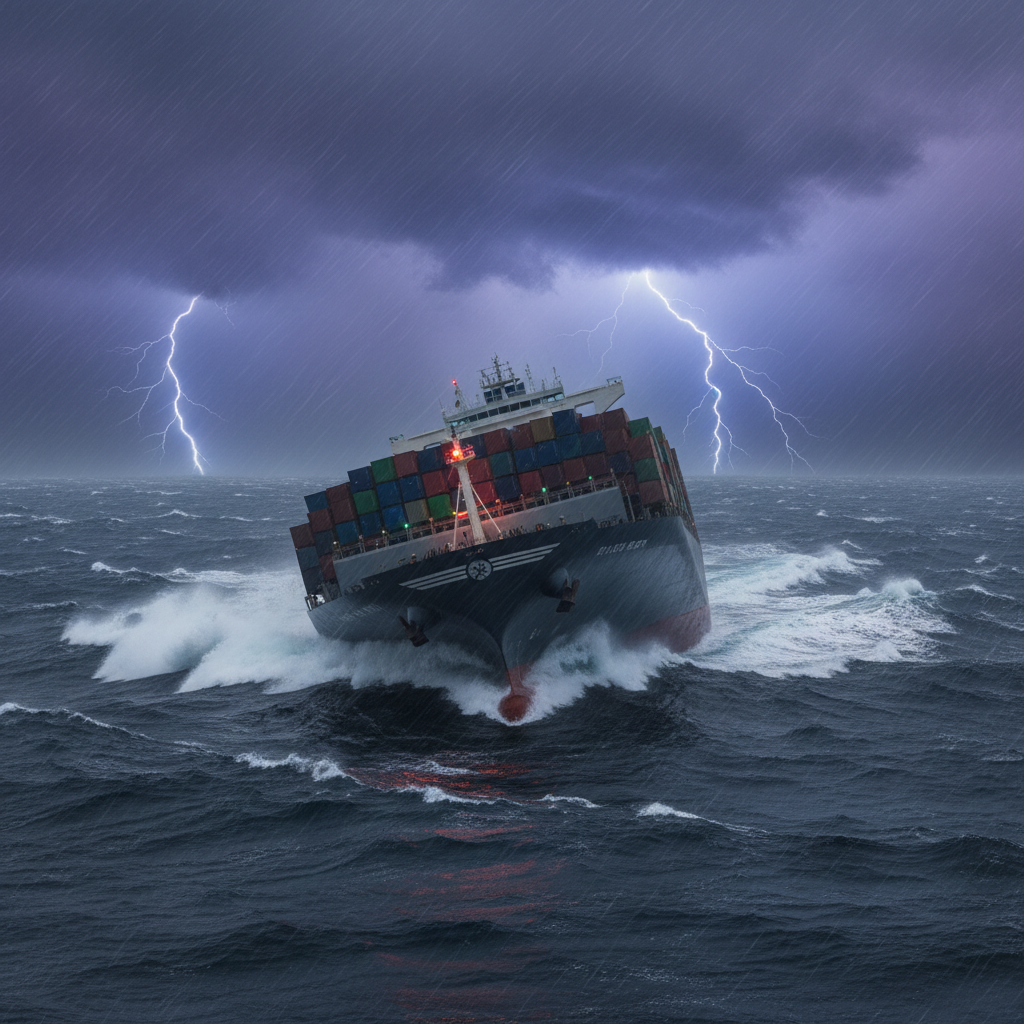
The global supply chain, a complex web of interconnected logistics, is perpetually vulnerable to external forces. While geopolitical tensions or economic shifts often capture headlines, the relentless and increasingly unpredictable impact of weather events presents a pervasive and growing threat to cargo movement worldwide. From extreme heatwaves to unprecedented storms, atmospheric conditions are no longer mere inconveniences but significant disruptors, demanding sophisticated foresight and agile response mechanisms from shippers and logistics providers alike.
Affected Lanes
Weather phenomena exert considerable influence across all major transportation lanes, forcing reroutes, delays, and sometimes complete closures. Maritime shipping, the backbone of global trade, is particularly susceptible. Severe storms, hurricanes, and typhoons necessitate vessels to alter course, adding days or even weeks to transit times, consuming extra fuel, and incurring demurrage charges. Fog can lead to port closures and restricted navigation in critical choke points, causing significant backlogs. Arctic ice melt, while opening new potential routes, also introduces new hazards and unpredictable conditions, requiring specialized vessels and increased risk assessment. Inland waterways, vital for continental cargo movement, are similarly affected; prolonged droughts can reduce river levels, making them impassable for barges, while excessive rainfall can lead to flooding, overwhelming locks and canals.
Air freight, despite its speed, is not immune. Intense storms, heavy snowfall, or even volcanic ash plumes can lead to widespread flight cancellations and diversions, grounding cargo and causing severe delays at origin or destination airports. High winds can restrict operations at air cargo hubs, impacting loading and unloading efficiency. On land, road networks face disruptions from blizzards, floods, and landslides, severing critical last-mile connections and delaying overland freight. Rail lines can be compromised by extreme temperatures causing track buckling, or by heavy snow and ice leading to signal failures and power outages, bringing freight trains to a standstill.
Impacted Facilities
The ripple effects of adverse weather extend directly to critical logistics facilities. Ports and terminals are frequently at the forefront of weather-induced disruptions. High winds can prevent cranes from operating, halting loading and unloading processes. Storm surges and flooding can inundate port infrastructure, damaging equipment, warehouses, and access roads, leading to prolonged closures. Container yards can become congested as vessels are delayed or rerouted, creating bottlenecks that take considerable time to clear even after weather conditions improve. Similarly, airports experience severe operational challenges during extreme weather. Ground crews may be unable to work, runways can become unusable due to snow or ice, and air traffic control systems can be strained, leading to extensive delays and diversions that overwhelm cargo handling facilities.
Warehouses and distribution centers, often located in coastal or flood-prone areas, face risks of direct damage from storms, high winds, or flooding, leading to inventory losses and operational shutdowns. Even facilities in less dramatic climates can be affected by extreme heat, which can impact temperature-sensitive goods or reduce worker productivity. Power outages, a common consequence of severe weather, can cripple automated systems, refrigeration units, and security measures across all types of logistics facilities, further compounding delays and potential losses.
Disrupted Modes
Each mode of transport exhibits unique vulnerabilities to weather's influence. Ocean freight, as mentioned, faces rerouting and significant speed reductions to navigate turbulent seas, increasing fuel consumption and delivery times. The sheer scale of vessels means that even minor deviations can have substantial financial and schedule implications. Air cargo, while offering speed, loses its primary advantage when weather forces cancellations or diversions, pushing time-sensitive goods into alternative, slower modes or causing them to miss critical deadlines. The limited capacity on subsequent flights means backlogs can take days to clear.
Road transport, crucial for door-to-door delivery, is highly susceptible to localized weather events. Icy roads, heavy snow, or flooded highways can render routes impassable, forcing trucks to wait out conditions or take lengthy detours. This not only delays deliveries but also increases operational costs due to extended driver hours, additional fuel, and potential vehicle damage. Rail freight, often seen as a robust alternative, can still be halted by track damage from floods or landslides, or by power supply issues in electrified networks. Extreme heat can impose speed restrictions on trains to prevent track deformation, slowing down transit across vast distances.
Shipper Strategies for Resilience
In an era of increasing weather volatility, shippers must adopt proactive and adaptive strategies to safeguard their supply chains. The first step involves enhanced risk assessment and scenario planning. By analyzing historical weather data and leveraging predictive analytics, shippers can identify high-risk lanes, facilities, and seasonal vulnerabilities, allowing for pre-emptive adjustments.
Diversification of routes and modes is paramount. Relying on a single shipping lane or transport mode increases exposure to localized weather events. Exploring alternative ports, inland routes, or intermodal options can provide crucial flexibility when primary channels are disrupted. For time-sensitive cargo, having contingency plans for switching between air, sea, or rail can mitigate the impact of unforeseen delays.
Real-time shipment visibility is no longer a luxury but a necessity. Platforms like MGS provide critical, granular data on cargo location, status, and estimated arrival times, even amidst disruptions. This allows shippers to monitor weather patterns in real-time along their cargo's journey, anticipate potential delays, and make informed decisions about rerouting or communicating with affected parties. The ability to track a container or pallet across multiple legs of its journey, including transshipment points, empowers logistics teams to react swiftly to changing conditions.
Furthermore, strategic inventory management can buffer against weather-induced delays. Maintaining safety stock levels for critical components or finished goods, where feasible, can prevent stockouts during periods of disruption. Collaborative relationships with suppliers and carriers, fostering open communication, are also vital. Early warnings from partners about impending weather impacts or operational adjustments allow shippers to prepare and adapt more effectively.
Finally, investing in resilient infrastructure and technology can pay dividends. This includes exploring facilities with robust flood defenses, ensuring access to backup power systems, and utilizing advanced telematics in fleets to monitor conditions and optimize routes. By integrating these strategies, shippers can transform weather-related challenges into opportunities for building more robust, responsive, and ultimately, more resilient supply chains.
Source: The Maritime Executive — https://maritime-executive.com/article/ukmto-reports-third-strike-in-a-day-on-a-tanker-in-the-mideast