
Navigating the Storm: How Weather is Reshaping Global Cargo Flows
Unpredictable weather patterns are increasingly challenging global supply chains. This brief examines how meteorological events disrupt key shipping lanes, facilities, and transport modes, and outlines strategies for shippers to enhance resilience and maintain cargo visibility.
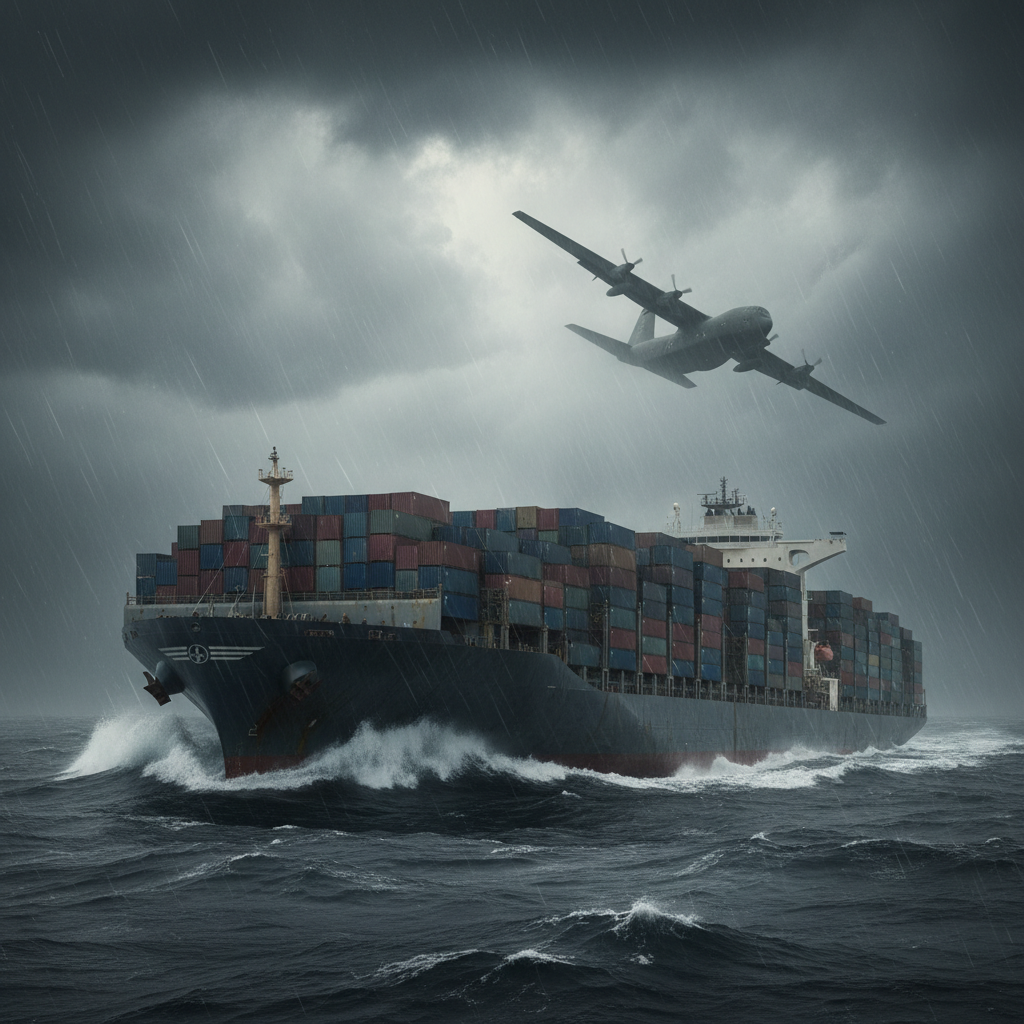
The Growing Impact of Weather on Global Cargo Movement
Global supply chains, inherently complex and interconnected, are facing an escalating challenge from increasingly volatile and extreme weather patterns. From sudden blizzards to prolonged droughts, and from intense hurricanes to widespread flooding, meteorological events are no longer isolated incidents but recurring disruptors that demand strategic attention. The predictability once relied upon in logistics planning is diminishing, replaced by a need for agility and resilience in the face of environmental uncertainty. This shift is driven by a confluence of factors, including climate change, which contributes to the increased frequency and intensity of severe weather phenomena. The ripple effect of a single weather event can extend far beyond its immediate geographical impact, causing bottlenecks, delays, and cost escalations across entire supply networks. Understanding these multifaceted disruptions is the first step toward building more robust and adaptable cargo movement strategies.
Affected Lanes and Routes
Weather events exert significant pressure on all major transportation lanes and routes, forcing diversions, delays, and sometimes complete closures. Each mode of transport faces unique vulnerabilities:
-
Ocean Lanes: Maritime shipping, the backbone of global trade, is particularly susceptible to severe weather. Hurricanes, typhoons, and powerful storms can force vessels to reroute, significantly extending transit times and increasing fuel consumption. Dense fog can reduce visibility to critical levels, necessitating speed reductions or even temporary halts, especially in busy shipping channels. Furthermore, seasonal ice conditions in certain polar or high-latitude regions can render routes impassable or require specialized, ice-strengthened vessels, adding complexity and cost.
-
Air Corridors: Air cargo operations are frequently impacted by atmospheric conditions. High winds, severe thunderstorms, and blizzards can disrupt flight paths, leading to diversions, cancellations, or extensive delays. Volcanic ash clouds, though less frequent, pose a significant threat, capable of grounding entire fleets and closing vast swathes of airspace, as ash particles can damage aircraft engines.
-
Road Networks: Terrestrial transport, crucial for first and last-mile delivery, is highly vulnerable. Heavy snowfall can make roads impassable, leading to closures and stranded vehicles. Widespread flooding can submerge roads, bridges, and underpasses, severing critical links. Extreme heat can cause road surfaces to buckle and even lead to restrictions on vehicle weight or operating hours, affecting delivery schedules and driver safety.
-
Rail Lines: Similar to road transport, rail networks face challenges from severe weather. Flooding can wash out tracks or destabilize embankments, leading to closures. Extreme heat can cause steel rails to expand and buckle, necessitating speed restrictions to prevent derailments. Heavy snow and ice can impede train movement and affect signaling systems, causing widespread delays.
Impact on Facilities
Beyond the routes themselves, critical logistics facilities are also directly impacted by adverse weather conditions, compromising their operational capacity and safety:
-
Ports: Coastal ports are highly exposed to storm surges, high winds, and heavy rainfall. These conditions can halt crane operations, making it impossible to load or unload vessels safely. Container stacking yards can become inaccessible or even damaged, and vessel berthing can become hazardous or impossible. Infrastructure, such as piers and jetties, is also at risk of physical damage, leading to prolonged closures for repairs.
-
Airports: Runways can become unusable due to heavy snow, ice, or excessive flooding, leading to flight diversions or cancellations. Ground operations, including cargo loading and unloading, are often suspended during lightning storms or periods of high winds, directly impacting the flow of air freight. Warehousing facilities at airports are also susceptible to power outages or structural damage from severe weather.
-
Warehouses and Distribution Centers: Inland logistics hubs are not immune. Flooding can inundate facilities, damaging inventory and equipment. Power outages can disrupt automated systems, lighting, and temperature-controlled storage, which is critical for sensitive goods. Extreme temperatures, whether heat or cold, can also affect the working environment for personnel and the integrity of stored products. Access roads to these facilities can also become impassable, preventing inbound and outbound shipments.
-
Border Crossings: Weather events can significantly exacerbate existing delays at international border crossings. Heavy snow, ice, or flooding can reduce the efficiency of inspection processes, create extended queues of vehicles, and even lead to temporary operational halts, impacting cross-border trade flows.
Disruption Across Transport Modes
The operational consequences of weather extend uniquely across each mode of transport:
-
Ocean Freight: Vessels caught in severe storms may need to reduce speed significantly to ensure safety and prevent cargo damage, leading to extended transit times. Diversions to alternative ports or routes can add days or even weeks to a journey, incurring higher fuel costs and potentially missing critical delivery windows. Rough seas also increase the risk of cargo shifting or being damaged within containers, leading to claims and financial losses.
-
Air Cargo: Flight delays and cancellations are common during adverse weather, directly impacting the delivery of time-sensitive and high-value cargo. Rerouting can lead to longer flight paths and increased fuel consumption. Reduced visibility or high winds can also limit the types of aircraft that can operate, leading to capacity reductions and potentially higher air freight costs due to demand surges.
-
Road Transport: Road freight experiences pervasive delays and detours during weather events. Speed limits are often reduced for safety, and drivers may face mandatory rest periods if conditions become too hazardous. Flooding or snow can necessitate lengthy detours, increasing mileage, fuel consumption, and driver hours. The risk of accidents also rises, leading to potential cargo damage or loss and further delays. Last-mile delivery, especially in urban areas, is particularly vulnerable to localized weather impacts.
-
Rail Freight: Track closures due to flooding or damage can bring rail operations to a standstill, causing significant backlogs. Speed restrictions implemented during extreme heat or cold can slow down entire networks. Equipment malfunctions, such as frozen switches or overheated engines, are more common in extreme temperatures. In severe cases, weather can contribute to derailments, leading to extensive damage and prolonged service interruptions.
Mitigating Weather-Related Supply Chain Risks for Shippers
To navigate these increasing weather-related disruptions, shippers must adopt proactive and resilient strategies:
-
Diversification of Routes and Modes: Relying on a single shipping lane or transport mode increases vulnerability. Shippers should explore and pre-qualify alternative routes, carriers, and modes (e.g., shifting from ocean to air for critical components if ocean routes are compromised) to maintain flexibility.
-
Robust Contingency Planning: Develop detailed contingency plans for various weather scenarios. This includes pre-identifying backup facilities, establishing emergency communication protocols with all stakeholders, and having clear decision-making frameworks for rerouting or rescheduling shipments.
-
Strategic Inventory Management: While lean supply chains are efficient, they can be brittle. Strategic buffer stocks for critical components or finished goods, particularly those with long lead times or high demand volatility, can provide a cushion against unexpected weather-induced delays.
-
Enhanced Communication and Collaboration: Foster strong relationships and open communication channels with carriers, logistics partners, and customers. Proactive sharing of weather forecasts and potential impacts allows all parties to prepare and adjust expectations.
-
Data-Driven Forecasting and Intelligence: Leverage advanced weather intelligence services to anticipate severe weather events. Integrating this data into supply chain planning allows for proactive adjustments, such as expediting shipments ahead of a storm or holding back non-critical cargo.
The Role of Shipment Visibility Platforms (MGS)
In this environment of heightened weather uncertainty, a robust shipment visibility control tower platform like MGS becomes an indispensable tool for shippers:
-
Real-time Tracking and Monitoring: MGS provides granular, real-time insights into the location and status of every shipment, across all modes. During a weather event, this immediate visibility is crucial for understanding which shipments are directly impacted, where they are stalled, or if they have been rerouted.
-
Proactive Alerting and Notifications: An MGS platform can be configured to deliver automated alerts when shipments are approaching or are within areas affected by severe weather warnings. This allows shippers to react swiftly, initiate contingency plans, and communicate potential delays to downstream partners and customers before problems escalate.
-
Scenario Planning and Impact Analysis: MGS can integrate weather forecast data with shipment data to model potential impacts. Shippers can visualize alternative routes, estimate new arrival times based on delays, and assess the cost implications of different mitigation strategies, enabling informed decision-making.
-
Enhanced Stakeholder Communication: By centralizing all shipment information and communication, MGS facilitates seamless information sharing among internal teams, carriers, and customers. This ensures everyone is working from the same, up-to-date information, reducing confusion and improving coordination during disruptions.
-
Data for Long-term Resilience: Over time, MGS platforms collect valuable historical data on how weather events have impacted specific lanes, facilities, and carriers. This data can be analyzed to identify recurring vulnerabilities, optimize future route planning, and inform more resilient supply chain designs, moving shippers from a reactive stance to a proactive, data-driven approach to weather risk management.
Source: The Maritime Executive — https://maritime-executive.com/article/decisive-moment-in-gulf-war-houthis-position-to-close-the-bab-el-mandeb