
Navigating the Storm: How Weather Disrupts Global Cargo Movement and What Shippers Can Do
Extreme weather events are increasingly challenging global supply chains, impacting critical lanes, facilities, and modes of transport. This brief examines the multifaceted disruptions caused by weather and outlines proactive strategies for shippers, leveraging real-time visibility platforms.
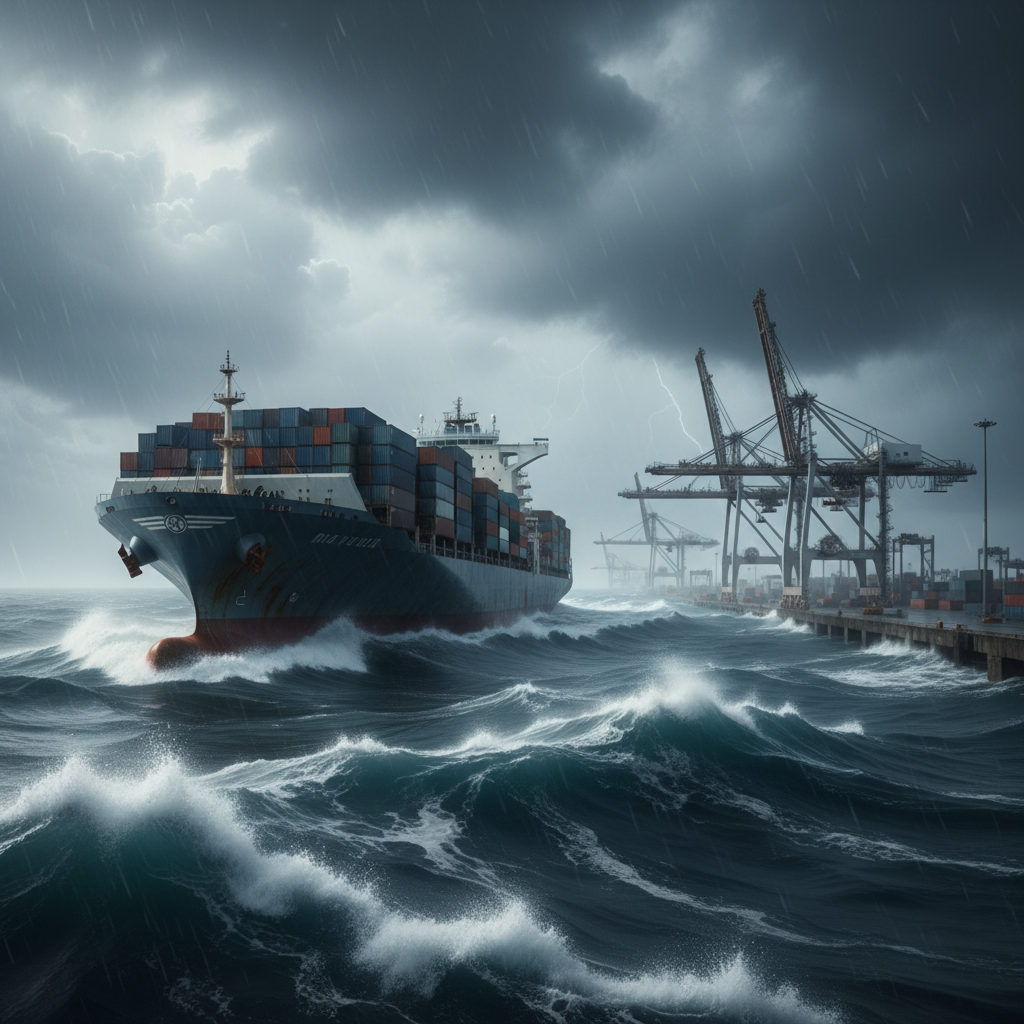
The global supply chain, a complex web of interconnected arteries, is constantly under threat from a myriad of disruptions. While geopolitical events, such as the recent Black Sea blockade impacting crucial wheat shipments – which for one Vietnamese milling company represented roughly a fifth of its annual needs – capture headlines, the insidious and increasingly frequent impact of extreme weather events often poses an equally, if not greater, challenge to cargo movement worldwide. For MGS supply-chain analysts, understanding these weather-induced vulnerabilities is paramount to building resilient and responsive logistics networks.
Lanes Affected by Weather Disruptions
Weather phenomena exert a profound influence on all major transportation lanes, leading to delays, rerouting, and sometimes complete closures. Maritime shipping lanes are particularly susceptible to severe storms, hurricanes, typhoons, and even dense fog. These conditions necessitate vessels to alter courses, slow down, or seek shelter, adding days or weeks to transit times. Arctic routes, while offering potential shortcuts, are subject to unpredictable ice conditions, requiring specialized vessels and often leading to seasonal closures. Air freight lanes face disruptions from high winds, thunderstorms, blizzards, and volcanic ash clouds, resulting in flight cancellations, diversions, and significant backlogs at major hubs. On land, road and rail networks are vulnerable to heavy snowfall, ice storms, flooding from torrential rains, and heatwaves that can warp railway tracks or limit vehicle performance. These events can sever critical inland connections, isolating ports or industrial centers and halting the flow of goods over vast distances.
Facilities Affected by Weather Disruptions
Beyond the routes themselves, the physical infrastructure of the supply chain is highly exposed to extreme weather. Ports, as critical intermodal transfer points, are frequently impacted. Hurricanes and typhoons can cause severe damage to port infrastructure, including cranes, berths, and storage facilities, leading to prolonged closures. Even less severe weather, like high winds or heavy rainfall, can halt container operations, leading to vessel congestion and significant dwell times. Airports face similar challenges; runways can be closed due to snow, ice, or flooding, and high winds can make ground operations unsafe. Warehouses and distribution centers, often located in flood plains or coastal areas for logistical convenience, are at risk of inundation, structural damage, and power outages, compromising stored inventory and halting order fulfillment. Manufacturing plants can experience disruptions to their inbound raw material supply or outbound finished goods dispatch due to compromised local transport infrastructure, creating ripple effects throughout their production schedules.
Modes Affected by Weather Disruptions
Each mode of transport carries its own specific vulnerabilities to weather. Ocean freight, while robust, experiences delays, increased fuel consumption due to rerouting, and potential cargo damage from rough seas. Vessels may be forced to 'heave to' in severe storms, effectively pausing their journey. Air freight, known for its speed, is the most susceptible to immediate cancellation or diversion, leading to significant capacity crunches and price surges when weather grounds fleets. Rail transport can be severely hampered by track damage from floods or landslides, signal failures due to lightning, or speed restrictions during extreme heat or cold, leading to extensive delays and missed connections. Road transport, the most flexible mode, is nonetheless vulnerable to road closures, hazardous driving conditions (ice, snow, fog), and bridge collapses, particularly impacting last-mile delivery and regional distribution. The cumulative effect across modes can cascade, creating bottlenecks and delays across entire supply networks.
What Shippers Can Do
In the face of increasing weather volatility, shippers must adopt proactive and adaptive strategies. The cornerstone of such resilience is comprehensive, real-time shipment visibility, which an MGS control tower platform is designed to provide. Here's how shippers can mitigate weather-related risks:
-
Proactive Monitoring and Alerting: Leverage MGS platforms to integrate real-time weather data with shipment tracking. This allows for early warning of impending severe weather along planned routes or at critical facilities, enabling proactive decision-making before disruptions materialize.
-
Dynamic Rerouting and Mode Shifting: With real-time visibility into global freight movements and weather patterns, shippers can dynamically reroute shipments to avoid affected areas. An MGS control tower can quickly identify alternative lanes, ports, or airports and assess the feasibility of shifting cargo to a different mode (e.g., from ocean to air for urgent cargo, or from rail to truck for shorter distances) to bypass blocked routes.
-
Inventory Pre-positioning and Diversification: Understanding historical weather patterns and future forecasts can inform inventory strategies. Shippers can pre-position critical stock in multiple, geographically dispersed warehouses to mitigate the risk of a single facility being incapacitated. Diversifying sourcing locations can also reduce reliance on specific, weather-prone regions.
-
Enhanced Communication and Collaboration: An MGS platform facilitates seamless communication with carriers, logistics partners, and customers. In the event of a weather disruption, transparent and timely updates on delays, new ETAs, and recovery plans are crucial for managing expectations and maintaining trust.
-
Data-Driven Risk Assessment: Utilize the vast data collected by an MGS control tower to analyze the impact of past weather events on specific lanes, facilities, and carriers. This historical data can inform more robust risk assessments, improve contingency planning, and optimize network design for future resilience.
-
Optimized Insurance and Contractual Agreements: With a clear understanding of weather risks, shippers can negotiate more favorable insurance terms and build weather-related clauses into carrier contracts, defining responsibilities and compensation for delays or damages.
By integrating advanced visibility tools and adopting a proactive, data-driven approach, shippers can transform weather-related challenges from unpredictable crises into manageable operational hurdles, ensuring the continuous flow of goods even in the face of nature's fury.
Source: gCaptain — https://gcaptain.com/the-other-hormuz-black-sea-blockade-threatens-a-food-supply-shock/