
Navigating the New Normal: Geopolitical Friction and Supply Chain Resilience
Geopolitical events are fundamentally altering global cargo movement. From critical waterways like the Strait of Hormuz to shifting air routes and trade policies, the consequences for supply chains are profound, demanding new strategies for resilience and enhanced visibility.
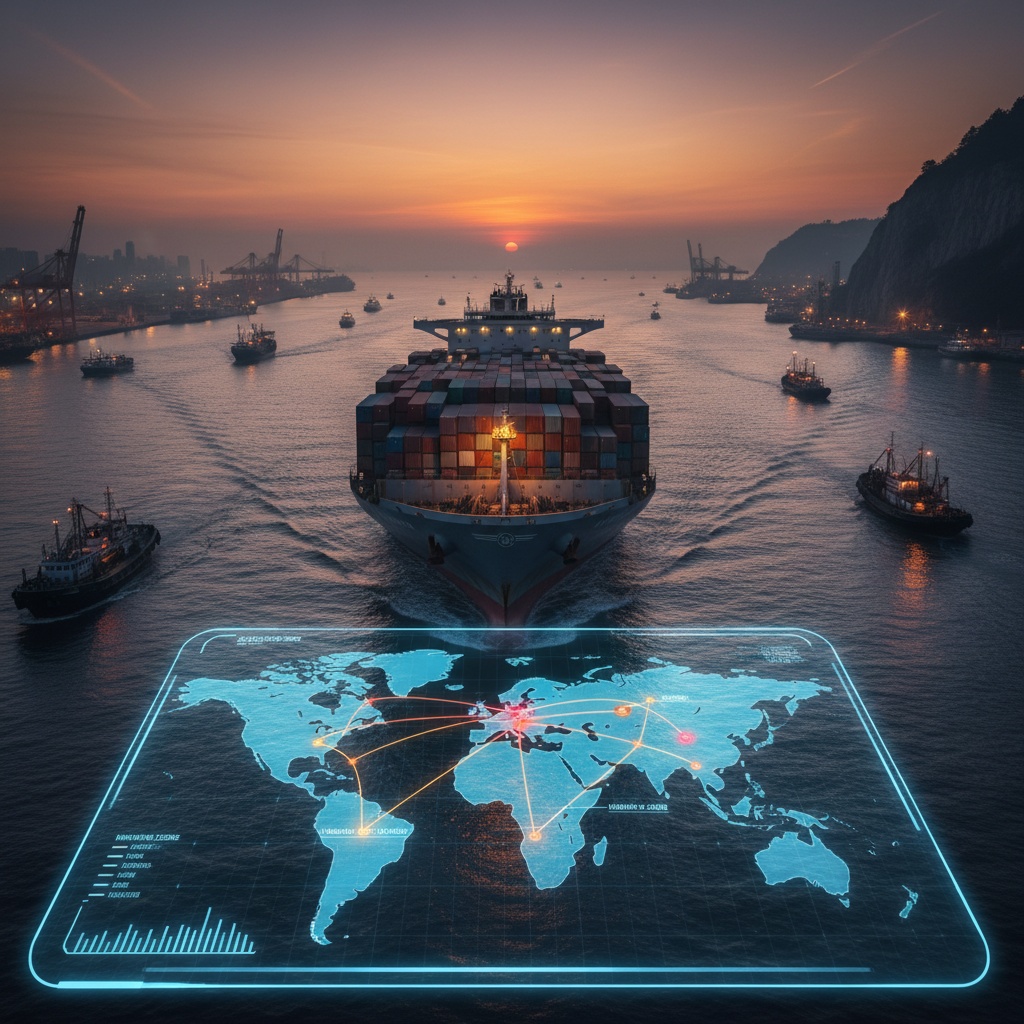
Geopolitical tensions are increasingly shaping the operational landscape for global supply chains, transforming established trade routes, escalating costs, and introducing unprecedented levels of volatility. While the political undercurrents are complex, the tangible impacts on cargo movement — across sea, air, and land — are clear and immediate. For supply chain professionals, understanding these disruptions and adapting operational strategies is paramount to maintaining continuity and competitive advantage.
Waterway Chokepoints: The Strait of Hormuz Case
Critical maritime chokepoints are particularly vulnerable to geopolitical friction, and the Strait of Hormuz stands as a stark contemporary example. Despite vessels technically moving through this vital passage, the commercial reality is far from normal. Our analysis indicates that visible AIS traffic remains well below pre-war levels, signifying a significant reduction in routine commercial confidence and activity. This isn't merely about physical access; it's about the perceived and actual risk associated with transit. Operators are compelled to delay sailings, reconsider planned voyages, or selectively proceed with transits, often opting for longer, more expensive alternative routes to circumvent perceived dangers. The strategic importance of the Strait, through which a substantial portion of the world's oil and gas transits, means that any disruption here sends ripples across global energy markets and, by extension, the entire manufacturing and distribution ecosystem. The consequence for trade is extended lead times, increased fuel consumption for diverted vessels, and a general slowdown in the velocity of goods, impacting everything from raw material delivery to finished product distribution.
The Cost of Uncertainty: Escalating Operational Expenses
The immediate and most direct financial consequence of heightened geopolitical risk in critical zones is the dramatic increase in operational costs. In areas like the Strait of Hormuz, war-risk premiums for insurance have become high, representing a significant additional burden on shipping companies. These elevated premiums are not isolated; they are passed down the supply chain, manifesting as higher freight rates for shippers and, ultimately, increased costs for consumers. Beyond insurance, the necessity for enhanced security measures, potential rerouting around conflict zones, and the associated increase in fuel consumption all contribute to a ballooning cost base. This financial strain can erode profit margins for businesses and, in some cases, render certain trade lanes economically unfeasible. The unpredictability of these costs makes accurate budgeting and long-term planning exceptionally challenging, forcing companies to bake in higher contingency costs or absorb losses, further impacting overall trade competitiveness.
Airspace Contention: Rerouting and Delays in Air Cargo
Geopolitical events are not confined to maritime routes; they profoundly impact air cargo operations as well. Conflicts and political disputes frequently lead to the declaration of no-fly zones or restrictions over vast swathes of airspace. This forces air carriers to reroute flights, often adding thousands of kilometers to journeys. The consequences are multifaceted: significantly longer flight times, increased fuel consumption, and higher operational costs. For industries reliant on expedited air freight — such as high-tech, pharmaceuticals, and perishable goods — these delays can be critical, impacting product freshness, time-to-market, and inventory management. The reduced capacity on preferred routes due to rerouting can also lead to bottlenecks and increased demand for available cargo space, driving up air freight rates. The cumulative effect is a less efficient, more expensive, and less predictable global air cargo network, directly affecting the speed and reliability that air freight is typically chosen for.
Trade as a Weapon: Tariffs, Sanctions, and Supply Chain Restructuring
Beyond physical disruptions to routes, geopolitical tensions increasingly manifest as economic warfare through tariffs and sanctions. These policy tools are designed to exert pressure, but their collateral damage extends deep into global supply chains. Tariffs increase the cost of imported goods, making them less competitive and often forcing companies to absorb costs or pass them onto consumers. Sanctions can be even more disruptive, prohibiting trade with specific countries, entities, or individuals, thereby severing established supply relationships overnight. The consequence for trade is a forced restructuring of supply chains, as companies seek new sourcing locations, manufacturing hubs, and distribution partners to comply with regulations and mitigate risks. This often involves significant investment in new infrastructure, qualifying new suppliers, and navigating complex regulatory landscapes, leading to increased operational complexity, higher costs, and potential delays in product availability. The push for 'de-risking' and 'friend-shoring' is a direct response to this geopolitical weaponization of trade.
The Cumulative Impact: Heightened Volatility and Operational Strain
The combined effect of waterway disruptions, airspace restrictions, escalating costs, and trade policy shifts is a global supply chain operating under immense and sustained strain. The predictability that once underpinned global logistics has diminished, replaced by pervasive volatility. Lead times become inconsistent, inventory management grows more complex, and the risk of stockouts or overstocks increases. The behavior of operators to delay, reconsider, or selectively proceed with transits, as observed in the Strait of Hormuz, is indicative of a broader industry-wide caution. This environment demands greater agility, deeper risk assessment capabilities, and the ability to react swiftly to unforeseen events. Businesses must contend with a landscape where historical data is less reliable for forecasting, and real-time intelligence becomes the primary driver for operational decisions.
Enhancing Resilience Through Real-time Visibility
In this era of persistent geopolitical disruption, the value of a robust shipment-visibility control tower platform like MGS is more pronounced than ever. Such a platform provides the critical, real-time data necessary to navigate dynamic and unpredictable environments. By offering end-to-end visibility across all modes of transport, MGS empowers analysts to immediately identify when shipments are impacted by rerouting, delays, or cost increases. Predictive analytics can model the impact of potential disruptions, allowing for proactive adjustments to inventory, alternative routing strategies, and revised delivery schedules. This enhanced visibility enables businesses to make informed decisions rapidly, communicate transparently with stakeholders, and ultimately build more resilient supply chains capable of withstanding the shocks of geopolitical friction. It transforms reactive responses into strategic, data-driven actions, mitigating financial losses and preserving customer trust amidst global uncertainty.
Source: Dryad Global — https://channel16.dryadglobal.com/strait-of-hormuz-shipping-risk-commercial-operators