
Navigating the Green Wave: IMO's Net-Zero Push and Supply Chain Impact
The International Maritime Organization's pursuit of a Net-Zero Framework signals a transformative era for global shipping. This brief analyzes how impending global rules will reshape supply chain flows, capacity, and costs, and highlights how MGS's visibility platform can empower businesses to adapt and thrive in this evolving landscape.
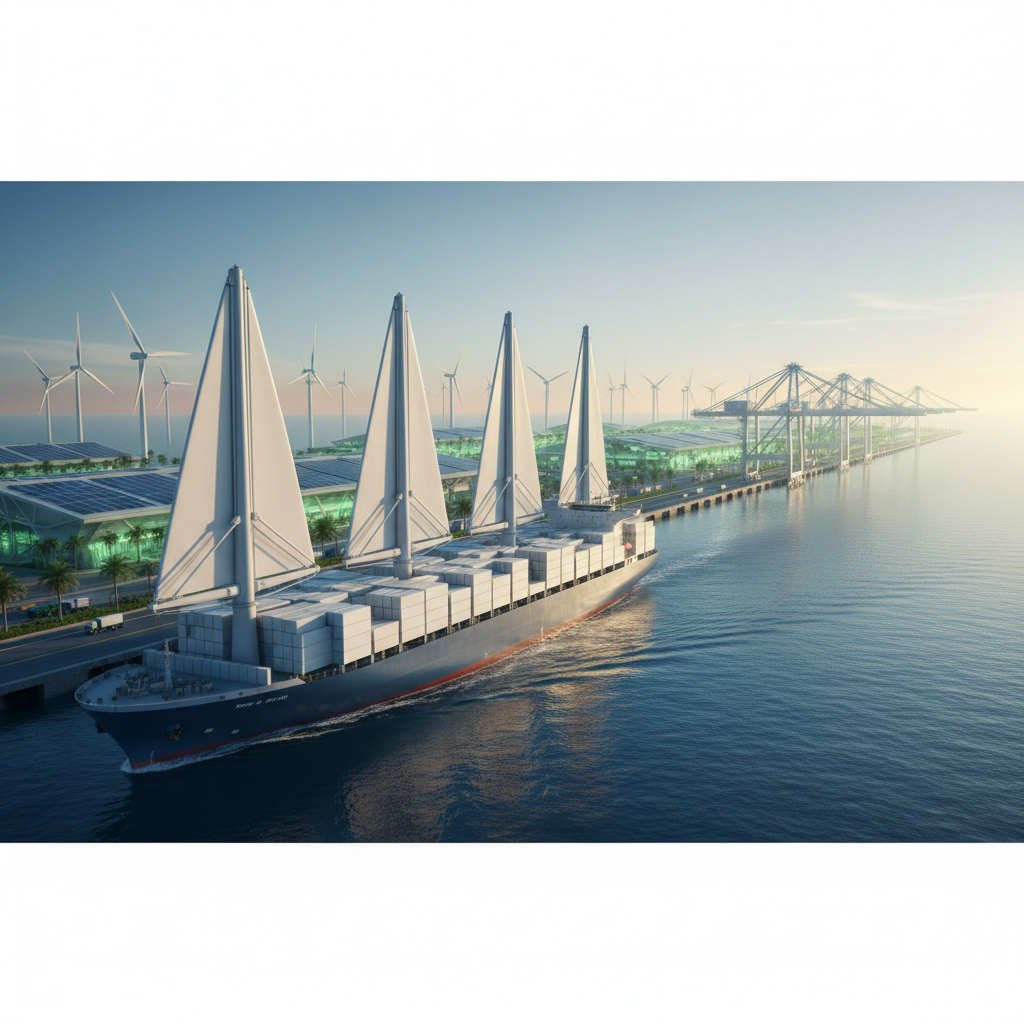
How this impacts the global supply chain
The International Maritime Organization's (IMO) ongoing efforts to establish a Net-Zero Framework for maritime shipping represent a pivotal shift that will profoundly impact global supply chains. The very essence of a 'net-zero' target for an industry as carbon-intensive as shipping implies a radical departure from current operational norms, necessitating a transition away from conventional fossil fuels to alternative, low-carbon energy sources. This transformation is not merely about fuel; it encompasses engine technology, vessel design, and the entire logistical infrastructure supporting global trade.
Firstly, the pursuit of net-zero will inevitably alter supply chain flows and routes. The availability and cost of new fuels—such as green ammonia, methanol, hydrogen, or advanced biofuels—are unlikely to be uniform across all ports globally. This disparity could compel vessels to make additional bunkering stops in strategically located ports equipped to handle these novel fuels, potentially extending transit times. Furthermore, a key strategy for reducing emissions is 'slow steaming,' where vessels operate at reduced speeds to conserve fuel. If mandated or incentivized by global rules, slow steaming will inherently lengthen delivery schedules, directly impacting the predictability and lead times crucial for modern supply chains. This could necessitate a re-evaluation of established shipping lanes and the optimization of routes based not just on distance and cost, but also on fuel availability and emissions compliance.
Secondly, shipping capacity is poised for significant adjustments. The transition to a net-zero fleet will demand substantial capital investment in either new vessel builds designed for alternative fuels or extensive retrofitting of existing ships. During periods of new construction and conversion, a temporary reduction in the active shipping fleet is a plausible outcome. Older, less efficient vessels that cannot be economically upgraded to meet new emission standards may face premature retirement, further tightening available capacity in the short to medium term. This potential capacity crunch, combined with longer transit times, could place considerable strain on global logistics networks, leading to increased competition for space and potentially higher shipping costs.
Lastly, operational complexity for carriers will escalate. Managing a diverse fleet that might include vessels running on multiple fuel types, complying with a tapestry of evolving global and potentially regional emission standards, and accurately reporting on emissions will add layers of administrative and technical challenges. This increased complexity can translate into higher operational costs, greater demand for specialized crew training, and potentially affect service reliability if not meticulously managed. Shippers will need to adapt their planning to these new operational realities, which will demand greater flexibility and transparency throughout their supply chains.
Global financial impact
The financial ramifications of the IMO's Net-Zero Framework will be far-reaching, affecting every stakeholder in the global trade ecosystem, from carriers and shippers to end consumers.
For shippers, the most immediate and tangible impact will be a rise in freight costs. Carriers will inevitably pass on the substantial expenses associated with complying with new environmental regulations. These costs include the significant capital expenditure required for acquiring new, greener vessels or retrofitting existing ones, the generally higher price of alternative fuels compared to traditional heavy fuel oil, and the increased operational and administrative burdens of managing a compliant fleet. We can anticipate the introduction of new environmental surcharges or adjustments to existing bunker adjustment factors (BAFs) that reflect these escalating environmental costs. This will directly impact the landed cost of goods, potentially altering pricing strategies and even influencing sourcing decisions as businesses seek to mitigate rising transport expenses.
Carriers face the most acute financial challenge, shouldering the immense investment burden required for this green transition. The capital outlay for developing and deploying net-zero technologies, building new vessels, or extensively retrofitting existing ones is projected to be in the trillions of dollars globally over the coming decades. This includes not only the vessels themselves but also investments in research and development for new propulsion systems, and collaboration with port authorities and energy providers to develop the necessary bunkering infrastructure for alternative fuels. While this transformation presents opportunities for innovation and competitive advantage for early adopters, it also carries substantial financial risk. Smaller shipping companies may struggle to access the necessary capital, potentially leading to industry consolidation or increased reliance on financing solutions that factor in environmental compliance. Furthermore, the higher operational costs associated with alternative fuels and increased regulatory reporting will put pressure on carriers' profit margins, necessitating careful financial planning and potentially leading to higher service charges.
Ultimately, the increased cost of maritime transport will ripple through trade at large, impacting the global economy. Higher freight costs contribute directly to the overall cost of goods, potentially leading to inflationary pressures on consumer products across various sectors. For industries heavily reliant on international trade, such as manufacturing, retail, and agriculture, these cost increases could necessitate fundamental adjustments to their supply chain strategies. Businesses might explore options like regionalizing supply chains to reduce shipping distances, investing in more efficient inventory management to offset longer transit times, or diversifying their carrier portfolios to manage risk. While the push for global rules aims to create a level playing field and prevent 'greenwashing,' the transition costs are unavoidable and will influence the competitiveness of various trade routes and commodities, potentially shifting global trade patterns over time.
How MGS can help navigate today's global trade environment
In an era defined by the IMO's push for a Net-Zero Framework and the impending global rules, the complexities of international shipping will only multiply. A shipment-visibility control tower platform like MGS becomes an indispensable tool for operators seeking to maintain resilience, optimize performance, and ensure compliance in this evolving landscape.
Enhanced Visibility for Compliance Monitoring and Proactive Planning: As new environmental mandates take effect, real-time, granular visibility over shipments becomes paramount. MGS provides the capability to track vessels with precision, allowing shippers to monitor carrier performance against emerging environmental KPIs. For instance, if regulations mandate specific fuel usage in designated emission control areas or require adherence to slower steaming schedules, MGS can help identify if carriers are meeting these requirements. This data provides crucial insights for accountability, potential negotiation with carriers, and validating green claims. Furthermore, MGS's predictive analytics can help anticipate the impact of these changes—such as extended transit times due to alternative fuel bunkering stops or potential capacity reductions from vessel retrofits—enabling businesses to proactively adjust inventory levels, re-evaluate lead times, and optimize their overall logistics planning.
Data-Driven Carrier Performance Evaluation and Selection: The transition to net-zero shipping will differentiate carriers based on their commitment and capability to comply with new environmental standards. MGS offers a robust platform to collect and analyze carrier performance data, including metrics related to sustainability and adherence to new regulations. Shippers can leverage this information to objectively assess which carriers are best positioned to meet future net-zero requirements, ensuring their supply chains remain compliant and resilient. This data-driven approach informs procurement decisions, fostering partnerships with environmentally responsible carriers and mitigating the risk of non-compliance penalties or disruptions caused by carriers failing to adapt. It transforms carrier selection from a cost-only decision to one that integrates environmental performance and long-term sustainability.
Optimizing for New Operational Realities and Risk Mitigation: The shift to a net-zero framework introduces new variables and potential points of disruption into the supply chain. While MGS does not directly manage vessel operations, it provides the critical data layer that allows shippers to adapt to these new realities. By offering a comprehensive, real-time view of shipments across all modes, MGS helps integrate the maritime leg's evolving dynamics—such as altered routes, longer transit times, or capacity fluctuations—into the broader supply chain strategy. This enables better inventory management, more accurate order fulfillment, and enhanced overall operational efficiency in a greener, yet more complex, shipping landscape. The platform's ability to highlight potential delays or deviations early allows for swift mitigation strategies, protecting against the financial and reputational risks associated with non-compliance or supply chain interruptions in a rapidly changing regulatory environment.
Source: Global Trade Magazine — https://www.globaltrademag.com/imo-members-seek-compromise-on-net-zero-framework-as-shipowners-push-for-global-rules/