
Maersk Rotterdam Cross-Dock: Accelerating European Supply Chain Flow
An overview of Maersk's strategic cross-dock hub in Rotterdam, highlighting how speed, flexibility, and connectivity help keep cargo moving efficiently through Europe's gateway.
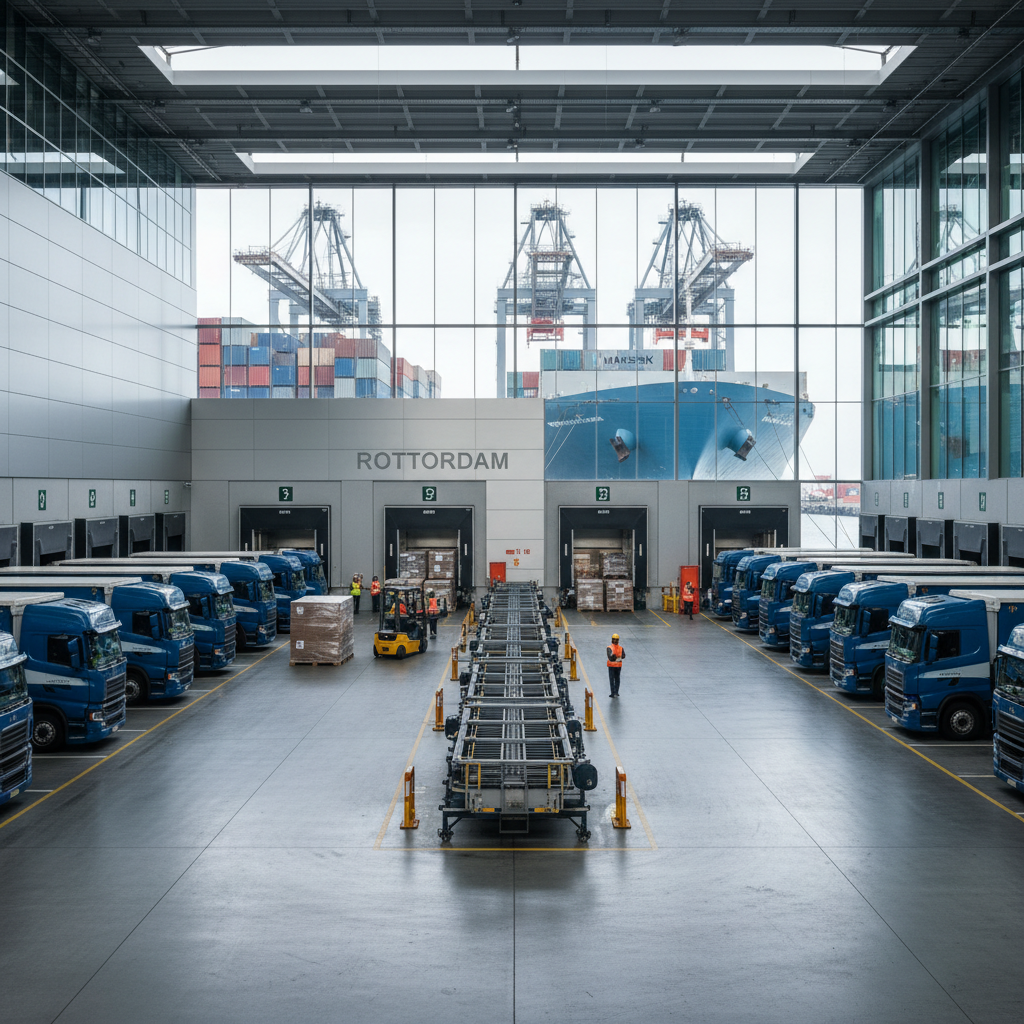
As supply chain professionals, we know that the difference between a resilient network and a bottleneck often lies in the efficiency of key transit nodes. This video from Maersk, published in July 2026, focuses on the strategic importance of their Rotterdam cross-dock facility. Rather than traditional warehousing, this hub emphasizes rapid transshipment and connectivity, designed to accelerate flow rather than store inventory for long periods.
The content highlights three core pillars: speed, flexibility, and connectivity. For logistics managers overseeing European distribution, understanding how a cross-dock model operates at a major gateway like Rotterdam is critical. It demonstrates how cargo can be kept in motion during peak times or when disruptions threaten to stall traditional routes. By leveraging this hub, shippers can potentially reduce dwell times and maintain visibility over goods as they transition through one of Europe’s most vital ports.
This resource is particularly relevant for those evaluating contract logistics options or seeking to optimize inventory turnover in the European market. It offers a glimpse into how major carriers are adapting infrastructure to meet the demand for faster, more agile supply chains. While the video serves as a promotional piece for Maersk’s specific capabilities, the operational principles discussed—utilizing strategic hubs for cross-docking to enhance flow—are universally applicable to modern logistics planning. For our control tower insights, this represents a tangible example of how physical infrastructure innovations directly impact shipment visibility and transit efficiency.
Source: Maersk (YouTube) — https://www.youtube.com/watch?v=NN96Pt3yiJg