
Insight Brief: Max Estates' Strategic Delhi Entry and Its Financial & Operational Implications
Max Estates' recent acquisition of 84.71 acres in West Delhi, valued at Rs 420 crore, is a masterclass in strategic value creation. This brief analyzes how the move optimizes working capital and cash flow, unlocks significant revenue and high-margin opportunities, and positions the company for robust future growth, projecting Rs 10,000-12,000 crore in revenue.
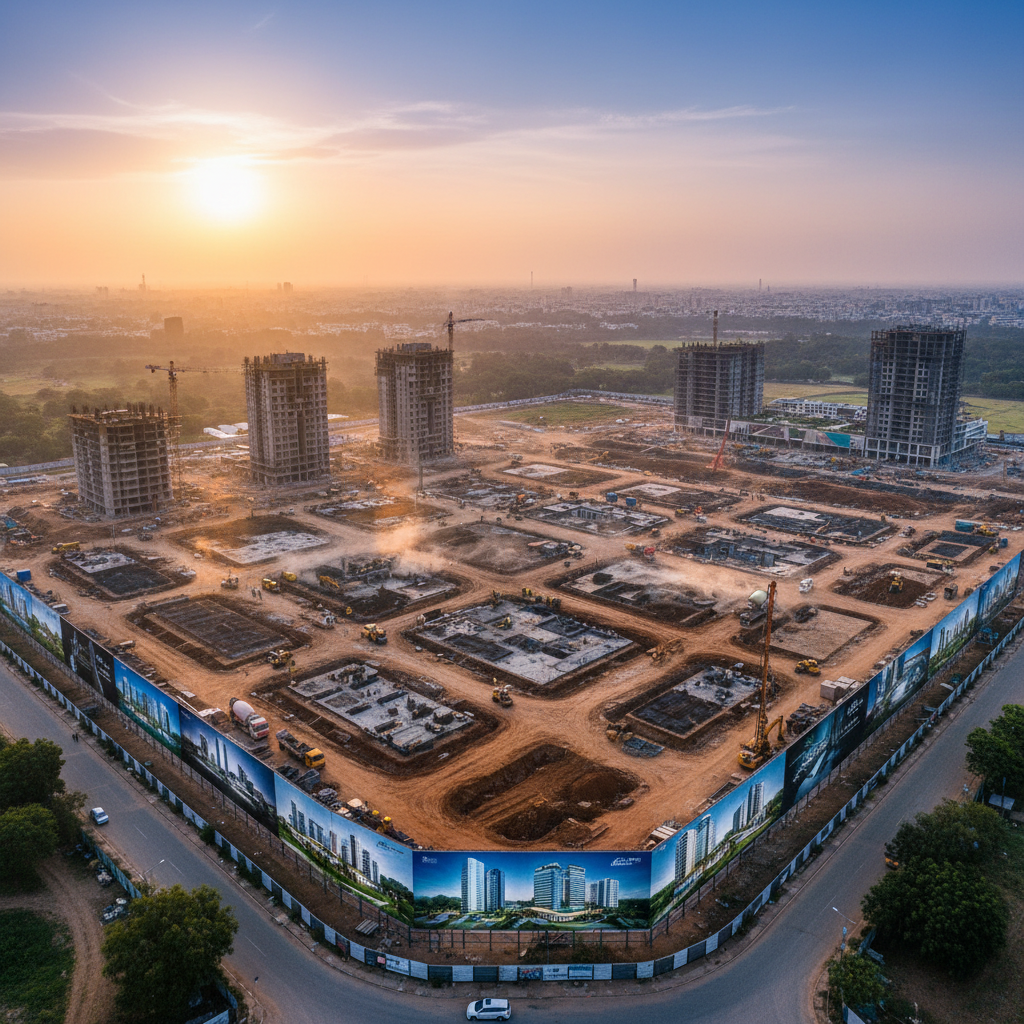
Working capital optimization
Max Estates' acquisition of 84.71 acres in West Delhi for Rs 420 crore exemplifies astute working capital optimization, particularly through its financing structure. The crucial detail that this significant land purchase was made "without immediate cash expenditure" highlights a strategic approach to preserving liquidity. In a capital-intensive industry like real estate development, tying up substantial cash in land assets upfront can severely restrict a company's financial agility. By deferring the Rs 420 crore cash outlay, Max Estates effectively retains this capital within its operational cycle.
This deferral means that the company's existing cash reserves remain available for other critical business functions. These could include funding initial project planning and design, securing necessary permits, or even allocating resources to other ongoing developments. Such a move enhances the company's current ratio and quick ratio, indicators of short-term financial health, by keeping cash liquid rather than converting it into a non-current asset immediately. This strategic financial maneuver minimizes the need for short-term borrowing to cover operational expenses or other urgent requirements, thereby reducing interest costs and financial risk.
Furthermore, optimized working capital allows for greater flexibility in responding to market dynamics or unforeseen challenges during the multi-year development cycle of large-scale residential and commercial projects. It provides a buffer, enabling the company to invest in value-added activities that can accelerate project timelines or enhance project quality without straining immediate cash flows. For instance, having liquid capital can facilitate prompt payments to contractors or suppliers, potentially securing better terms or ensuring uninterrupted progress. In the broader context of project management, a robust shipment-visibility control tower (MGS) could further bolster working capital efficiency. By providing real-time insights into the movement of construction materials and equipment, an MGS helps to optimize inventory levels, reducing the capital tied up in stored goods and preventing costly delays that could necessitate additional working capital injections. This synergy between strategic financing and operational visibility creates a powerful mechanism for sustained financial health.
Cash flow optimization
The strategic decision to acquire the 84.71-acre parcel in West Delhi "without immediate cash expenditure" is a direct and powerful demonstration of cash flow optimization. This approach fundamentally alters the timing of a substantial financial commitment, which would typically be a significant drain on immediate cash resources. An acquisition cost of Rs 420 crore, if paid upfront, would represent a considerable outflow, impacting the company's ability to fund its day-to-day operations, service existing debts, or pursue other investment opportunities.
By structuring the deal to avoid an immediate cash payment, Max Estates safeguards its operational cash flow. This means the company can continue to generate and utilize cash from its existing projects and operations without the immediate pressure of funding this large land purchase. The deferred payment effectively provides a form of interest-free financing for the land acquisition, at least for the initial period, allowing the company to retain and deploy its cash more strategically. This improves the company's free cash flow in the short to medium term, providing greater financial resilience and the capacity to reinvest in growth.
The positive impact on cash flow extends beyond mere deferral. It enables Max Estates to potentially leverage the acquired land for development and begin generating revenue before the full cash payment for the land is due. This creates a virtuous cycle where future project revenues can contribute towards funding the land acquisition itself, rather than relying solely on existing capital. For large-scale developments like those planned on this 84.71-acre site, effective cash flow management is paramount to ensure project continuity and prevent liquidity crises. A robust shipment-visibility control tower (MGS) plays a complementary role here by ensuring the timely and efficient delivery of construction materials. By minimizing delays and disruptions in the supply chain, an MGS helps keep projects on schedule, which in turn ensures that revenue milestones are met promptly, leading to predictable and optimized cash inflows from sales and project completions.
Revenue optimization
The acquisition of 84.71 acres in West Delhi is a foundational step towards significant revenue optimization for Max Estates, with projected revenues ranging between Rs 10,000 crore and Rs 12,000 crore. This substantial revenue potential, relative to the Rs 420 crore land acquisition cost, underscores a strategic play to maximize value from a prime asset. The sheer scale of the land parcel allows for comprehensive, integrated development, encompassing both residential and commercial projects. This mixed-use approach is a proven strategy for revenue optimization, as it enables the developer to cater to diverse market segments, thereby broadening the potential customer base and mitigating risks associated with reliance on a single property type.
By entering Delhi's housing market, Max Estates is tapping into a dynamic and high-demand urban environment, which typically supports premium pricing and robust sales volumes. The large acreage provides the flexibility to design and execute multiple phases of development, allowing the company to adapt to evolving market conditions and optimize product mix over time. This phased approach can help in timing product launches to capitalize on peak demand periods, further enhancing revenue generation.
Moreover, the ability to develop a master-planned community or integrated commercial hub on such a large site often allows for the creation of unique value propositions, such as extensive amenities, superior infrastructure, and a distinct brand identity. These elements can command higher sales prices and lease rates, directly contributing to the upper end of the projected Rs 10,000-12,000 crore revenue range. The strategic location in West Delhi further enhances this revenue potential by offering accessibility and desirability to a broad spectrum of buyers and tenants, ensuring strong market absorption for the forthcoming projects.
High-growth opportunities
Max Estates' acquisition of 84.71 acres in West Delhi is a clear indicator of its pursuit of high-growth opportunities, strategically positioning the company for substantial expansion. The move is explicitly described as paving "the way for future residential and commercial projects" and ensuring "robust future growth." This single land parcel, acquired for Rs 420 crore, is projected to unlock an impressive revenue potential of Rs 10,000 crore to Rs 12,000 crore, representing a significant multiplier on the initial investment and a substantial contribution to the company's overall growth trajectory.
Entering Delhi's housing market represents a strategic geographical expansion into one of India's largest and most dynamic real estate markets. This diversification reduces reliance on existing operational geographies and opens up new avenues for market penetration and brand building. The acquisition "significantly enhances its land portfolio," providing a long-term pipeline of development opportunities that can sustain growth for many years. Such a large land bank allows Max Estates to plan and execute multiple projects sequentially or concurrently, ensuring a continuous stream of new offerings to the market.
The scale of the projected revenue, Rs 10,000-12,000 crore, from this single acquisition underscores the magnitude of the growth opportunity. This is not merely incremental growth but a transformative expansion that can significantly elevate Max Estates' market presence and financial scale. The development of both residential and commercial projects on the site further diversifies the growth avenues, allowing the company to capitalize on different market cycles and demand trends within the Delhi region. This strategic investment in a high-potential market, coupled with a substantial revenue outlook, firmly establishes this acquisition as a cornerstone of Max Estates' high-growth strategy.
High-margin opportunities
The financial metrics associated with Max Estates' land acquisition in West Delhi strongly suggest significant high-margin opportunities. With an investment of Rs 420 crore for 84.71 acres and an estimated revenue potential of Rs 10,000 crore to Rs 12,000 crore, the implied revenue-to-land-cost ratio is exceptionally high, ranging from approximately 23.8x to 28.5x. While this ratio does not account for development, construction, marketing, and operational costs, it provides a compelling initial indicator of the potential for substantial gross margins on the completed projects.
The strategic location in West Delhi, a major urban center, likely allows Max Estates to command premium pricing for its residential and commercial offerings. Properties in well-connected and desirable urban areas typically yield higher per-square-foot values, contributing directly to enhanced profitability. The ability to develop a large, integrated project on 84.71 acres also presents opportunities for economies of scale in construction and procurement, which can further contribute to margin expansion by reducing per-unit development costs.
Furthermore, the structure of the acquisition, "without immediate cash expenditure," indirectly supports higher margins by reducing immediate financing costs. By deferring the Rs 420 crore payment, Max Estates avoids interest expenses that would typically be incurred if the land were purchased with borrowed capital upfront. This financial flexibility allows the company to allocate its capital more efficiently, potentially investing in higher-quality materials or amenities that justify premium pricing, thereby enhancing the perceived value and ultimately the profitability of the developments. The combination of strategic location, large-scale development potential, and astute financial structuring positions Max Estates to capitalize on substantial high-margin opportunities from this significant land acquisition.
Source: The Economic Times Markets — https://economictimes.indiatimes.com/markets/digital-real-estate/realty-news/max-estates-buys-85-acre-land-in-delhi-to-build-projects-eyes-rs-10000-12000-cr-revenue/articleshow/133610841.cms