
IMO Calls for Stronger Protections Amidst Persistent Shipping Attacks
The International Maritime Organization is urging enhanced safeguards for merchant vessels and their crews as ongoing attacks in the Middle East, Red Sea, and Black Sea continue to disrupt global cargo movement. Shippers and forwarders face escalating risks and operational challenges in these critical trade arteries.
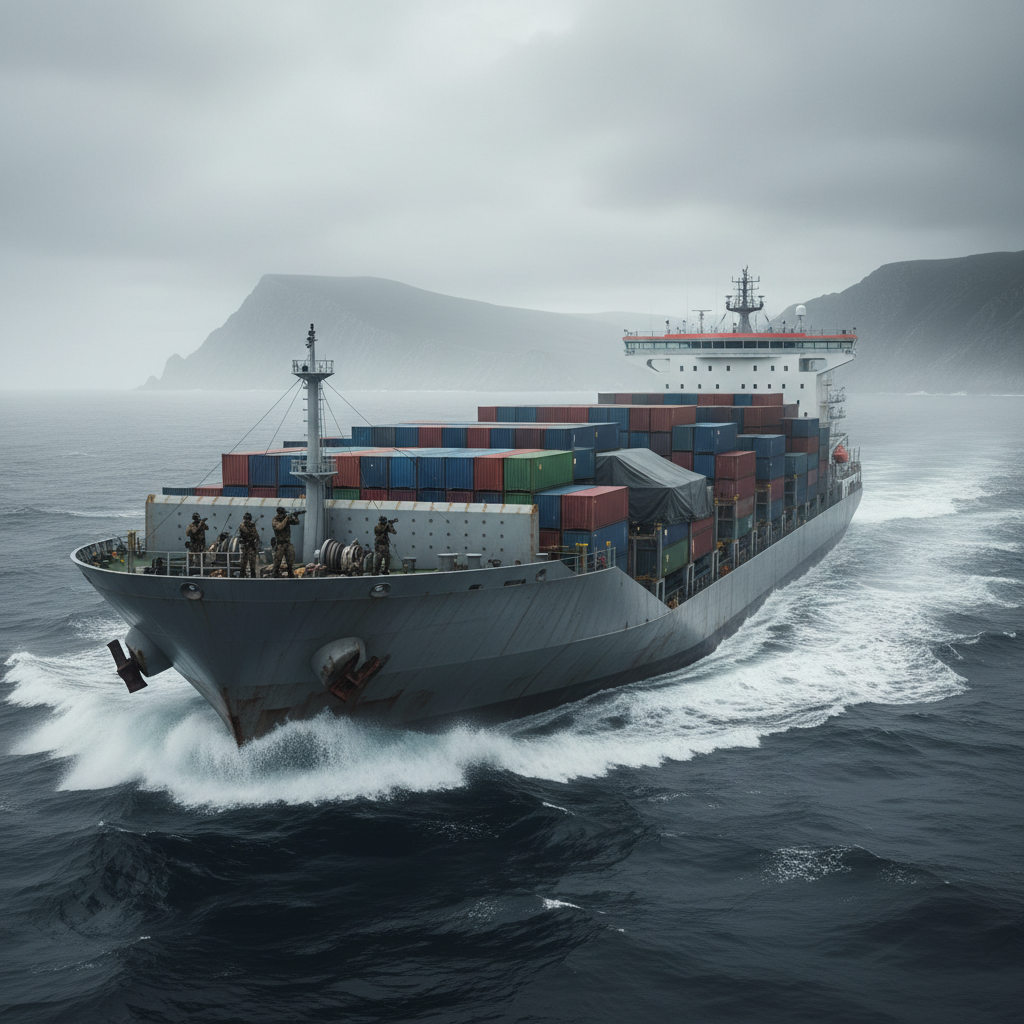
IMO Highlights Human Cost in Middle East, Red Sea, and Black Sea Shipping Lanes
The global supply chain community is once again confronted with severe challenges stemming from persistent security threats in key maritime regions. The International Maritime Organization (IMO) has recently voiced significant concern regarding the continuous attacks targeting commercial shipping, specifically highlighting the Middle East, Red Sea, and Black Sea. This underscores a critical and often overlooked aspect of supply chain disruption: the human element. Seafarers, the backbone of global trade, are increasingly operating under perilous conditions, facing direct threats to their safety and well-being. The IMO's call for stronger protections is a stark reminder that these are not merely economic disruptions but situations with profound human costs.
The regions identified are not incidental. The Red Sea, a vital conduit connecting Europe and Asia via the Suez Canal, is an indispensable artery for container ships, tankers, and bulk carriers. Disruptions here have immediate and far-reaching consequences for global trade flows, forcing vessels to consider longer, more costly alternative routes. Similarly, the Black Sea has become a flashpoint for maritime insecurity, particularly impacting agricultural exports and regional trade. The broader Middle East, with its strategic chokepoints and oil production, remains a region where geopolitical tensions frequently spill over into maritime security concerns. The continuity of these attacks, rather than isolated incidents, establishes a new baseline of risk that supply chain managers must integrate into their strategic planning. This sustained pressure on maritime operations demands a comprehensive re-evaluation of traditional risk assessment models and operational protocols, moving beyond temporary adjustments to long-term resilience strategies.
Global Trade Arteries Face Sustained Disruption and Uncertainty
The ongoing security incidents in these critical maritime zones translate directly into significant disruption for cargo movement. For shippers and forwarders, the immediate impact manifests as increased transit times and unpredictable schedules. Vessels traversing the Red Sea, for instance, may opt for the longer route around the Cape of Good Hope to avoid high-risk areas, adding weeks to voyages and substantially increasing fuel consumption and operational costs. This re-routing not only delays cargo but also creates a cascading effect across the entire logistics network, leading to port congestion at alternative hubs, equipment imbalances, and challenges in maintaining tight delivery windows.
These disruptions are not confined to the immediate vicinity of the attacks. The interconnected nature of global shipping means that delays in one region propagate throughout the system. A container ship delayed by a week in the Red Sea will arrive late at its next scheduled port, impacting subsequent sailings and potentially causing further delays for cargo waiting to be loaded. This ripple effect strains vessel capacity, which can drive up freight rates even for lanes not directly affected by the security incidents. Furthermore, the uncertainty surrounding these routes complicates capacity planning for carriers and makes it challenging for shippers to guarantee delivery times to their customers. The constant need to adapt to evolving security landscapes introduces an element of volatility that undermines the predictability essential for efficient supply chain management.
Escalating Operational Costs and Risk for Shippers and Forwarders
Beyond transit times and scheduling, the financial implications for businesses are substantial. One of the most immediate and tangible consequences is the sharp increase in insurance premiums. War risk insurance, already a significant cost component for vessels operating in declared high-risk areas, sees substantial surcharges when incidents escalate. These increased costs are inevitably passed down the supply chain, ultimately impacting the landed cost of goods for shippers. Furthermore, the need for enhanced security measures onboard vessels, such as armed guards or convoy escorts in certain regions, adds another layer of expense.
The risk of cargo damage, loss, or even vessel capture also increases, leading to potential claims and further financial strain. Shippers must contend with the possibility of general average declarations, where all parties involved in a sea venture proportionately share losses resulting from a voluntary sacrifice of part of the ship or cargo to save the whole in an emergency. This can tie up cargo and funds for extended periods. For forwarders, managing client expectations amidst such volatility becomes a complex task, requiring constant communication and proactive problem-solving. The cumulative effect of these operational and financial pressures is a significant erosion of profit margins and an increased burden on risk management departments across the supply chain. Businesses are compelled to allocate more resources to monitoring geopolitical developments and their potential impact on maritime routes, diverting attention from core operational efficiencies.
Proactive Strategies for Mitigating Maritime Security Risks
In this environment of heightened maritime insecurity, shippers and supply chain managers must adopt a proactive and adaptive approach to safeguard their cargo and maintain continuity. Firstly, enhancing supply chain visibility is paramount. Knowing the real-time location and status of cargo, as well as the geopolitical context of its transit routes, allows for quicker decision-making and response. Secondly, diversification of sourcing and routing strategies can reduce over-reliance on single, vulnerable trade lanes. Exploring alternative origins for raw materials or finished goods, or pre-planning alternative sea, air, or land routes, can build resilience. While often more expensive or time-consuming, these alternatives provide crucial flexibility during disruptions.
Collaboration with logistics partners, including carriers, freight forwarders, and insurance providers, is also critical. Open communication about risk assessments, contingency plans, and potential route changes ensures that all stakeholders are aligned and prepared. Regularly reviewing insurance policies to ensure adequate coverage for war risks and other geopolitical incidents is essential. Finally, robust contingency planning that includes financial buffers, inventory management adjustments, and clear communication protocols for customers can help mitigate the impact of unforeseen events. By integrating geopolitical risk assessment into their overall supply chain strategy, businesses can better navigate the complexities of an increasingly volatile global shipping environment, protecting both their cargo and their bottom line.
Persistent Threats Demand Heightened Vigilance
The ongoing security challenges in critical maritime regions underscore the inherent fragility of global supply chains and necessitate a sustained, proactive approach to risk management from all stakeholders. The human cost to seafarers, coupled with direct operational and financial impacts, demands that these threats are not merely reacted to, but strategically anticipated and mitigated.
- Human Element: Ongoing attacks pose significant risks to seafarers, demanding stronger protections and raising ethical considerations for supply chain decisions.
- Route Volatility: Key trade lanes through the Middle East, Red Sea, and Black Sea remain unstable, forcing re-evaluation of transit times, costs, and reliability for cargo movement.
- Risk Mitigation Imperative: Shippers and forwarders must implement comprehensive strategies including route diversification, enhanced security protocols, and robust contingency planning to navigate persistent maritime threats.
Source: gCaptain — https://gcaptain.com/imo-warns-of-mounting-human-toll-as-attacks-on-commercial-shipping-continue/