
Geopolitical Volatility: Navigating Disruptions to Critical Maritime and Energy Corridors
Recent geopolitical events, exemplified by incidents affecting key energy infrastructure, underscore the profound and immediate impact on global cargo movement. This brief analyzes how such disruptions, specifically concerning the Saudi East-West pipeline and its implications for Red Sea exports via Yanbu, ripple through trade routes, increase operational costs, and necessitate advanced visibility solutions for resilient supply chains.
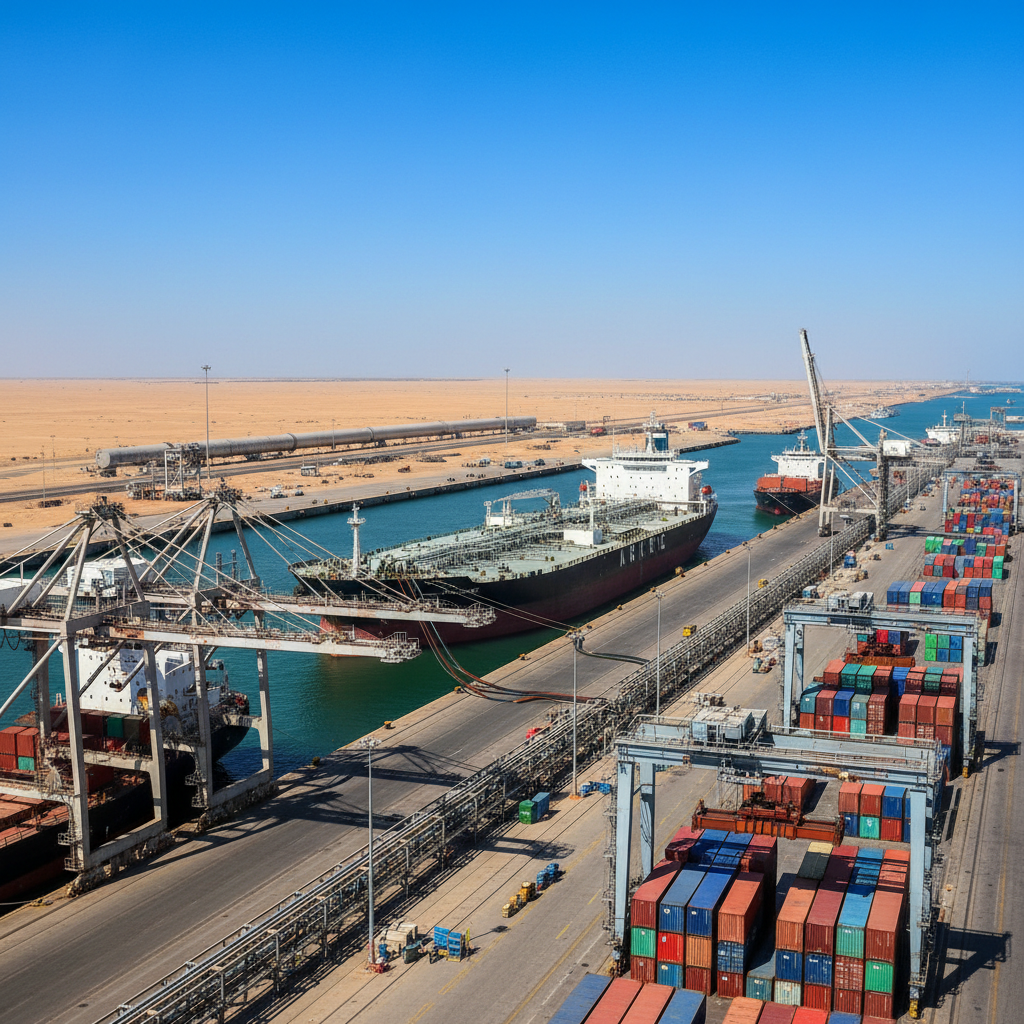
Geopolitical Triggers and Immediate Disruptions
The global supply chain operates within an increasingly complex geopolitical landscape, where localized incidents can trigger widespread repercussions for trade and transport. A salient example is the recent disruption to Saudi Arabia's East–West pipeline, which, following drone attacks, temporarily ceased crude oil movement. While the pipeline is now reportedly restarting operations, the immediate cessation highlights the vulnerability of critical energy infrastructure to geopolitical tensions. Such events don't just affect the flow of a single commodity; they introduce an immediate and acute element of uncertainty into the global logistics network. The direct consequence is often an abrupt halt or severe impediment to established transport mechanisms, forcing rapid, often costly, adjustments across the supply chain. For a shipment-visibility control tower like MGS, the immediate challenge is to identify which shipments are impacted, assess the extent of delays, and flag potential bottlenecks or rerouting necessities as soon as an incident occurs.
Navigating Altered Trade Routes and Waterways
The restart of the East–West pipeline is a crucial step for Saudi exports, particularly those destined for the Red Sea via the port of Yanbu. However, the incident itself, and the subsequent question of Yanbu's reliable loading program, underscore a broader vulnerability in maritime trade. The Red Sea is a vital artery for global commerce, connecting Europe and Asia through the Suez Canal. Any perceived or actual unreliability in the infrastructure supporting this route, such as the pipeline feeding Yanbu, can compel shippers and carriers to reassess their operational strategies. Should Yanbu's dependability remain a concern, or if the broader Red Sea region is deemed high-risk, the immediate consequence is a potential shift towards longer, more expensive alternative routes, such as circumnavigating the Cape of Good Hope. This rerouting significantly extends transit times, increases fuel consumption, and raises operational costs for vessels. For cargo owners, it means delayed deliveries, higher freight rates, and potential impacts on inventory levels and customer commitments. An MGS control tower becomes indispensable here, offering real-time tracking across these altered routes, predicting new ETAs, and providing the data necessary for proactive communication with stakeholders and dynamic inventory management.
The Ripple Effect on Global Trade and Transport Costs
The consequences of such disruptions extend far beyond the immediate point of impact, creating a significant ripple effect across global trade and transport economics. Increased transit times due to rerouting directly translate into higher operational costs for shipping lines, which are invariably passed on to shippers through elevated freight rates and surcharges. Furthermore, geopolitical instability in key regions often leads to a spike in insurance premiums for vessels operating in or transiting through affected areas, further inflating the cost of goods. The uncertainty surrounding the reliability of critical infrastructure, like the East-West pipeline or the loading program at Yanbu, also introduces a risk premium into commodity markets. This volatility can affect pricing, supply contracts, and long-term planning for businesses reliant on these supply chains. Companies may be forced to hold larger safety stocks, explore more diversified sourcing strategies, or even re-evaluate their entire logistics network design, all of which incur additional costs. The cumulative effect is a reduction in supply chain efficiency and an increase in the overall cost of international trade, ultimately impacting consumer prices and economic stability.
Enhancing Supply Chain Resilience Through Visibility
In an environment characterized by unpredictable geopolitical events, the ability to maintain supply chain resilience is paramount. This is precisely where a shipment-visibility control tower platform like MGS demonstrates its critical value. By providing end-to-end, real-time visibility into cargo movements, MGS empowers businesses to detect disruptions as they unfold, rather than reacting to them after the fact. When a critical pipeline is attacked or a port's reliability is questioned, the platform can immediately highlight affected shipments, identify alternative transport modes or routes, and provide updated estimated times of arrival (ETAs). This proactive intelligence allows supply chain managers to make informed decisions swiftly, mitigating potential delays and cost escalations. Furthermore, advanced analytics within the control tower can model the impact of various disruption scenarios, helping organizations to develop robust contingency plans. The platform facilitates enhanced collaboration among all supply chain partners, ensuring that information flows seamlessly and that responses are coordinated. Ultimately, by transforming raw data into actionable insights, an MGS control tower enables businesses to navigate geopolitical turbulence with greater agility, minimize financial losses, and uphold their commitments to customers, thereby safeguarding their operational continuity and competitive advantage.
Source: Dryad Global — https://channel16.dryadglobal.com/saudi-arabias-east-west-pipeline-is-restarting.-when-will-yanbu-be-a-reliable-export-route