
Geopolitical Tensions Threaten Key Waterways: Implications for Global Cargo Movement
Escalating geopolitical tensions, particularly around the Strait of Hormuz, are poised to significantly disrupt global cargo movement. This brief analyzes the potential consequences for maritime routes, energy markets, and operational costs, highlighting the critical need for advanced shipment visibility.
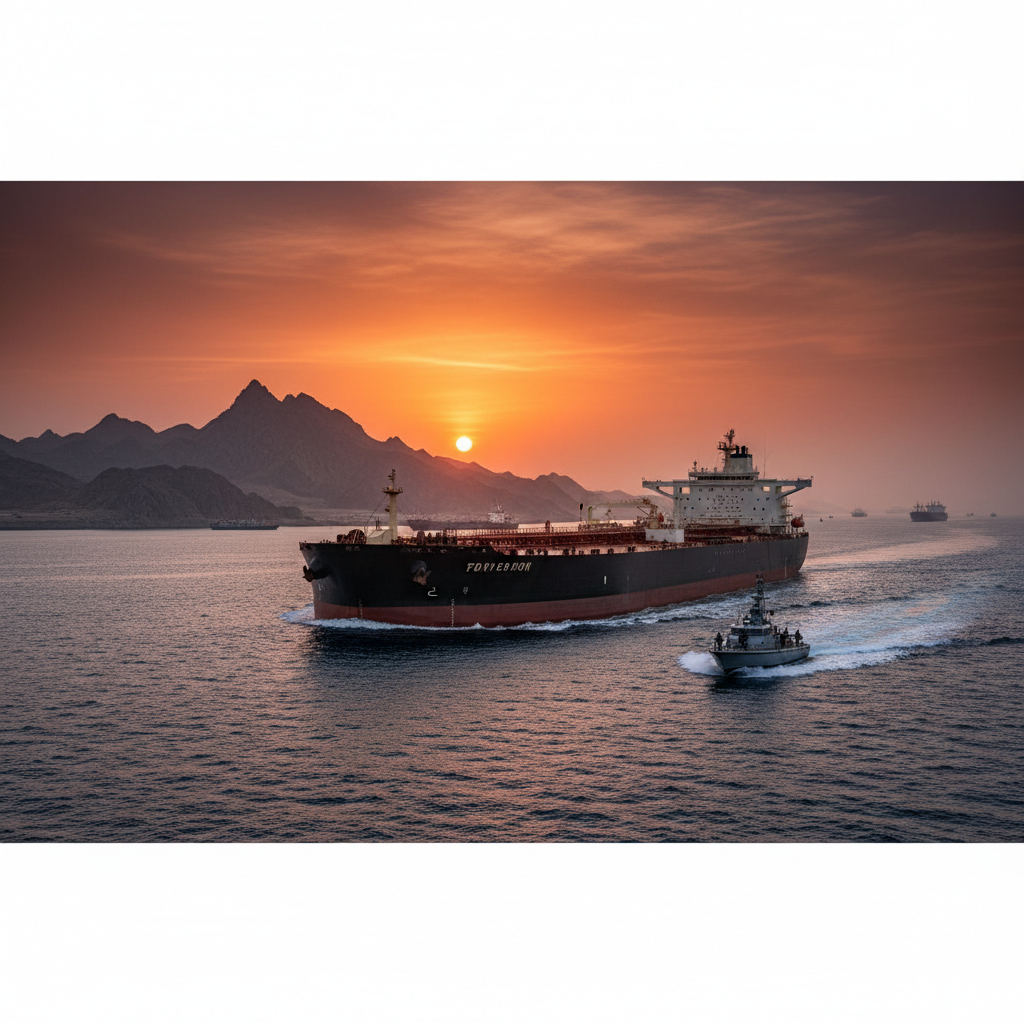
The Strait of Hormuz: A Geopolitical Chokepoint's Impact on Maritime Trade
The Strait of Hormuz stands as one of the world's most critical maritime chokepoints, funneling a substantial portion of global seaborne oil and liquefied natural gas (LNG) traffic, alongside a significant volume of containerized cargo. Recent declarations regarding its potential closure introduce an immediate and severe threat to the arteries of global trade. Such a development would not merely impede the flow of energy resources but would send shockwaves across all sectors reliant on efficient maritime transport through the Persian Gulf. Vessels attempting to transit this vital passage would face unprecedented risks, leading to immediate decisions by shipping lines to halt or reroute operations. This direct threat to a primary waterway necessitates an urgent re-evaluation of established shipping lanes and supply chain strategies, impacting everything from delivery schedules to cargo insurance. The sheer volume of trade passing through this narrow strait means any disruption here has a cascading effect, forcing a global recalibration of maritime logistics.
Navigational Challenges and Route Diversification in a High-Risk Environment
Should the Strait of Hormuz become impassable or too hazardous, the options for rerouting are severely limited for much of the cargo originating from or destined for the Persian Gulf region. For oil and gas, the infrastructural alternatives are insufficient to absorb the diverted volume, leading to potential shortages and price spikes. For general cargo, the primary alternative involves significantly longer voyages around the Arabian Peninsula, adding thousands of nautical miles and weeks to transit times. This not only inflates fuel consumption and operational costs but also strains vessel capacity on these alternative routes, potentially leading to congestion at other ports and further delays. The increased journey duration would necessitate adjustments to inventory management, increasing the need for buffer stocks and impacting just-in-time supply models. Furthermore, the very act of navigating through a region marked by heightened tensions introduces new layers of risk, demanding enhanced security protocols and potentially impacting crew availability and willingness to sail.
Volatility in Energy Markets and Escalating Operational Costs
The geopolitical climate surrounding key energy-producing regions directly influences global energy markets. While reports suggest a degree of Saudi resiliency might temper immediate oil price surges, the explicit threat to a major oil transit chokepoint like Hormuz inherently introduces significant market volatility. Any sustained disruption would inevitably lead to sharp increases in crude oil and refined product prices. This escalation directly translates into higher operational costs across the entire transport sector. Shipping companies face elevated bunkering expenses, airlines contend with soaring jet fuel costs, and overland logistics operations grapple with increased diesel prices. These higher energy costs are then passed down the supply chain, impacting manufacturing costs, freight rates, and ultimately, consumer prices. The unpredictability of these costs makes budgeting and forecasting exceptionally challenging for businesses, forcing them to absorb margins or pass on price increases, potentially dampening global economic activity.
Elevated Insurance Premiums and Supply Chain Resilience Imperatives
In environments of heightened geopolitical risk, the cost of insuring cargo and vessels skyrockets. War risk insurance premiums, which are already a significant factor in certain regions, would see exponential increases if the Strait of Hormuz were deemed an active conflict zone or under imminent threat. These additional costs are borne by shippers and ultimately by consumers, making trade through the region prohibitively expensive. Beyond financial implications, the current scenario underscores the imperative for supply chain resilience. Businesses must move beyond reactive measures and invest in proactive strategies to mitigate disruptions. This includes diversifying sourcing locations, exploring multimodal transport options, and building robust contingency plans for critical chokepoints. The ability to quickly adapt to unforeseen events, assess alternative routes, and manage inventory strategically becomes paramount for maintaining operational continuity and competitive advantage in an increasingly volatile global landscape.
Leveraging Real-time Visibility for Proactive Supply Chain Management
In times of such profound geopolitical uncertainty, the value of a comprehensive shipment-visibility control tower like MGS becomes indispensable. Real-time, end-to-end visibility provides the foundational intelligence needed to navigate complex disruptions. By offering granular tracking of every shipment, MGS empowers supply chain professionals to immediately identify cargo that is either directly impacted by waterway closures or at risk due to proximity to conflict zones. This visibility allows for rapid scenario planning and proactive decision-making, such as rerouting vessels before they enter dangerous waters, adjusting inventory levels in anticipation of delays, or communicating potential impacts to customers and partners with unparalleled accuracy. Furthermore, MGS's analytical capabilities can help assess the financial implications of alternative routes, predict new arrival times, and optimize resource allocation. In a landscape where every minute and every mile counts, a control tower transforms potential chaos into manageable challenges, enabling businesses to maintain operational continuity and minimize financial exposure amidst escalating global tensions.
Source: Ship & Bunker — https://shipandbunker.com/news/world/646281-saudi-resiliency-causes-oil-to-retreat-but-iran-vows-to-keep-hormuz-closed