
Geopolitical Tensions Escalate: Strait of Hormuz Attack Signals Broader Maritime Risk
An attack on a tug near the Strait of Hormuz highlights growing security threats to all merchant shipping in critical chokepoints. This brief examines the implications for global supply chains and outlines strategies for shippers.
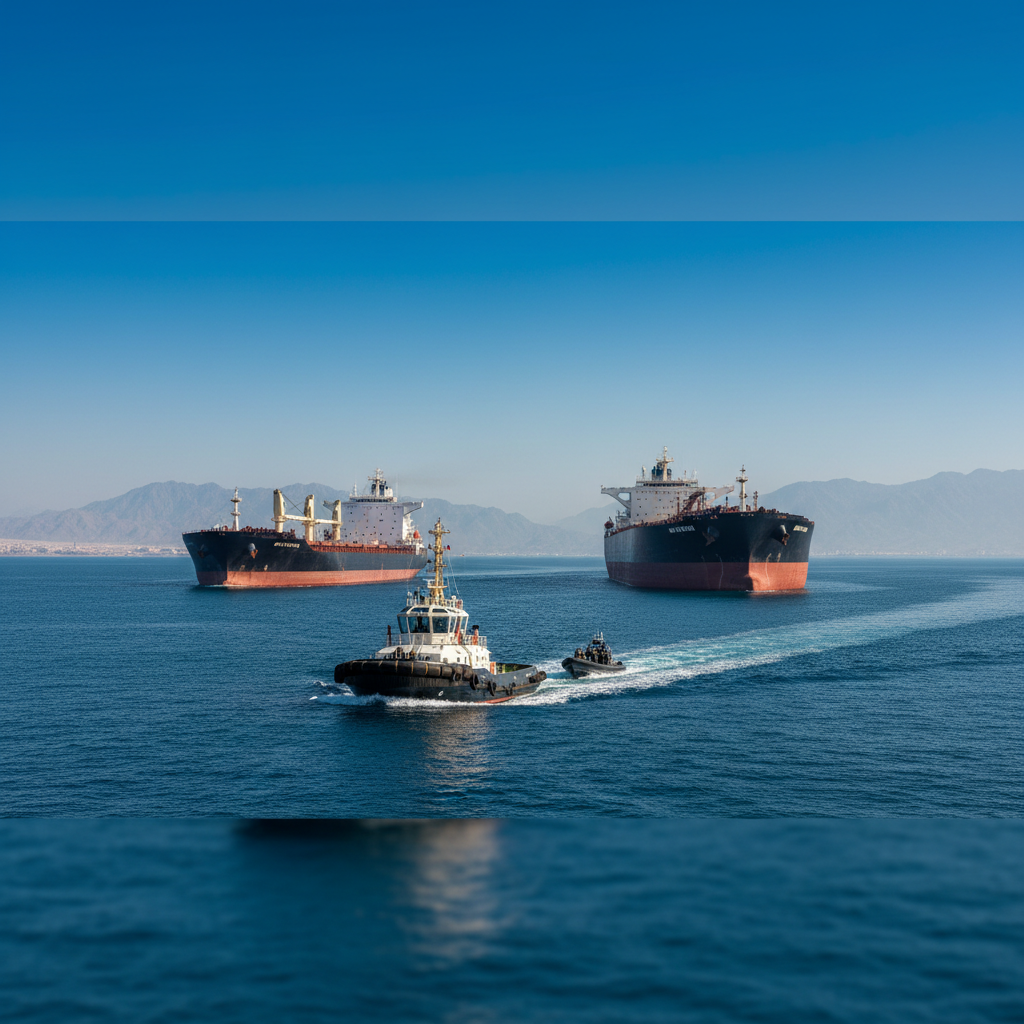
The recent attack on a tug near the Strait of Hormuz serves as a stark reminder of escalating security challenges in critical global maritime chokepoints. This incident underscores that the threat landscape in vital passages like the Strait of Hormuz is evolving, extending beyond traditional high-value targets to encompass virtually all commercial shipping. For supply-chain professionals, this development necessitates a re-evaluation of risk profiles and operational strategies. The Strait of Hormuz, a narrow waterway connecting the Persian Gulf to the open ocean, remains one of the world's most strategically important maritime passages, handling a substantial portion of global seaborne oil and gas, alongside diverse cargo. Any disruption here sends ripples across international markets, impacting energy prices, manufacturing supply lines, and consumer goods.
The Escalating Threat in Critical Maritime Chokepoints
The incident involving a tug near the Strait of Hormuz signals a worrying expansion of maritime security threats. Historically, concerns in this region often centered on larger vessels carrying high-value or strategically significant cargo. However, the targeting of a tug indicates that virtually any commercial vessel transiting these waters could be considered vulnerable. This broader scope of potential targets complicates risk assessment for shippers and carriers alike. The Strait of Hormuz is a geopolitical flashpoint where regional tensions can quickly translate into direct threats to commercial shipping. The implications extend beyond immediate physical damage or delay; such incidents can trigger increased insurance premiums, divert shipping routes, and create a climate of uncertainty that disrupts long-term planning. The persistent nature of these threats demands continuous vigilance and adaptable strategies from all stakeholders.
Impact on Key Shipping Lanes
The Strait of Hormuz is an indispensable artery for international commerce, particularly for the global energy market, handling a significant portion of the world's seaborne crude oil and liquefied natural gas (LNG). Beyond energy, it facilitates the movement of countless containerized goods, dry bulk commodities, and specialized cargo. An attack, even on a smaller vessel, immediately elevates the perceived risk for all traffic in this lane, leading to:
- Increased Transit Times: Vessels may adopt slower speeds, follow more circuitous routes, or await naval escorts, contributing to longer transit times.
- Rerouting Considerations: While a complete rerouting around the Arabian Peninsula is costly and adds weeks to transit, the threat of such rerouting factors into contingency planning, disproportionately affecting Gulf-bound goods.
- Congestion and Delays: Increased security measures or temporary closures can lead to congestion at the strait's entry and exit points, causing cascading delays.
- Higher Operating Costs: War risk insurance premiums soar, and carriers may implement surcharges, directly impacting shippers' bottom lines. These factors diminish predictability and substantially increase the cost of moving goods through this critical lane.
Vulnerability of Regional Port Facilities and Infrastructure
Heightened maritime insecurity in the Strait of Hormuz directly impacts port facilities within the Persian Gulf. Ports in countries like the UAE, Qatar, Bahrain, and Saudi Arabia rely heavily on unimpeded shipping flow through the strait. Increased risk can lead to:
- Reduced Port Calls: Shipping lines may become reluctant to call at regional ports or reduce call frequency, opting for transshipment through safer hubs. This means longer lead times and additional handling costs.
- Higher Insurance Premiums: Ports themselves and the cargo within them can face increased insurance costs due to proximity to a high-risk area.
- Disruption to Port Operations: Security alerts or the perception of danger can disrupt normal port operations, causing delays in cargo handling and customs clearance.
- Impact on Intermodal Connections: Disruptions at these maritime gateways can severely impact onward rail, road, and air freight connections, creating bottlenecks.
- Labor and Crew Concerns: Crew members may hesitate to sail into perceived danger zones, potentially leading to shortages or demands for hazard pay. The security of the maritime lane is intrinsically linked to the operational viability and attractiveness of the ports it serves.
Broadening Impact Across Maritime Modes
The tug incident highlights a crucial shift in risk perception across various maritime modes. While the source mentions tankers, bulkers, and boxships facing serious risk, the attack on a tug demonstrates the threat is not confined to these major categories:
- Container Ships (Boxships): Carry manufactured goods, facing direct threats that lead to delays in global supply chains.
- Tankers: As primary carriers of oil and gas, always high-profile targets, impacting global energy markets.
- Bulkers: Carrying raw materials, their disruption affects industrial production and food security.
- Specialized Vessels: The tug incident underscores vulnerability of smaller, specialized vessels (offshore support, research). Their disruption impacts critical support services or regional economies.
- Feeder Services: Smaller vessels distributing cargo from major hubs also become exposed to heightened risks, often operating closer to shore.
- Crew and Human Element: Crews face immense pressure and danger, potentially leading to labor issues and increased operational costs related to welfare and security. This broad impact means virtually no segment of maritime trade through the Strait of Hormuz is immune to escalating geopolitical tensions.
Strategic Responses for Shippers and Logistics Providers
Proactive and adaptive strategies are paramount for shippers and logistics providers in this elevated risk environment:
- Enhanced Risk Assessment and Monitoring: Continuously monitor geopolitical developments and security advisories for the Strait of Hormuz.
- Diversification of Routes and Carriers: Explore diversifying carrier base or utilizing multimodal options where feasible, reducing over-reliance on single pathways.
- Review of Insurance Policies: Thoroughly review marine cargo insurance, especially war risk clauses, to understand coverage and potential additional premiums.
- Inventory Management Adjustments: Consider slightly higher safety stock for critical goods transiting the Strait of Hormuz to buffer against potential delays.
- Collaboration and Information Sharing: Engage with carriers, freight forwarders, and industry bodies to share intelligence and best practices.
- Supply Chain Mapping and Scenario Planning: Understand your full supply chain, conduct scenario planning for various disruption events, and develop contingency plans, including identifying alternative suppliers. These measures, implemented strategically, can help mitigate financial and operational fallout from maritime security incidents.
Leveraging Shipment Visibility for Enhanced Resilience
A robust shipment-visibility control tower platform like MGS is indispensable for supply-chain resilience against geopolitical risks.
- Real-time Tracking and Alerts: MGS provides granular, real-time tracking of vessels and cargo, offering immediate alerts on deviations, delays, or incidents. For the Strait of Hormuz, this means instant notification if a vessel is impacted by a security event, allowing swift reaction and contingency activation.
- Predictive Analytics for Risk Mitigation: MGS leverages historical data and external intelligence (including security advisories) to provide predictive insights into potential disruptions. It can identify vessels approaching high-risk zones, estimate delays, or suggest alternative routing based on real-time threat assessments.
- Comprehensive Data Integration: Integrating data from multiple sources—carriers, port authorities, AIS, and geopolitical risk intelligence—MGS offers a holistic view of the entire supply chain. This is crucial for understanding the broader impact of a localized incident on upstream and downstream operations.
- Scenario Planning and Simulation: MGS platforms facilitate scenario planning, allowing users to simulate disruption impacts on lead times, costs, and inventory. This empowers data-driven decisions on inventory buffers, carrier selection, and route optimization.
- Enhanced Communication and Collaboration: A central visibility platform ensures all internal teams and external partners work from the same, up-to-date information. This streamlines communication during crises, reduces misinformation, and enables coordinated responses. By providing unparalleled insight and control, MGS transforms reactive crisis management into proactive risk mitigation, allowing shippers to navigate complex geopolitical maritime threats with greater confidence and agility.
Source: The Maritime Executive — https://maritime-executive.com/article/tug-attacked-near-strait-of-hormuz