
Geopolitical Tensions Escalate: Navigating Disruption in the Strait of Hormuz
Recent attacks on commercial vessels in the Strait of Hormuz highlight the volatile nature of key transit channels, impacting global supply chains and commodity prices. Shippers face heightened risks and demand advanced visibility to mitigate disruptions.
Introduction
Global supply chains are inherently susceptible to a myriad of external pressures, from natural disasters to economic shifts. However, geopolitical instability presents a unique and often immediate threat, capable of rerouting trade flows and elevating operational costs. The recent escalation of incidents in the Strait of Hormuz serves as a stark reminder of this vulnerability. This critical maritime chokepoint, vital for a significant portion of the world's energy and goods, has seen increased targeting of commercial vessels, creating an environment of heightened risk for shippers worldwide. The implications extend beyond immediate physical damage, influencing global commodity markets and demanding a proactive, data-driven approach to supply chain management. For MGS clients, understanding these evolving threats and leveraging advanced visibility tools is paramount to maintaining resilience and continuity in their operations.
Affected Lanes: The Strait of Hormuz
The Strait of Hormuz is arguably one of the most strategically important waterways on the planet, connecting the Persian Gulf to the open ocean. Its narrow passage, at points only 21 nautical miles wide, is a critical transit channel for a substantial volume of global maritime trade. The recent reports of attacks on commercial vessels, including a containership, directly within this Strait underscore its immediate status as a high-risk lane. Any incident here, even one resulting in 'minor damages' as reported, can trigger significant disruptions. The sheer volume of traffic, combined with the confined geography, means that even a temporary blockage or perceived threat can lead to widespread delays, increased insurance premiums, and a general reluctance for vessels to traverse the area without enhanced security measures. For shippers, this translates into longer lead times, potential rerouting costs, and the imperative for real-time intelligence on vessel movements and security advisories within this critical corridor.
Affected Facilities and Infrastructure
While the source material does not explicitly name specific port facilities or land-based infrastructure affected by these incidents, the disruption to transit through the Strait of Hormuz has a cascading effect on the broader logistics network. Ports situated within the Persian Gulf, heavily reliant on the Strait for access to international markets, face indirect impacts. Increased security concerns and potential delays for vessels entering or exiting the Strait can lead to congestion at these facilities. Furthermore, the uncertainty surrounding safe passage may cause carriers to adjust schedules, leading to bottlenecks, reduced port calls, or even temporary suspensions of service to certain terminals. This ripple effect can strain port capacity, impact cargo handling efficiency, and ultimately delay the onward movement of goods through land-based transportation networks connected to these maritime hubs. Shippers must anticipate potential slowdowns at regional facilities and plan for extended dwell times for their cargo.
Affected Modes of Transport
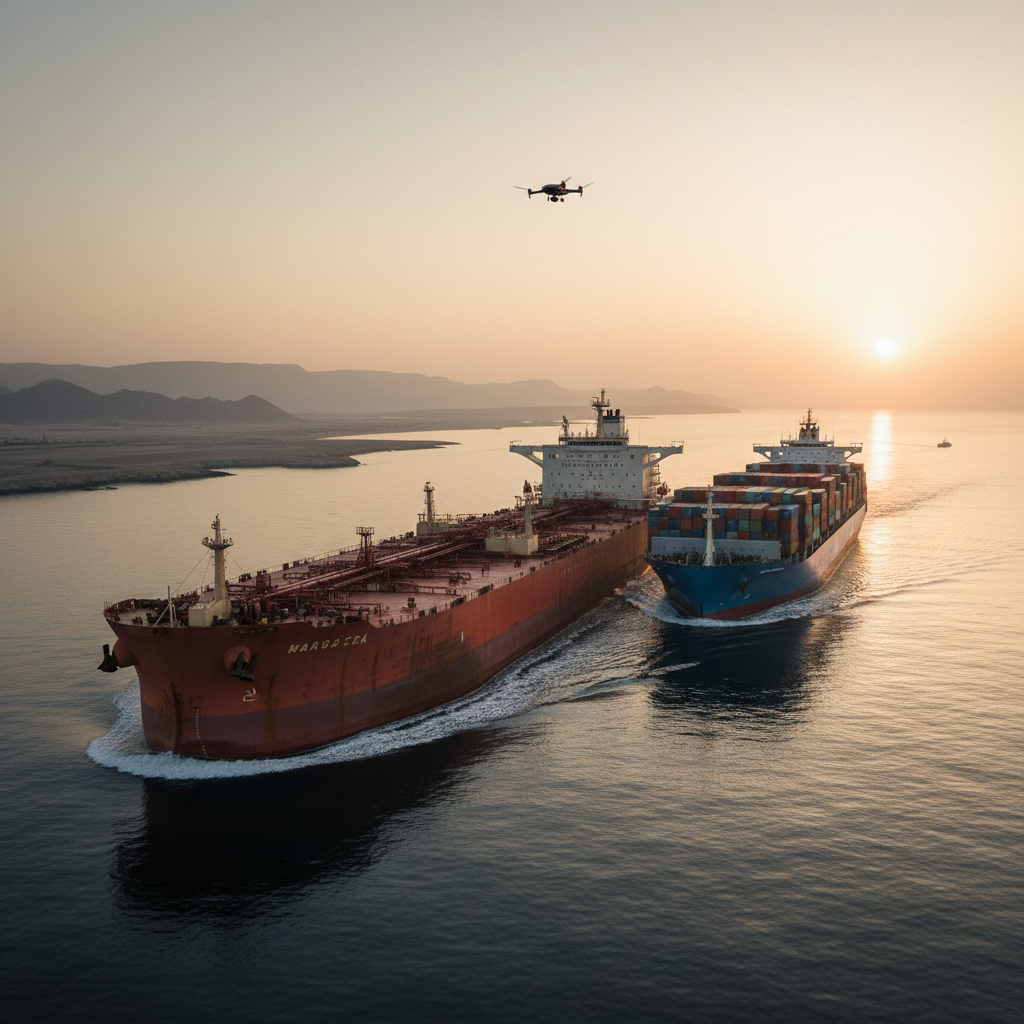
The recent incidents in the Strait of Hormuz have directly impacted two primary modes of maritime transport: tanker shipping and container shipping. The source explicitly mentions 'oil tankers' coming under attack, which directly correlates with the reported 'elevated Brent crude’s price.' This highlights the immediate and significant impact on the global energy supply chain, where the safe passage of crude oil and refined petroleum products is paramount. Concurrently, the report of a 'containership' sustaining 'minor damages' during an inbound transit confirms that the threat extends to the movement of manufactured goods and other commodities transported in containers. This affects a vast array of industries, from consumer electronics to automotive parts, food, and textiles. The broad nature of these attacks, targeting both energy and general cargo vessels, underscores the pervasive risk across diverse supply chains that rely on this vital waterway.
Impact on Specific Commodities
The most immediate and explicitly stated impact on commodities is on crude oil. The source notes that 'Brent crude’s price has remained elevated' as a direct consequence of the tanker attacks. This indicates a market reaction to perceived supply risks, as a significant portion of global oil supply transits the Strait of Hormuz. Beyond crude oil, the targeting of a containership implies potential disruptions to a wide range of goods. While no specific commodities carried by the containership are mentioned, container vessels transport virtually every type of manufactured good, raw material, and intermediate product. Therefore, any impediment to container shipping through the Strait could affect supply chains for electronics, apparel, machinery, agricultural products, and countless other items, potentially leading to shortages, price increases, and delays in delivery for end consumers globally. The interconnectedness of modern supply chains means that even 'minor damages' to a single vessel can have disproportionate effects on the availability and cost of goods.
Shipper Strategies for Mitigation
In the face of escalating geopolitical risks in critical transit channels like the Strait of Hormuz, shippers must adopt robust mitigation strategies. Firstly, enhanced risk assessment and scenario planning are crucial. This involves continuously monitoring geopolitical developments and understanding their potential impact on specific routes and cargo. Secondly, while often challenging, exploring alternative routing options, even if they incur higher costs or longer transit times, can be a viable contingency for high-value or time-sensitive cargo. Thirdly, strengthening communication channels with carriers, freight forwarders, and other logistics partners is essential to receive timely updates and coordinate responses. Proactive engagement allows for quicker decision-making regarding rerouting, cargo diversion, or adjusting inventory levels. Lastly, investing in comprehensive supply chain visibility is no longer a luxury but a necessity, providing the data required to make informed decisions rapidly in a volatile environment.
The MGS Advantage: Enhancing Visibility and Resilience
In an environment marked by geopolitical volatility, a shipment-visibility control tower like MGS becomes an indispensable asset for shippers. Our platform provides real-time, end-to-end tracking of vessels, offering unparalleled transparency into cargo movements through high-risk areas such as the Strait of Hormuz. When incidents occur, MGS's advanced alerting capabilities immediately notify shippers of deviations, delays, or security advisories, enabling rapid response. The control tower aggregates data from multiple sources, offering a comprehensive view that allows for swift risk assessment and the identification of potential bottlenecks or alternative routing possibilities. Furthermore, MGS facilitates proactive communication and collaboration among all supply chain stakeholders, ensuring that carriers, consignees, and logistics partners are aligned and informed. By providing actionable insights and fostering a collaborative ecosystem, MGS empowers shippers to navigate complex geopolitical disruptions with greater confidence, minimizing financial impact and safeguarding supply chain continuity.
Source: Hellenic Shipping News — https://www.hellenicshippingnews.com/middle-east-conflict-fresh-tanker-attacks-slam-middle-east-transit-channels/