
Geopolitical Tensions and Weather Disruptions Squeeze Global Supply Chains
Recent typhoon activity and escalating geopolitical tensions in the Strait of Hormuz are creating significant headwinds for global trade, leading to increased congestion and upward pressure on freight rates. This analysis explores the multifaceted impacts on supply chain operations, financial costs, and how advanced visibility platforms can provide crucial resilience.
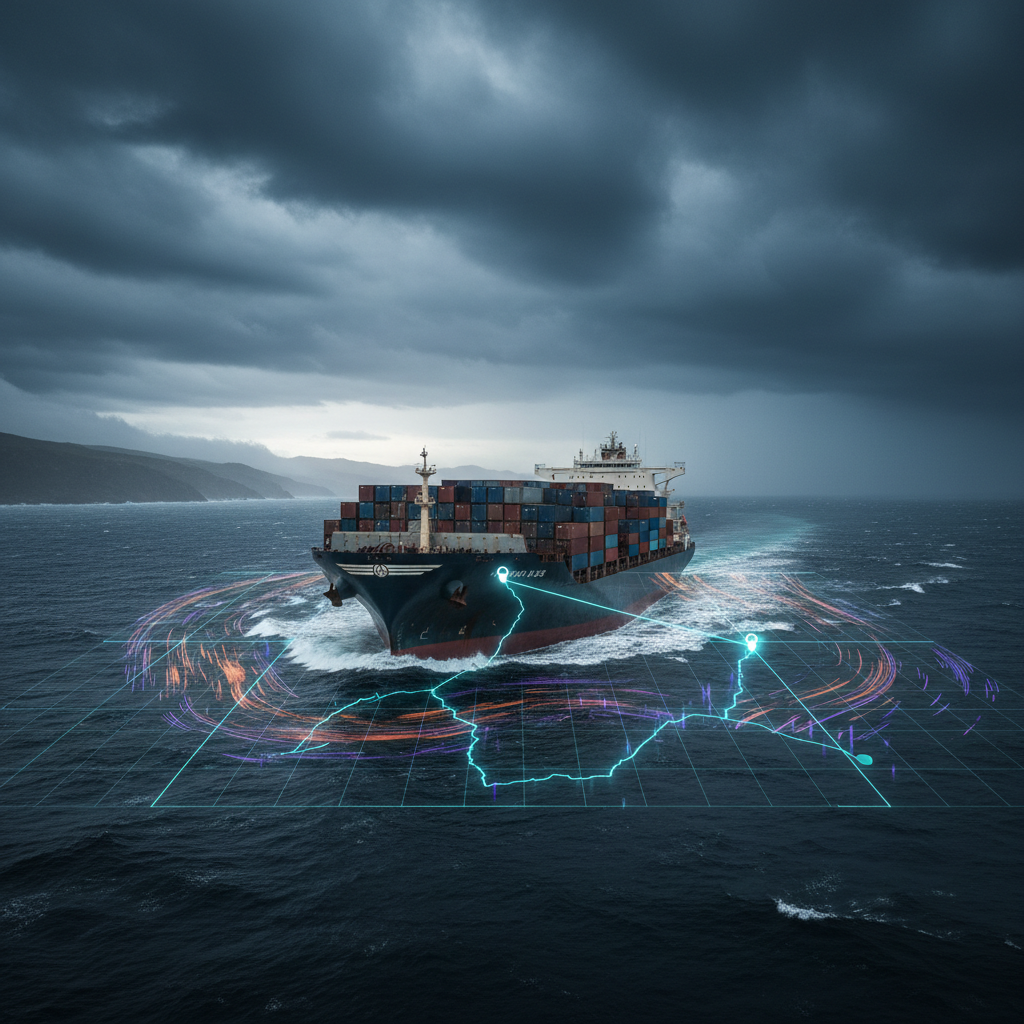
How this impacts the global supply chain
The confluence of severe weather events and heightened geopolitical instability is currently exerting considerable pressure on global supply chain flows and operational efficiency. Typhoon disruptions, as highlighted, directly impede the smooth movement of goods by causing port closures, leading to vessel diversions, and creating significant backlogs at key maritime hubs. These events ripple through the entire logistics network, causing delays in cargo delivery, impacting inventory management strategies, and potentially leading to stockouts or missed production schedules. The immediate consequence is a reduction in effective shipping capacity, as vessels are either delayed or forced to take longer, alternative routes, disrupting established schedules and increasing transit times.
Simultaneously, the evolving situation in the Strait of Hormuz introduces a layer of complex geopolitical risk. This critical chokepoint, essential for a substantial portion of global maritime trade, particularly energy shipments, becomes a flashpoint for uncertainty. Increased tensions, including reported vessel incidents and military actions, elevate the security risk for commercial shipping. This can lead to carriers re-evaluating routes, implementing enhanced security protocols, or even avoiding the region altogether if risks become prohibitive. Such actions would result in longer transit times for cargo needing to pass through or around the area, increased operational complexity, and potential disruptions to the global energy supply, which in turn affects manufacturing and transportation costs worldwide. The combination of weather-induced physical congestion and geopolitically driven operational hesitancy creates a dual challenge that strains existing supply chain infrastructure and resilience.
Global financial impact
The financial ramifications of these disruptions are substantial and widespread, affecting shippers, carriers, and the broader global trade economy. For shippers, the most immediate impact is the upward pressure on freight rates. As effective capacity diminishes due to typhoon-induced delays and diversions, and as carriers face increased operational risks and costs in volatile regions like the Strait of Hormuz, the cost of moving goods inevitably rises. This pressure on rates translates directly into higher landed costs for products, potentially eroding profit margins or necessitating price increases for end consumers.
Beyond freight rates, shippers face additional financial burdens. Delays lead to increased inventory holding costs, as goods spend more time in transit or awaiting clearance. There's also the risk of demurrage and detention charges at congested ports. For time-sensitive or perishable goods, extended delays can result in spoilage, obsolescence, or missed sales opportunities, leading to significant financial losses. Furthermore, the heightened security environment in critical chokepoints often translates into elevated insurance premiums, particularly war risk premiums, which carriers pass on to shippers, further inflating shipping costs.
Carriers, while benefiting from higher rates in some instances, also incur significant additional costs. These include increased fuel consumption from longer routes or idling at congested ports, higher operational expenses due to security measures, and potential financial liabilities from delayed or damaged cargo. The unpredictability introduced by these events makes long-term planning challenging, impacting their ability to optimize fleet utilization and maintain profitability. Ultimately, the cumulative effect is a more expensive, less predictable, and riskier global trade environment, impacting economic stability and consumer prices.
How MGS can help navigate today's global trade environment
In an environment characterized by typhoon disruptions and geopolitical tensions, a robust shipment-visibility control tower like MGS becomes an indispensable tool for operators seeking to maintain continuity and mitigate financial losses. MGS provides real-time, end-to-end visibility into the movement of goods across the entire supply chain. When typhoons strike, operators can leverage MGS to immediately identify which vessels and shipments are directly impacted, track their revised routes, and monitor estimated times of arrival (ETAs) as they change. This proactive insight allows for swift decision-making, such as rerouting critical cargo to alternative ports, adjusting downstream logistics, or communicating precise delay information to customers and internal stakeholders.
Regarding geopolitical flashpoints like the Strait of Hormuz, MGS offers a critical layer of situational awareness. By aggregating data from various sources, operators can monitor vessel positions relative to high-risk zones, receive alerts regarding incidents, and assess the potential impact on their specific shipments. This capability enables rapid response planning, allowing companies to evaluate alternative shipping lanes, implement heightened security protocols for vessels in transit, or even temporarily hold shipments if the risk becomes too great. The platform's ability to centralize and visualize complex data empowers supply chain managers to quickly understand the scope of a disruption, evaluate potential impacts on inventory and delivery schedules, and execute contingency plans with greater agility. This enhanced visibility transforms reactive crisis management into proactive risk mitigation, safeguarding both operational efficiency and financial stability during periods of global uncertainty.
Demand–supply analysis & improvement
The observed "pressure on rates" stemming from typhoon disruptions and geopolitical tensions is a direct indicator of a tightening in the demand-supply dynamics within the global shipping market. Typhoons effectively reduce the available shipping capacity (supply) by causing delays, diversions, and port congestion, meaning fewer vessels are available to move cargo at any given time. This artificial reduction in supply, coupled with consistent or growing demand for goods, inevitably drives up prices. Similarly, heightened risks in critical chokepoints can lead carriers to reduce their exposure or increase their operational costs, further constricting effective supply and contributing to rate increases.
To address these dynamics, improvement levers focus on enhancing resilience and optimizing existing capacity. For demand, better forecasting and inventory planning can help smooth out peaks and troughs, reducing the urgency for last-minute, high-cost shipping. On the supply side, strategies include diversifying carrier portfolios and routes to avoid over-reliance on single pathways or providers. Investing in flexible logistics networks that can quickly adapt to port closures or route changes is crucial. Furthermore, leveraging data analytics to predict congestion hot spots and proactively adjust schedules can help maintain a more fluid flow of goods, effectively increasing available capacity by reducing idle times and bottlenecks. Collaborating with logistics partners to share information and optimize vessel utilization across the network can also contribute to a more efficient allocation of existing supply.
ROI-focused resilience
Investing in supply chain resilience, particularly through advanced visibility platforms like MGS, offers a clear return on investment by protecting against quantifiable risks posed by events such as typhoons and geopolitical instability. The financial risk associated with typhoon disruptions includes significant costs from demurrage and detention charges (which can run into hundreds or thousands of dollars per container per day), expedited shipping fees (often 2-3x standard rates), inventory holding costs, and potential revenue loss from missed sales due to delays. For example, a single delayed shipment of high-value goods could incur tens of thousands in penalties or lost revenue. MGS mitigates these by providing early warnings and enabling proactive rerouting, potentially saving these direct costs.
In the context of geopolitical risks in areas like the Strait of Hormuz, the ROI of resilience is even more pronounced. The primary risks include elevated war risk insurance premiums (which can add significant percentages to freight costs), potential vessel damage or loss, and the cost of re-routing around an impassable chokepoint (adding days or weeks to transit time and substantial fuel costs). An MGS platform, by providing real-time tracking and risk alerts, allows operators to make informed decisions to either avoid high-risk areas or implement enhanced security measures, thereby reducing the likelihood of catastrophic financial losses from incidents or the high costs associated with unplanned, lengthy reroutes. The investment in visibility and agile response capabilities directly translates into avoided costs, preserved revenue, and enhanced business continuity, offering a tangible financial protection against the inherent unpredictability of global trade.
Source: Freightos — https://www.freightos.com/freight-resources/typhoon-disruptions-driving-congestion-and-putting-pressure-on-rates-september-25-2026-update/