
Geopolitical Tensions and the Strait of Hormuz: Navigating Critical Chokepoint Disruptions
The recent call by 80 UN member states for the reopening of the Strait of Hormuz highlights the immense geopolitical pressures on this vital maritime artery. This brief examines how such disruptions impact global shipping lanes, port facilities, and transport modes, offering strategies for shippers to maintain resilience.
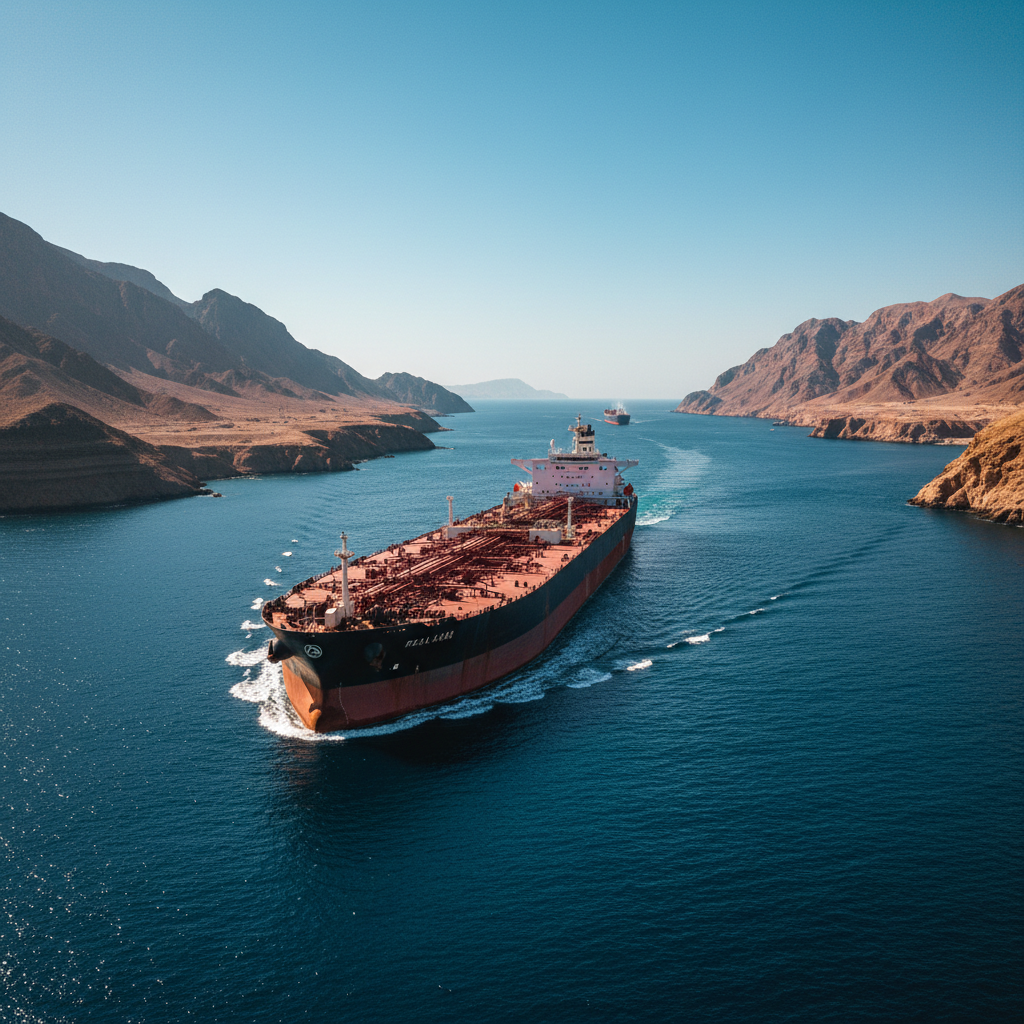
The Strait of Hormuz: A Critical Chokepoint Under Geopolitical Pressure
The global supply chain operates on a delicate balance, where geopolitical stability is as crucial as operational efficiency. Recent developments surrounding the Strait of Hormuz underscore this vulnerability, as 80 United Nations member states, led by the foreign minister of Bahrain, have collectively demanded the urgent reopening of this indispensable waterway. This concerted international effort signals the profound and widespread concern over any impedance to free passage through the Strait, a critical artery for global energy and trade flows. For supply chain professionals, understanding the ramifications of such geopolitical pressures is paramount to mitigating risks and ensuring continuity. Unlike disruptions caused by natural phenomena, geopolitical events introduce complex, unpredictable variables that demand sophisticated foresight and agile response mechanisms.
Impact on Key Shipping Lanes
The Strait of Hormuz is arguably the world's most strategically important maritime chokepoint. Connecting the Persian Gulf to the open ocean, it is the sole sea passage for a significant portion of the world's crude oil, liquefied natural gas (LNG), and other vital commodities originating from major producers in the Middle East. Any closure or severe restriction of passage through the Strait immediately impacts a vast network of shipping lanes.
Firstly, the most direct impact is on the primary eastbound and westbound routes through the Strait itself. Tankers, container ships, and bulk carriers transporting goods to and from the Persian Gulf states (including Saudi Arabia, UAE, Qatar, Kuwait, and Iraq) would face immediate delays or outright cessation of transit. This would force carriers to consider significantly longer and more costly alternative routes, such as circumnavigating the Arabian Peninsula, extending voyage times by weeks and dramatically increasing fuel consumption and operational expenses. Such diversions would ripple through global shipping schedules, causing cascading delays at subsequent ports of call across Asia, Europe, and North America.
Secondly, the disruption extends beyond crude oil and LNG. A wide array of manufactured goods, consumer products, and industrial components also traverse this route. The rerouting of vessels would strain capacity on alternative lanes, potentially leading to congestion in other maritime corridors and driving up freight rates across the board. The predictability of just-in-time supply chains would be severely compromised, necessitating a shift towards more resilient, if less lean, inventory strategies.
Disruption to Facilities and Ports
The immediate consequence of a Strait of Hormuz disruption would be felt acutely by port facilities and energy terminals within the Persian Gulf. Major ports like Jebel Ali (UAE), Dammam (Saudi Arabia), and Bandar Abbas (Iran) would experience severe operational paralysis as vessels are unable to enter or exit the Gulf. Export terminals for oil and gas would be unable to load tankers, leading to a rapid build-up of inventory onshore and potential production cuts. Conversely, import-dependent nations in the region would face critical shortages of essential goods.
Beyond the Gulf, the ripple effect would extend to major transshipment hubs and destination ports globally. Ports in Europe, Asia, and North America that regularly receive cargo originating from or destined for the Persian Gulf would see significant schedule disruptions. Container yards would face unpredictable arrival patterns, leading to congestion and increased dwell times. Energy infrastructure worldwide, from refineries to power plants, would need to scramble for alternative oil and gas supplies, potentially from more distant and expensive sources, straining storage capacities and global energy markets. The interconnectedness of global trade means that a disruption at this single chokepoint can have far-reaching consequences for port efficiency and capacity utilization across continents.
Effects Across Transport Modes
While the Strait of Hormuz is primarily a maritime chokepoint, its disruption would have multifaceted effects across various transport modes.
Maritime Shipping: This mode bears the brunt of the impact. Tankers, container ships, and bulk carriers would be directly affected, facing rerouting, delays, and increased costs. The availability of vessels would decrease as ships are tied up on longer voyages, leading to a tightening of global shipping capacity. Marine insurance premiums for routes through or near the region would likely surge, adding another layer of cost to international trade.
Air Cargo: In scenarios of severe maritime disruption, there would likely be an immediate surge in demand for air cargo services, particularly for high-value, time-sensitive goods. While air freight cannot replace the sheer volume carried by sea, it would become a critical emergency option for certain shipments, leading to increased air freight rates and potential capacity shortages on key routes. This shift would primarily affect goods that can absorb higher transportation costs, such as electronics, pharmaceuticals, and certain manufactured components.
Road and Rail (Regional): Within the Middle East, land-based transport networks might see increased activity as countries attempt to bypass the Strait for regional trade or to move goods to ports outside the Gulf (e.g., ports on the Red Sea or the Arabian Sea). However, the infrastructure for such large-scale diversions is often limited, and overland routes present their own set of logistical challenges and security risks.
Strategies for Shippers Amidst Geopolitical Instability
Navigating the complexities of geopolitical disruptions like those affecting the Strait of Hormuz requires a proactive and data-driven approach from shippers.
Enhanced Shipment Visibility: The cornerstone of resilience is real-time visibility. An MGS shipment-visibility control tower becomes indispensable in such scenarios. It provides immediate alerts on vessel status, location, and potential diversions, allowing shippers to track their cargo through affected lanes or alternative routes. This granular insight enables swift decision-making, such as re-routing specific containers or adjusting inventory plans based on actual transit times, rather than relying on outdated schedules.
Diversification of Routes and Modes: Shippers should actively explore and pre-qualify alternative shipping routes and, where feasible, alternative transport modes. While bypassing the Strait of Hormuz entirely for large volumes is challenging, understanding the feasibility and cost implications of land bridges, alternative ports, or increased air freight for critical components can be invaluable. This might involve building relationships with new carriers or logistics providers who specialize in these alternative pathways.
Strategic Inventory Management: Moving away from purely lean, just-in-time models towards a more resilient "just-in-case" approach for critical components or finished goods can buffer against sudden supply chain shocks. This involves strategically placing safety stock at various points in the network, allowing operations to continue while longer-term solutions are being implemented.
Proactive Communication and Collaboration: Maintaining open and transparent communication with carriers, suppliers, and customers is crucial. Shippers need to understand their carriers' contingency plans and communicate potential delays or changes to their downstream partners. Collaborative efforts across the supply chain can help pool resources and find collective solutions.
Robust Contingency Planning: Beyond immediate responses, shippers must develop comprehensive contingency plans that address various levels of disruption. This includes scenario planning for prolonged closures, assessing the financial impact of higher freight costs, and identifying critical suppliers and customers most vulnerable to such events. Regularly reviewing and updating these plans ensures they remain relevant and actionable.
In a world increasingly shaped by geopolitical volatility, the ability to anticipate, monitor, and adapt to disruptions in critical chokepoints like the Strait of Hormuz is a defining characteristic of a resilient supply chain. Leveraging advanced visibility platforms like MGS is no longer a luxury but a strategic imperative for maintaining continuity and competitive advantage.
Source: Marine Insight — https://www.marineinsight.com/80-un-member-states-demand-urgent-reopening-of-strait-of-hormuz/?utm_source=rss&utm_medium=rss&utm_campaign=80-un-member-states-demand-urgent-reopening-of-strait-of-hormuz