
Geopolitical Storm Brews: Middle East Conflict Chokes Vital Shipping Lane, Surging VLCC Rates
Escalating conflict in the Middle East is severely impacting the Strait of Hormuz, a critical chokepoint for global energy trade. This geopolitical disruption is causing VLCC rates to surge and restricting essential transits, creating significant ripple effects across the supply chain. Our analysis examines the immediate consequences for cargo movement and outlines proactive strategies for shippers to navigate such volatility, leveraging advanced visibility platforms like MGS.
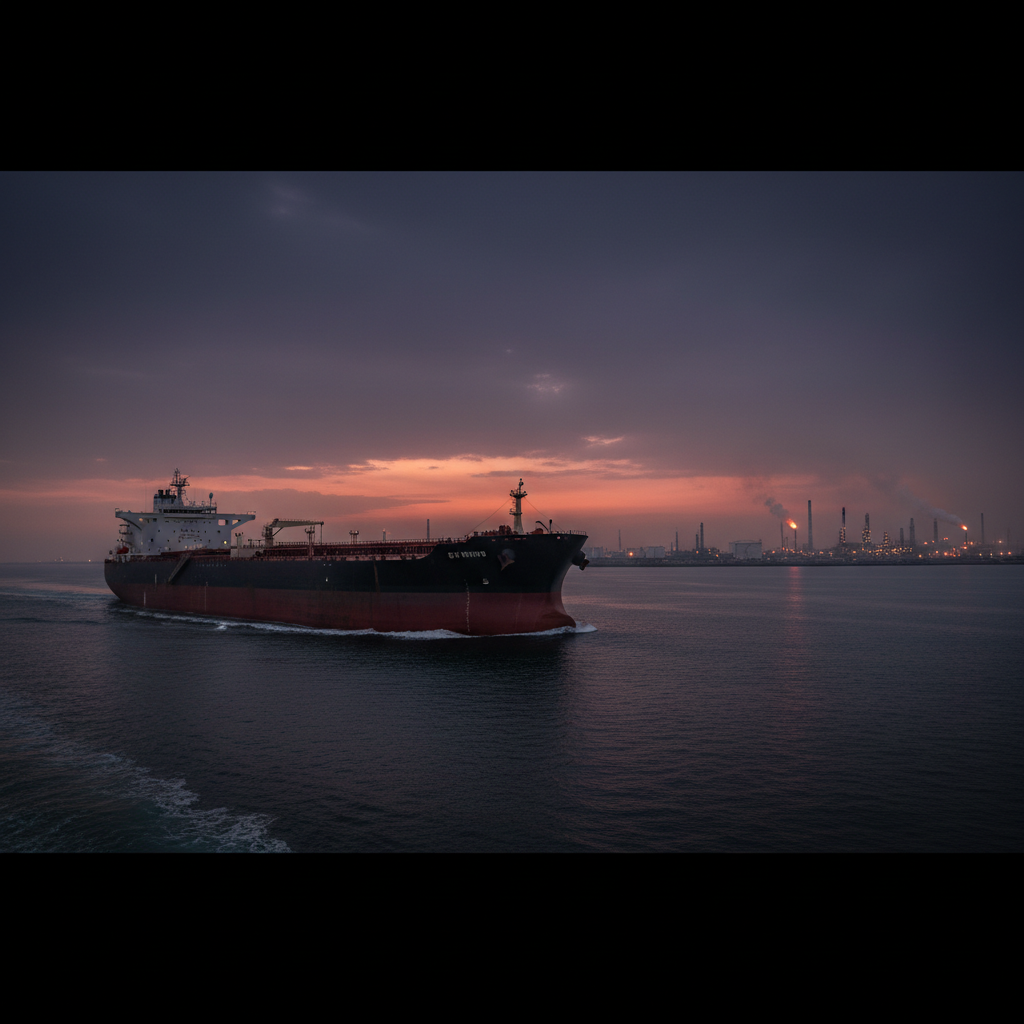
Current Disruption Overview
The global supply chain is once again confronting significant volatility, this time stemming from escalating geopolitical tensions in the Middle East. As of September 18, 2026, reports indicate a direct impact on one of the world's most critical maritime chokepoints: the Strait of Hormuz. The ongoing conflict has led to a notable restriction of transits through this vital waterway, a development with far-reaching implications for international trade, particularly in the energy sector.
The Strait of Hormuz, indispensable for the movement of a substantial portion of the world's crude oil and liquefied natural gas, connects the Persian Gulf to the open ocean. Any impediment to passage through this narrow channel immediately sends shockwaves through global commodity markets and maritime logistics. The current situation, driven by an escalating Middle East war, underscores the fragility of global trade routes in the face of geopolitical instability. While the precise extent of the transit restrictions and the specific nature of the conflict remain dynamic, the immediate consequence has been a significant disruption to shipping schedules and vessel availability, particularly for Very Large Crude Carriers (VLCCs).
Affected Lanes, Facilities, and Modes
The primary lane affected by this geopolitical upheaval is, unequivocally, the Strait of Hormuz. This strategic waterway is a non-negotiable passage for vessels departing from or entering the Persian Gulf. Its restriction means that all maritime traffic, especially those carrying energy commodities, faces delays, rerouting considerations, or heightened security risks.
The immediate impact is felt most acutely by tanker shipping, specifically the VLCC segment. These colossal vessels are designed for the long-haul transport of crude oil, and their primary routes often involve navigating the Strait. With transits being restricted, the availability of VLCCs for new charters is constrained, and existing schedules are thrown into disarray. While the source does not detail specific port facilities, it's clear that any port within the Persian Gulf relying on the Strait for access or egress will experience knock-on effects. This includes major oil terminals and export facilities in countries bordering the Gulf, as their ability to load and dispatch cargo is directly tied to the Strait's navigability and security. Indirectly, downstream facilities such as refineries and storage hubs globally could face supply chain disruptions if crude oil deliveries are delayed or rerouted.
Other modes of transport are less directly impacted by a maritime chokepoint restriction, but the ripple effects are undeniable. For instance, if crude oil supply is constrained, it could influence energy prices, potentially affecting fuel costs for air cargo and trucking. However, the direct and immediate disruption is overwhelmingly concentrated on maritime shipping through the Strait of Hormuz, particularly for the large crude oil tankers that rely on it.
Impact on Cargo Movement and Rates
The escalating Middle East war and the resulting restrictions in the Strait of Hormuz have had an immediate and pronounced effect on cargo movement and shipping economics. The most striking consequence noted is that VLCC rates have surged across the board this week. This surge reflects a classic supply-demand imbalance: reduced vessel availability due to transit restrictions, coupled with continued demand for crude oil transportation, drives up the cost of chartering these ships.
When transits through a vital chokepoint like the Strait of Hormuz are restricted, several operational challenges arise. Vessels may face longer waiting times, leading to demurrage charges and delayed deliveries. Some shippers might opt for longer, alternative routes, increasing fuel consumption, transit times, and operational costs. This not only inflates freight rates but also ties up vessel capacity for extended periods, further tightening the market. The source indicates that transits through the Strait of Hormuz fell, which directly contributes to the scarcity of available shipping capacity and the upward pressure on rates.
For cargo owners, this translates into higher landed costs for commodities, potential delays in production schedules, and increased inventory holding costs. The uncertainty surrounding future transit capabilities also complicates long-term planning and risk management for businesses heavily reliant on these trade lanes. The surge in VLCC rates is a clear indicator of the immediate financial strain placed on the supply chain by this geopolitical event.
Shipper Strategies for Resilience
In the face of such unpredictable geopolitical disruptions, shippers must adopt proactive and adaptive strategies to build resilience into their supply chains. The immediate priority is to assess exposure: identify all shipments, current and planned, that rely on the Strait of Hormuz or are carried by VLCCs.
- Diversify Sourcing and Routes: Where possible, explore alternative sourcing locations that do not rely on the affected chokepoint. For existing cargo, investigate alternative routing options, even if they incur higher costs or longer transit times. This might involve transshipment or utilizing different vessel types if feasible.
- Engage with Carriers and Forwarders: Maintain open and continuous communication with shipping lines and freight forwarders. Understand their contingency plans, updated schedules, and any surcharges being applied. Early engagement can secure limited capacity or provide insights into evolving conditions.
- Optimize Inventory Management: Review inventory levels. While just-in-time (JIT) strategies are efficient, geopolitical risks necessitate a re-evaluation of buffer stocks for critical components or raw materials. A balanced approach can mitigate the impact of unexpected delays.
- Review Contracts and Insurance: Understand the force majeure clauses in existing contracts. Ensure cargo insurance policies adequately cover geopolitical risks, war risks, and potential delays or losses arising from such events.
- Scenario Planning: Develop and regularly update contingency plans for various disruption scenarios. This includes understanding the financial implications of rerouting, delays, and potential commodity price spikes.
Leveraging Visibility for Mitigation
In scenarios like the restricted Strait of Hormuz, a robust shipment-visibility control tower platform like MGS becomes an invaluable asset for shippers. Its capabilities are directly aligned with mitigating the impacts of such disruptions:
- Real-time Tracking and Monitoring: MGS provides granular, real-time visibility into the location and status of every shipment. Shippers can immediately identify which VLCCs or other vessels are currently in, approaching, or scheduled to transit the Strait of Hormuz. This critical insight allows for rapid identification of at-risk cargo.
- Proactive Alerting and Anomaly Detection: The platform can be configured to trigger automated alerts for vessels entering or attempting to transit restricted zones, or for significant deviations from planned routes and schedules. This enables supply chain teams to react proactively rather than reactively.
- Impact Analysis and Scenario Modeling: MGS can integrate with other supply chain data to model the potential impact of delays or rerouting on downstream operations, inventory levels, and customer commitments. This data-driven insight empowers faster, more informed decision-making regarding alternative logistics strategies.
- Communication and Collaboration Hub: A control tower facilitates seamless communication between all stakeholders – internal teams, carriers, forwarders, and customers. Sharing a single source of truth regarding shipment status and disruption impacts ensures everyone is working with the same information, streamlining response efforts.
- Performance Monitoring and Post-Event Analysis: Beyond immediate crisis management, MGS helps track the performance of alternative routes or carriers, providing data for continuous improvement. Post-event analysis can identify vulnerabilities and inform future risk mitigation strategies, building a more resilient supply chain over time.
By providing unparalleled insight and control, MGS transforms a reactive response to geopolitical disruptions into a strategic, data-driven approach, minimizing financial exposure and maintaining continuity of operations during times of heightened uncertainty.
Source: Hellenic Shipping News — https://www.hellenicshippingnews.com/affinity-tanker-weekly-18-september-2026/