
Geopolitical Currents: Piracy Risks Reshape Maritime Trade and Supply Chain Resilience
Ongoing geopolitical events, particularly maritime security threats like piracy in the Gulf of Aden, are profoundly impacting global cargo movement. This brief analyzes the cascading consequences for maritime routes, operational costs, supply chain stability, and risk management, underscoring the critical role of advanced shipment visibility platforms in navigating these complex challenges.
Impact on Maritime Routes and Transit Times
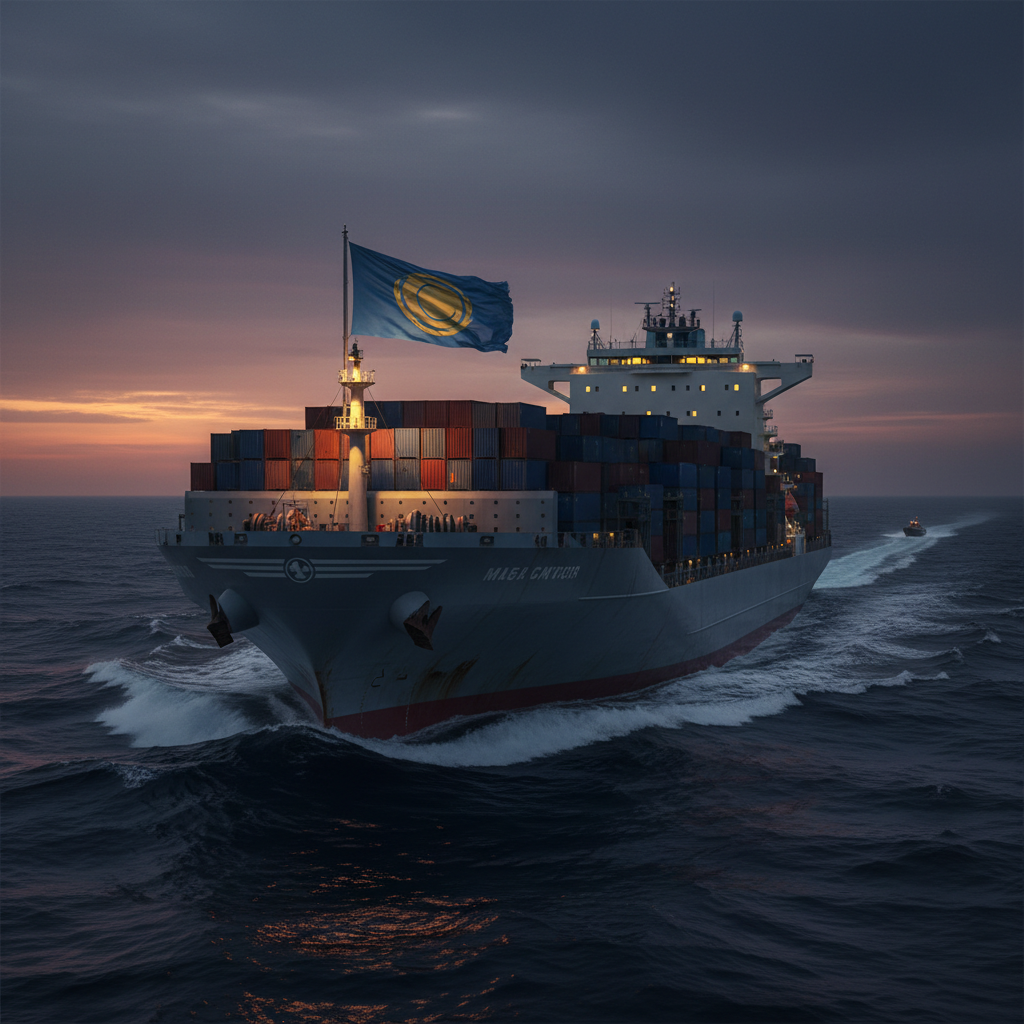
The strategic importance of key maritime chokepoints, such as the Gulf of Aden and the approaches to the Suez Canal, cannot be overstated. These waterways represent vital arteries for global trade, connecting Asia, Europe, and Africa. However, persistent geopolitical instability and the resurgence of maritime security threats, exemplified by incidents of piracy, compel shipping companies to reassess and often alter established routes. When vessels are forced to avoid high-risk areas, the most common alternative involves rerouting around the Cape of Good Hope, significantly extending voyage distances. This deviation adds considerable nautical miles to a journey that would otherwise be much shorter and more direct. The immediate consequence is a substantial increase in transit times for goods. For industries reliant on just-in-time (JIT) inventory systems, these extended transit periods can be catastrophic, leading to missed delivery windows, production line stoppages, and a general disruption of tightly choreographed supply chains. The unpredictable nature of these delays also makes scheduling more complex, creating ripple effects across port operations and inland logistics networks. A robust shipment-visibility control tower becomes indispensable here, offering real-time tracking and dynamic route adjustments, enabling logistics managers to anticipate delays and communicate updated estimated times of arrival (ETAs) to all stakeholders, mitigating some of the uncertainty.
Increased Operational Costs
The decision to reroute vessels or enhance security measures in response to geopolitical risks directly translates into a significant escalation of operational costs for carriers and, ultimately, for cargo owners. Longer voyages around alternative routes necessitate substantially higher fuel consumption, representing a major financial burden given the volatility of global energy markets. Beyond fuel, the heightened risk environment leads to a sharp increase in marine insurance premiums. War risk insurance and kidnap & ransom (K&R) coverage become essential, yet costly, prerequisites for transiting designated high-risk zones. Furthermore, shipping companies often invest in enhanced security protocols, which may include hiring private armed security teams, implementing vessel hardening measures (such as citadels), and conducting specialized crew training for evasive maneuvers. These additional security expenditures are substantial. Indirect costs also emerge, such as capital being tied up for longer periods due to extended transit times, potential demurrage charges at congested destination ports, and the risk of spoilage or obsolescence for time-sensitive or perishable goods. These accumulated costs erode profit margins for carriers and shippers alike, inevitably contributing to higher prices for consumers and impacting global trade competitiveness.
Supply Chain Delays and Disruptions
The cumulative effect of altered maritime routes and security incidents is a pervasive pattern of delays and disruptions throughout global supply chains. When vessels are forced to take longer paths, the direct impact is a delay in the arrival of goods at their intended destinations. However, the disruption extends far beyond individual shipments. Unpredictable arrival times create a cascade of problems at ports, leading to congestion as schedules become erratic and berth availability is strained. This congestion can further exacerbate delays, creating bottlenecks that affect multiple vessels and their onward cargo movements. For manufacturers operating with lean inventory strategies, even minor delays can halt production lines, leading to lost output and significant financial penalties. Retailers face challenges in maintaining stock levels, potentially resulting in empty shelves and lost sales opportunities. The global interconnectedness of modern supply chains means that a disruption in one region can have far-reaching consequences, impacting raw material availability, component delivery, and finished product distribution across continents. A shipment-visibility control tower offers critical advantages by providing predictive analytics on potential delays, allowing businesses to model various scenarios, implement contingency plans, and communicate proactively with suppliers and customers, thereby minimizing the downstream impact of disruptions.
Insurance and Risk Management Implications
Geopolitical events and maritime security threats fundamentally alter the landscape of marine insurance and risk management. Insurers respond to increased risks by re-evaluating their underwriting policies, often designating specific regions as high-risk zones. This leads to the imposition of significantly higher premiums for vessels and cargo transiting these areas. Beyond increased costs, policy terms become more stringent and complex, sometimes requiring specialized coverage that goes beyond standard marine insurance. Cargo owners and carriers are compelled to undertake more rigorous due diligence to ensure compliance with these evolving insurance requirements, which can include specific security measures or route adherence. The heightened risk environment also influences strategic decision-making, as some companies may choose to avoid high-risk waterways altogether, even if it means longer transit times and higher operational costs. This shift in risk perception can lead to changes in global trade patterns, with certain regions becoming less attractive for shipping due to prohibitive insurance costs or perceived threats. Effective risk management now requires continuous monitoring of geopolitical intelligence and proactive engagement with insurance providers to ensure adequate coverage and minimize exposure to financial losses.
Role of Technology in Mitigation
In an era of increasing geopolitical volatility and complex supply chain challenges, advanced technology, particularly a shipment-visibility control tower platform, becomes an indispensable tool for mitigation. Such a platform provides real-time, end-to-end visibility of all cargo movements, offering a single, comprehensive view of the global supply chain. This unparalleled visibility enables logistics professionals to monitor shipments traversing high-risk areas and immediately detect any deviations from planned routes or schedules. When incidents like piracy or geopolitical tensions arise, the control tower can leverage integrated threat intelligence to provide proactive alerts, allowing for swift decision-making. For instance, if a vessel is operating in a region with increased security risks, the platform can flag the shipment, enabling logistics teams to assess the situation and initiate rerouting protocols if necessary. Dynamic rerouting capabilities, informed by real-time data on vessel positions, weather, and geopolitical advisories, allow for optimized alternative routes that balance safety and efficiency. Furthermore, the control tower's ability to provide accurate, updated estimated times of arrival (ETAs) for all affected shipments is crucial for managing customer expectations, coordinating downstream logistics, and preventing further supply chain disruptions. By centralizing communication and providing actionable insights through data analytics, a shipment-visibility control tower empowers businesses to enhance their resilience, respond rapidly to unforeseen events, and maintain operational continuity in an increasingly unpredictable global trade environment.
Source: Dryad Global — https://channel16.dryadglobal.com/somali-piracy-azini-rescue-highlights-continuing-risks-in-the-gulf-of-aden