
DHL's China Expansion: A Catalyst for Global Supply Chain Agility and Financial Optimization
DHL Express's recent expansion of its logistics infrastructure and air network in China signals a strategic move with profound implications for global supply chains. This analysis delves into how this development will reshape trade flows, impact financial dynamics for shippers and carriers, and how a shipment-visibility control tower like MGS can empower businesses to leverage these enhanced capabilities for competitive advantage.
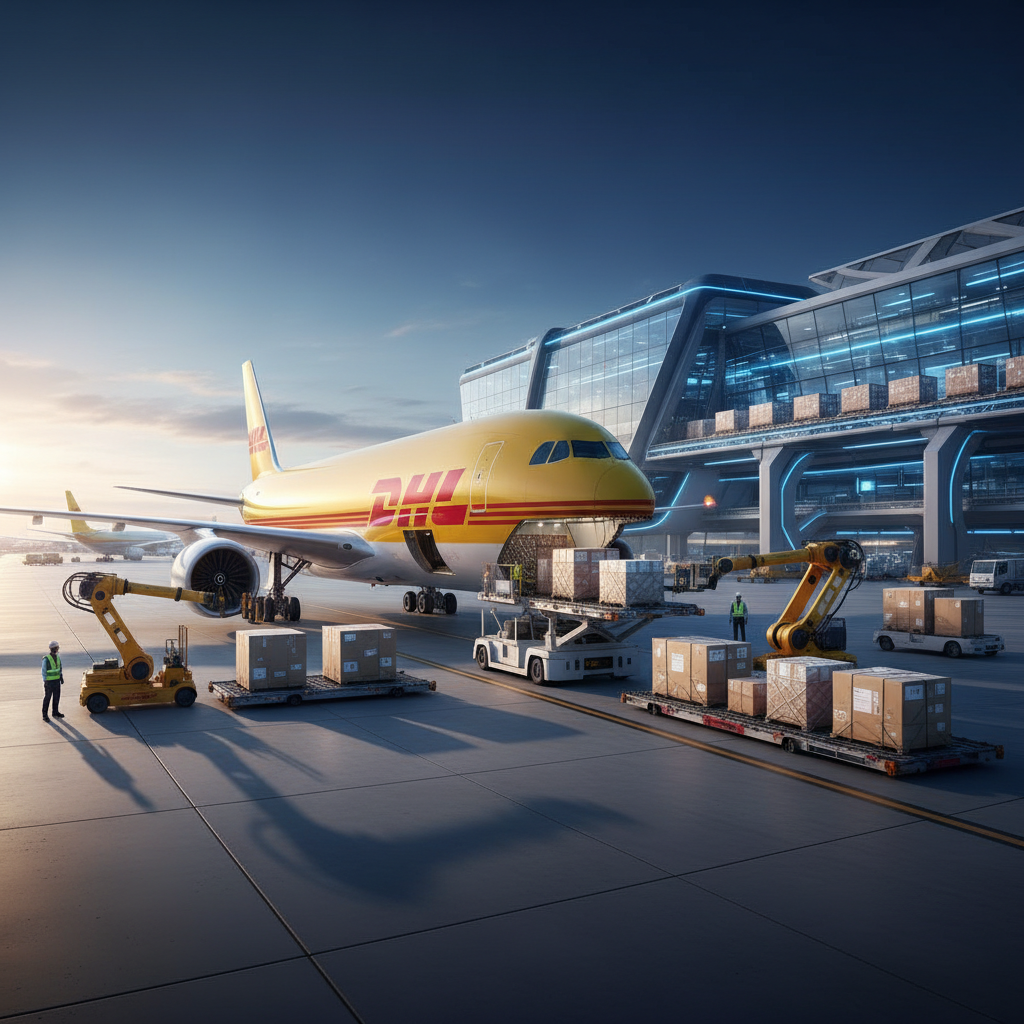
How this impacts the global supply chain
DHL's strategic expansion of its logistics infrastructure and air network in China marks a pivotal development for global supply chains. This investment directly influences several key operational and strategic dimensions. Firstly, it significantly enhances capacity and alleviates potential bottlenecks within a critical global manufacturing and consumption hub. By increasing physical infrastructure and air freight capabilities, DHL enables a greater volume of high-value, time-sensitive, and e-commerce-driven shipments to move more efficiently, improving overall flow and reducing congestion.
Secondly, the expanded air network is likely to lead to route optimization and increased network resilience. More direct routes or heightened flight frequencies translate into shorter transit times and greater flexibility. For global supply chains, this means improved predictability and reliability, as goods have more diverse pathways, reducing vulnerability to disruptions from weather, port congestion, or other unforeseen events. This inherent diversification strengthens supply chain resilience.
Thirdly, this move drives operational efficiency and speed. The core promise of express logistics is rapid delivery, and DHL's investment aims to streamline processes within China and accelerate international connections. Enhanced efficiency translates into quicker customs clearance, faster handling at hubs, and reduced dwell times, allowing products to reach destinations faster, supporting quicker market entry and more responsive inventory management.
Finally, this expansion provides crucial support for cross-border e-commerce and global trade growth. It reinforces China's central role by providing robust logistical arteries for both inbound materials and outbound finished products. This strengthens the interconnectedness of global supply chains, making it easier for businesses worldwide to engage with the Chinese market, and signals a long-term commitment to maintaining robust connectivity despite evolving geopolitical landscapes.
Global financial impact
The expansion of DHL's international express logistics capacity in China carries substantial financial and cost implications for various stakeholders across the global trade ecosystem.
For shippers and businesses, the primary financial benefits stem from reduced operational costs and improved revenue potential. Faster, more reliable express services enable businesses to operate with leaner inventories, thereby lowering carrying costs, warehousing expenses, and the risk of product obsolescence. Quicker transit times also accelerate cash flow by speeding up delivery and payment cycles. Furthermore, enhanced market responsiveness, driven by improved speed and reliability, can lead to increased sales opportunities and a stronger competitive position, directly impacting revenue generation. While express shipping is a premium service, the indirect cost savings from optimized inventory and accelerated cash flow can significantly outweigh direct shipping expenses.
For carriers, particularly DHL, this represents a significant capital investment. The financial return is predicated on sustained demand and high utilization rates, aiming to solidify or expand market share in the lucrative express logistics sector. This investment also intensifies the competitive landscape. Other carriers may be compelled to invest or innovate to retain their customer base, potentially leading to more competitive pricing and service offerings across the industry, ultimately benefiting shippers.
At the broader level of global trade and economy, this expansion facilitates increased cross-border e-commerce, lowering barriers for businesses to access international markets. It supports high-value manufacturing and supply chains that depend on just-in-time delivery, bolstering the financial viability and growth of these critical sectors. A more robust and resilient logistics network implicitly reduces the risk premium associated with international trade, encouraging greater global engagement and contributing to overall economic growth.
How MGS can help navigate today's global trade environment
In light of DHL's significant expansion in China, a shipment-visibility control tower like MGS becomes an invaluable asset for businesses seeking to fully capitalize on these enhanced capabilities and effectively manage global trade complexities. MGS provides the crucial intelligence and operational oversight needed to translate increased capacity into tangible competitive advantages.
Firstly, MGS offers real-time performance monitoring and optimization. As DHL rolls out new infrastructure and air networks, MGS enables businesses to track shipments through these improved routes, comparing actual transit times against planned schedules. This allows for immediate assessment of new service performance, identifying optimal routes and carrier selections based on live data, rather than historical averages.
Secondly, MGS facilitates enhanced proactive exception management. The increased network complexity means potential deviations from planned routes or schedules can be instantly flagged. MGS's end-to-end visibility ensures that any disruptions, whether operational or external, trigger immediate alerts. This empowers businesses to respond swiftly, rerouting critical shipments, informing downstream partners, or adjusting production plans, thereby mitigating costly delays before they escalate.
Thirdly, MGS supports strategic carrier performance management. DHL's expansion introduces new service level agreements and options. MGS allows businesses to objectively evaluate DHL's performance against these new benchmarks, consolidating data on transit times, on-time delivery rates, and cost-effectiveness across all logistics partners. This data-driven approach is essential for negotiating future contracts, ensuring service level adherence, and optimizing carrier portfolio choices.
Finally, MGS contributes to improved inventory and supply chain planning. By integrating real-time shipment data with predictive analytics, MGS provides accurate estimated times of arrival (ETAs). This enables businesses to reduce safety stock levels, optimize production schedules, and streamline warehouse operations, directly leveraging the increased reliability and speed offered by DHL's expanded network for greater efficiency and cost savings.
Demand–supply analysis & improvement
DHL's strategic decision to expand its international express logistics infrastructure and air network in China is a direct response to, and an enabler of, evolving demand-supply dynamics in global trade. This move clearly indicates a perception of robust and sustained demand for rapid, reliable cross-border movement of goods involving China.
The demand dynamics driving this expansion are multifaceted. Continued growth in cross-border e-commerce, where consumers and businesses expect increasingly faster delivery, is a significant factor. Furthermore, the global emphasis on supply chain resilience and agility post-disruption has elevated the importance of express services for quickly moving critical components, samples, or finished products. Industries handling high-value and time-sensitive goods—such as electronics, pharmaceuticals, and automotive—also contribute substantially to this demand, as their operational models depend heavily on expedited logistics.
On the supply side, DHL's expansion injects substantial new capacity, offering concrete improvement levers for businesses. This enhanced supply translates into improved responsiveness and market access. Businesses can achieve faster time-to-market for products from China or quicker replenishment of stock, allowing them to capitalize more effectively on market opportunities and reduce stock-out risks. It also enables optimized lead times and production cycles for manufacturers relying on Chinese components, fostering more agile production planning.
Moreover, the increased capacity provides diversification of shipping options, offering greater flexibility in balancing speed, cost, and reliability for various shipment types. This can lead to more favorable Service Level Agreements (SLAs) with carriers. Ultimately, this improved supply facilitates strategic inventory management, allowing a shift from large buffer stocks towards more lean, just-in-time models, thereby freeing up capital and reducing warehousing costs. This expansion is a proactive step to meet and shape future demand for expedited global trade.
Source: Courier News — https://couriernews.co.uk/blog/dhl-expands-international-express-logistics-capacity-in-china/