
DHL's Changi Coldchain Hub: A Strategic Leap for Global Healthcare Logistics
DHL's new 3,047m2 Singapore Coldchain Hub at Changi Airport represents a significant investment in specialized healthcare logistics, poised to reshape the global distribution of value, time- and temperature-sensitive cargo. This analysis explores its impact on supply chains, financial implications, and how advanced visibility platforms like MGS are crucial for navigating this evolving landscape.
How this impacts the global supply chain
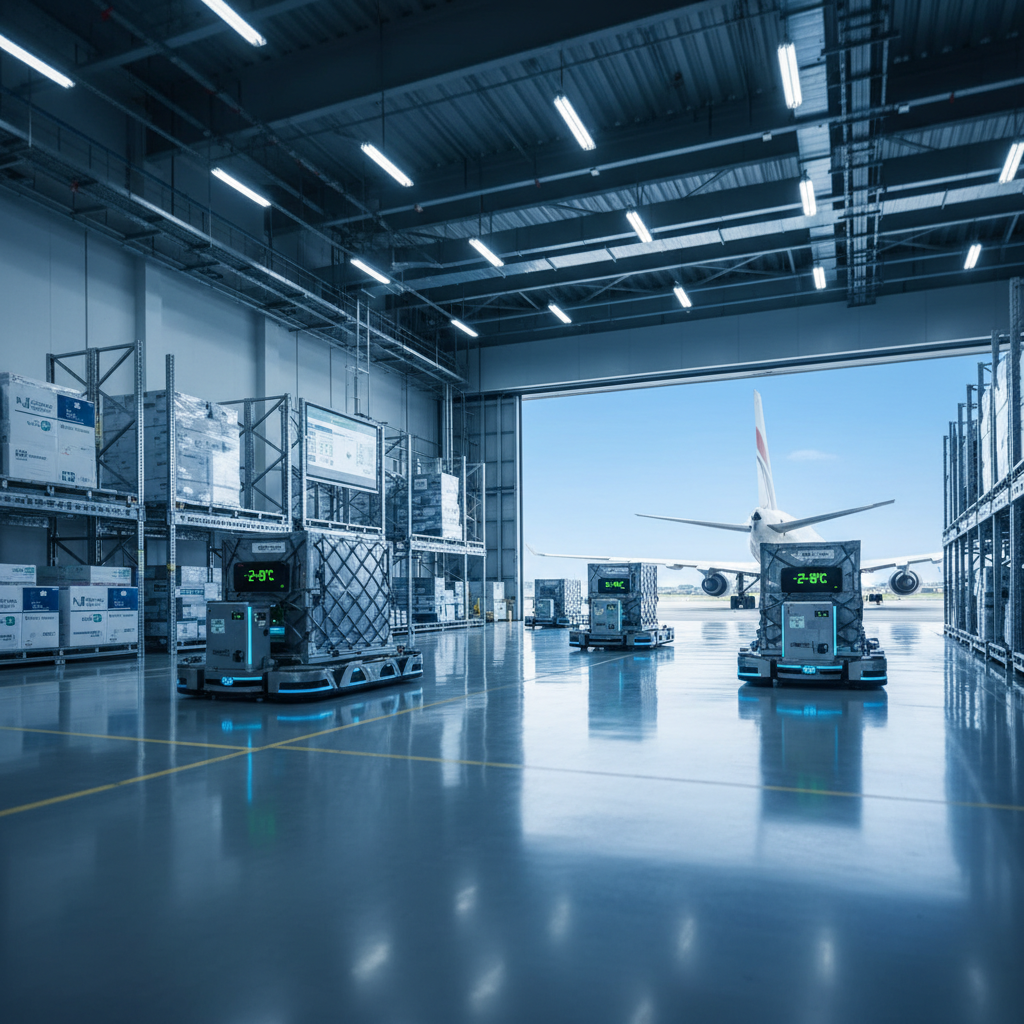
The establishment of DHL's dedicated healthcare logistics facility at Changi Airport marks a significant evolution in global supply chain dynamics, particularly for the highly specialized sector of healthcare and life sciences. This 3,047m2 Singapore Coldchain Hub, strategically located within the Changi Airfreight Centre, is poised to reshape how value, time- and temperature-sensitive cargo moves through the Asia-Pacific region and beyond.
In terms of flows, the new hub will undoubtedly consolidate and streamline the movement of critical pharmaceutical products, vaccines, and biotechnological materials. By providing a centralized, state-of-the-art cold chain infrastructure, it will likely attract a greater volume of such specialized cargo to Changi, potentially re-routing shipments that previously used less optimized pathways or multiple transshipment points. This concentration of sensitive goods in a purpose-built facility minimizes handling risks and ensures product integrity throughout the transit process, which is paramount for healthcare items.
Regarding routes, Changi Airport's position as a major international air cargo hub will be further solidified, specifically as a gateway for healthcare logistics. The direct airside access feature is a critical enabler, drastically reducing the time cargo spends outside controlled environments and mitigating exposure to temperature fluctuations. This enhancement will foster more efficient and direct routes for healthcare products originating from or destined for the Asia-Pacific market, connecting seamlessly with global air networks. It positions Changi as a preferred strategic node for pharmaceutical manufacturers and distributors seeking reliable cold chain solutions in a high-growth region.
The addition of 3,047m2 of specialized, temperature-controlled warehousing significantly boosts capacity for sensitive goods in the region. This isn't just any warehouse space; it's purpose-built for stringent healthcare requirements, indicating an increase in high-quality, compliant storage and handling capacity. This expansion directly addresses the growing global demand for robust cold chain logistics, especially in light of increasing complexity in pharmaceutical products and the need for global distribution of temperature-sensitive biologics.
From an operations perspective, the facility promises enhanced efficiency and reliability. The integration of advanced temperature-control capabilities ensures precise environmental management, critical for maintaining the efficacy and safety of healthcare products. Direct airside access simplifies the transfer process between aircraft and the hub, minimizing dwell times and operational complexities. This operational streamlining translates into faster transit times, reduced risk of product degradation, and improved overall service levels for shippers of critical healthcare cargo. It represents a proactive step towards building more resilient and specialized supply chains capable of handling the unique demands of the modern healthcare industry.
Global financial impact
The financial implications stemming from DHL's investment in the Singapore Coldchain Hub are multifaceted, influencing shippers, carriers, and the broader landscape of global trade. This strategic move, part of DHL Group’s substantial €2bn (US$2.3bn) investment in DHL Health Logistics under Strategy 2030, underscores a clear financial commitment to a high-value sector.
For shippers of healthcare and life sciences products, the new facility presents a compelling value proposition. While specialized cold chain logistics services may command a premium compared to general cargo, the potential for significant cost savings through reduced spoilage, damage, and product loss is substantial. For highly sensitive and expensive pharmaceuticals, a single incident of temperature excursion can render an entire batch unusable, leading to losses in the millions. The enhanced reliability, precise temperature control, and direct airside access offered by the Changi hub directly mitigate these risks, effectively lowering the total cost of ownership for sensitive cargo. Furthermore, faster and more reliable delivery can accelerate time-to-market for critical medicines, translating into earlier revenue generation and competitive advantage. Improved supply chain integrity also reduces the need for costly buffer stocks and extensive quality control measures at destination, optimizing inventory holding costs.
From the perspective of carriers, specifically DHL Global Forwarding, this investment is a strategic play to capture a larger share of the lucrative and growing healthcare logistics market. The €2bn (US$2.3bn) allocation signifies a long-term commitment to developing specialized infrastructure and capabilities. By offering a best-in-class facility like the 3,047m2 Singapore Coldchain Hub, DHL can attract high-value clients and command premium pricing for its specialized services. This investment is expected to generate increased revenue streams and strengthen DHL's market position, particularly in the Asia-Pacific region, by differentiating its offerings from general cargo logistics providers. The efficiency gains from direct airside access and optimized operations will also contribute to better operational margins.
For trade at large, the establishment of such advanced healthcare logistics infrastructure facilitates the global distribution of essential medicines, vaccines, and advanced medical technologies. This directly supports public health initiatives and economic development, especially in emerging markets within Asia-Pacific. By ensuring the integrity of temperature-sensitive goods, the hub helps overcome significant logistical barriers to trade in pharmaceuticals, fostering greater market access and enabling a more robust global healthcare supply chain. This, in turn, can stimulate innovation in the life sciences sector, as companies gain confidence in their ability to distribute novel, sensitive products globally. The increased efficiency and reliability contribute to a more predictable and resilient global trading environment for critical healthcare commodities, ultimately benefiting economies and populations worldwide.
How MGS can help navigate today's global trade environment
In an environment where the integrity of "value, time- and temperature-sensitive healthcare and life sciences cargo" is paramount, a sophisticated shipment-visibility control tower like MGS becomes an indispensable tool for operators leveraging facilities such as DHL's new Singapore Coldchain Hub. The inherent complexities of cold chain logistics, coupled with the high stakes involved, necessitate real-time, granular insight into every stage of a shipment's journey.
MGS provides end-to-end visibility that transcends traditional tracking, offering a comprehensive digital twin of the physical supply chain. For healthcare shipments moving through a specialized hub with direct airside access, this means more than just knowing where a package is. It means monitoring critical environmental parameters, such as temperature, in real-time. MGS can integrate with IoT sensors within the cold chain packaging or facility, providing continuous data streams that are crucial for maintaining product efficacy. Any deviation from pre-defined temperature ranges triggers immediate, automated alerts, allowing operators to intervene proactively before product integrity is compromised. This capability is vital for expensive pharmaceuticals where even minor excursions can lead to significant financial losses and regulatory non-compliance.
Furthermore, MGS enhances operational efficiency by providing a unified view of all shipments entering or exiting the 3,047m2 cold chain hub. With direct airside access designed to minimize transit times, MGS can track the precise handoff points and dwell times, identifying any bottlenecks or delays that could impact time-sensitive cargo. Its predictive analytics capabilities can leverage historical data and real-time conditions (e.g., flight schedules, ground handling status) to forecast potential arrival or departure delays, enabling proactive planning for onward distribution or customs clearance. This level of foresight is critical for managing complex international healthcare supply chains, where missed connections or prolonged customs hold-ups can have severe consequences for product viability.
Beyond real-time monitoring, MGS facilitates robust compliance and audit trails. For healthcare products, regulatory requirements are stringent, demanding meticulous documentation of handling conditions. The platform automatically aggregates and stores all relevant data—temperature logs, transit times, handling events—creating an immutable record that supports regulatory audits and quality assurance processes. This digital record-keeping significantly reduces manual effort and the risk of human error, ensuring that shipments meet the exacting standards required for pharmaceutical distribution. By providing this transparent and verifiable data, MGS empowers operators to demonstrate due diligence and maintain the highest standards of quality and safety, which is essential when dealing with the "value, time- and temperature-sensitive" cargo handled by the DHL Singapore Coldchain Hub. In essence, MGS transforms raw data into actionable intelligence, enabling swift, informed decisions that protect high-value cargo and optimize complex cold chain operations.
Demand–supply analysis & improvement
The establishment of the DHL Singapore Coldchain Hub, a 3,047m2 facility dedicated to healthcare logistics, serves as a clear indicator of evolving demand-supply dynamics within the global pharmaceutical and life sciences sector. DHL Group’s substantial €2bn (US$2.3bn) investment in DHL Health Logistics under Strategy 2030, with this hub being a tangible component, directly reflects an anticipated surge in demand for highly specialized cold chain solutions, particularly across Asia-Pacific.
The underlying demand is driven by several factors. Firstly, the pharmaceutical pipeline increasingly features complex, temperature-sensitive biologics, vaccines, and advanced therapies that require stringent cold chain integrity from manufacturing to patient. Secondly, population growth and rising healthcare expenditure in the Asia-Pacific region are fueling a greater need for reliable distribution of these critical medicines. Praveen Gregory's reference to "Healthcare supply chains across Asia-Pacific" highlights this regional focus, where economic development often correlates with increased demand for sophisticated healthcare services and products. The global experience with vaccine distribution has also underscored the critical importance of robust, scalable cold chain infrastructure.
In response to this escalating demand, DHL is actively increasing the supply of specialized logistics capacity. The new Singapore Coldchain Hub, with its advanced temperature-control capabilities and direct airside access, is a concrete improvement lever. It addresses a gap in the market for high-quality, compliant cold chain facilities capable of handling "value, time- and temperature-sensitive" cargo efficiently. This expansion of dedicated infrastructure directly enhances the available supply of secure, specialized storage and transit services, meeting the stringent requirements of pharmaceutical manufacturers.
Key improvement levers revealed by this development include:
- Strategic Infrastructure Investment: The creation of purpose-built facilities like the 3,047m2 hub, rather than retrofitting general warehouses, ensures optimal conditions for sensitive cargo.
- Technological Integration: Advanced temperature-control systems are non-negotiable for cold chain integrity, ensuring product efficacy and compliance.
- Operational Efficiency: Direct airside access dramatically reduces transfer times and exposure risks, streamlining the supply chain and improving speed to market.
- Regional Hub Development: Concentrating specialized capabilities in key strategic locations like Changi Airport strengthens regional distribution networks and enhances connectivity to global markets.
These improvements collectively aim to bridge the gap between the complex demands of modern healthcare products and the logistical capabilities required to deliver them safely and efficiently, thereby optimizing the balance between demand and supply in this critical sector.
ROI-focused resilience
DHL's significant investment in the Singapore Coldchain Hub, part of a broader €2bn (US$2.3bn) commitment to DHL Health Logistics, represents a clear strategy for building resilience with a strong return on investment (ROI) focus, particularly for "value, time- and temperature-sensitive healthcare and life sciences cargo." The decision to establish a 3,047m2 facility with advanced features directly addresses quantified risks in the cold chain, aiming to protect substantial financial and reputational assets.
The primary quantified risk in handling sensitive healthcare cargo is product spoilage or degradation due to temperature excursions or mishandling. A single batch of high-value pharmaceuticals or vaccines can be worth millions of dollars. For instance, if a shipment of specialized biologics, which often cost thousands per dose, is compromised due to a cold chain breach, the financial loss is direct, immediate, and substantial. Beyond the product cost, there are costs associated with re-manufacturing, re-shipping, potential regulatory fines for non-compliance, and damage to brand reputation and patient trust. Delays caused by inadequate infrastructure or processes can also lead to expired products or missed market opportunities, representing lost revenue.
The investment in the DHL Singapore Coldchain Hub directly mitigates these risks. The 3,047m2 facility, equipped with state-of-the-art temperature-control capabilities, provides a secure and compliant environment. This investment protects against the risk of temperature deviations, which is the leading cause of spoilage for sensitive goods. The direct airside access further enhances resilience by minimizing the time critical cargo spends in uncontrolled environments during transfer, thereby reducing the probability of exposure to adverse conditions and associated losses. This operational streamlining translates into fewer incidents of product damage or loss.
The ROI for this resilience investment is derived from several key areas:
- Loss Prevention: By preventing spoilage and damage, the hub directly saves the value of the cargo itself, which for high-value healthcare products, can quickly offset the operational costs of the specialized facility.
- Regulatory Compliance & Market Access: Maintaining strict cold chain integrity ensures compliance with global health regulations, preventing costly fines, product recalls, and enabling uninterrupted market access for critical medicines.
- Enhanced Reputation & Customer Loyalty: Reliable delivery of intact, effective healthcare products builds trust with pharmaceutical companies and ultimately, patients, securing long-term business relationships.
- Operational Efficiency & Speed-to-Market: Reduced handling risks and faster transit times (due to direct airside access) mean products reach their destinations quicker, allowing for earlier revenue realization and competitive advantage.
In essence, DHL's investment is not merely an expenditure but a strategic safeguard against high-impact, quantifiable risks. The resilience built into the Singapore Coldchain Hub ensures the integrity of critical healthcare supply chains, delivering a clear ROI through loss prevention, compliance assurance, and sustained market leadership in a vital sector.
Source: Parcel and Postal Technology International — https://www.parcelandpostaltechnologyinternational.com/news/logistics/dhl-to-open-healthcare-logistics-center-at-changi-airport.html