
DHL and LONGi: The Strategic Convergence of Solar Logistics and Carbon-Neutral Supply Chains
An analysis of the DHL-LONGi partnership, exploring how integrating renewable energy deployment with low-emission logistics reshapes global supply chain operations, financial structures, and visibility requirements.
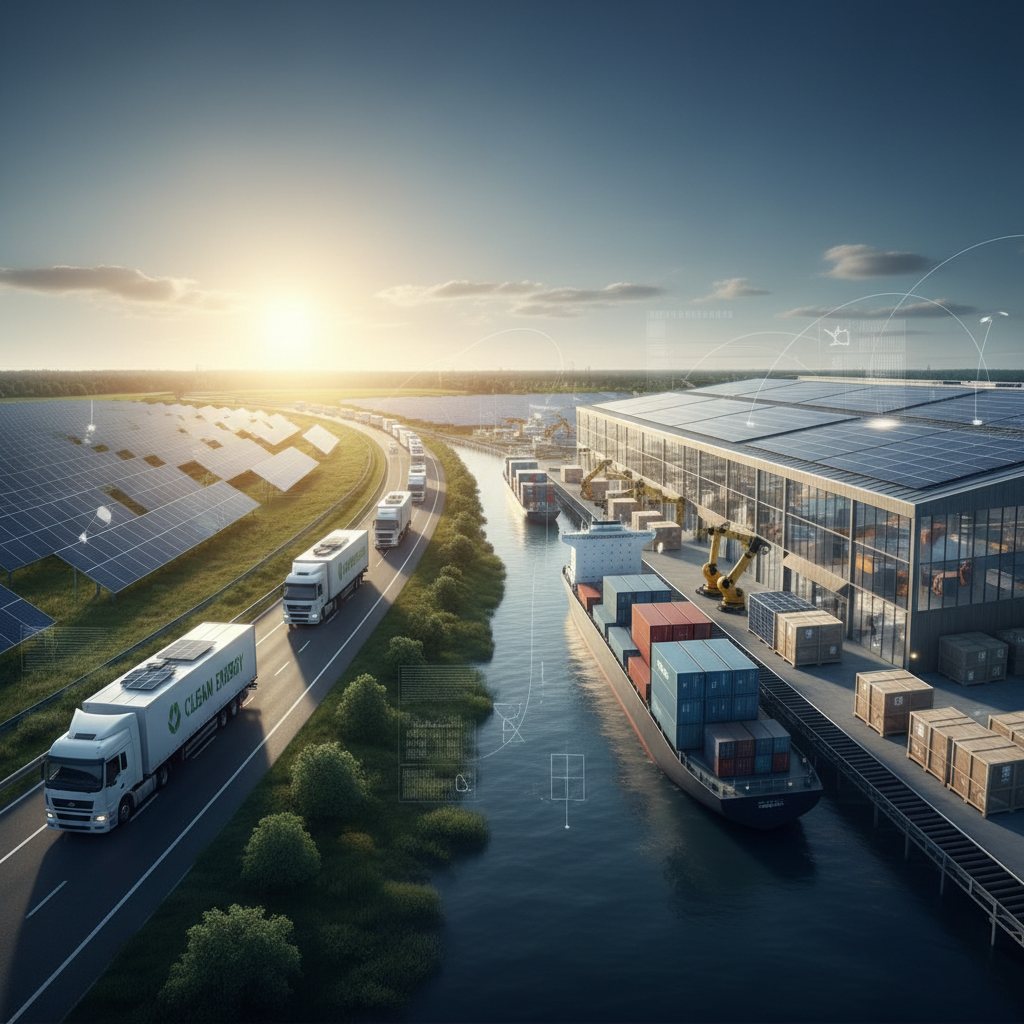
How this impacts the global supply chain
The announcement of a strategic partnership between DHL Group and LONGi represents a significant structural shift in how high-value, environmentally sensitive commodities are moved across global trade lanes. LONGi, a global leader in solar technology, relies on a complex, multi-tiered supply chain that spans raw material extraction, component manufacturing, and final assembly. By aligning with DHL, a logistics giant with an extensive global network, the partnership signals a move toward integrated, end-to-end supply chain solutions that prioritize not just speed and cost, but also environmental sustainability.
This development impacts global supply-chain flows by introducing a new standard for "green logistics" in the renewable energy sector. Traditionally, the transport of solar panels and related technology has been viewed through the lens of volume and fragility. However, the collaboration suggests a re-engineering of these flows to minimize carbon footprints. This likely involves optimized routing, modal shifts (such as prioritizing rail or sea over air where feasible), and the use of sustainable packaging materials. For the broader industry, this sets a precedent that may pressure other logistics providers to offer similar low-emission options to remain competitive in the renewable energy market.
Furthermore, the partnership affects capacity planning. Solar technology components are often bulky and require specialized handling. By working closely with LONGi, DHL can better anticipate capacity needs, ensuring that dedicated resources are available for these specific shipments. This reduces the risk of bottlenecks during peak production periods and enhances the reliability of delivery schedules. The integration of renewable energy deployment with logistics also implies a deeper level of coordination between manufacturers and carriers, leading to more synchronized operations and reduced idle times in the supply chain.
Global financial impact
From a financial perspective, the DHL-LONGi partnership has multifaceted implications for shippers, carriers, and the broader trade ecosystem. For LONGi, the primary financial benefit lies in risk mitigation and brand value enhancement. As global regulations around carbon emissions tighten, companies face increasing financial penalties and operational constraints. By partnering with DHL to lower emissions in logistics, LONGi can potentially avoid future carbon taxes and comply with stringent environmental, social, and governance (ESG) criteria required by investors and customers. This compliance can translate into better access to capital and more favorable terms in international trade agreements.
For DHL, the partnership offers a revenue diversification opportunity. The renewable energy sector is experiencing exponential growth, driven by global commitments to net-zero emissions. By positioning itself as a key logistics partner for solar technology deployment, DHL can capture a larger share of this growing market. The investment in low-emission logistics capabilities, while initially costly, can lead to long-term cost savings through improved efficiency and reduced fuel consumption. Additionally, the partnership enhances DHL’s brand equity, attracting other sustainability-focused clients across various industries.
At a macroeconomic level, this collaboration supports the global transition to renewable energy by reducing the logistical barriers and costs associated with solar technology deployment. Lower logistics costs and improved reliability can make solar energy more affordable and accessible, accelerating adoption rates. This, in turn, can lead to significant economic benefits, including job creation in the renewable energy sector and reduced dependence on fossil fuels. However, it is important to note that the initial transition to low-emission logistics may involve higher upfront costs, which could be passed on to consumers in the short term. Over time, however, the efficiency gains and regulatory advantages are expected to offset these costs, resulting in a more sustainable and economically resilient supply chain.
How MGS can help navigate today's global trade environment
In an era where supply chains are increasingly complex and subject to disruption, visibility is paramount. A shipment-visibility control tower like MGS plays a crucial role in enabling operators to navigate the challenges posed by partnerships like that of DHL and LONGi. By providing real-time data on shipment locations, statuses, and conditions, MGS allows stakeholders to monitor the entire supply chain from origin to destination. This level of transparency is essential for ensuring that low-emission logistics strategies are being executed as planned and for identifying any deviations that could impact sustainability goals.
MGS helps operators respond to disruptions by offering predictive analytics and scenario planning capabilities. For instance, if a shipment of solar panels is delayed due to weather conditions or port congestion, MGS can alert stakeholders immediately and suggest alternative routes or modes of transport that minimize both delay and carbon emissions. This proactive approach reduces the risk of costly delays and ensures that sustainability commitments are maintained even in the face of unforeseen challenges.
Furthermore, MGS facilitates collaboration between shippers, carriers, and other supply chain partners. By providing a shared view of the supply chain, MGS enables better coordination and decision-making. This is particularly important in partnerships like DHL and LONGi, where multiple parties are involved in the logistics process. Improved collaboration leads to more efficient operations, reduced waste, and enhanced customer satisfaction. Ultimately, MGS empowers operators to not only meet their sustainability goals but also to optimize their supply chain performance in a dynamic and uncertain global trade environment.
Source: ESG Today — https://www.esgtoday.com/dhl-partner-on-renewable-energy-deployment-lower-emissions-logistics/?utm_source=rss&utm_medium=rss&utm_campaign=dhl-partner-on-renewable-energy-deployment-lower-emissions-logistics