
Decarbonizing Maritime: Microsoft and Norden Pilot a New Era of Sustainable Fuel Procurement
A recent pilot transaction between Microsoft and Norden signals a significant shift in how global supply chains approach maritime decarbonization. This 'Book & Claim' system for sustainable fuels could redefine emissions reduction strategies for shippers and carriers alike.
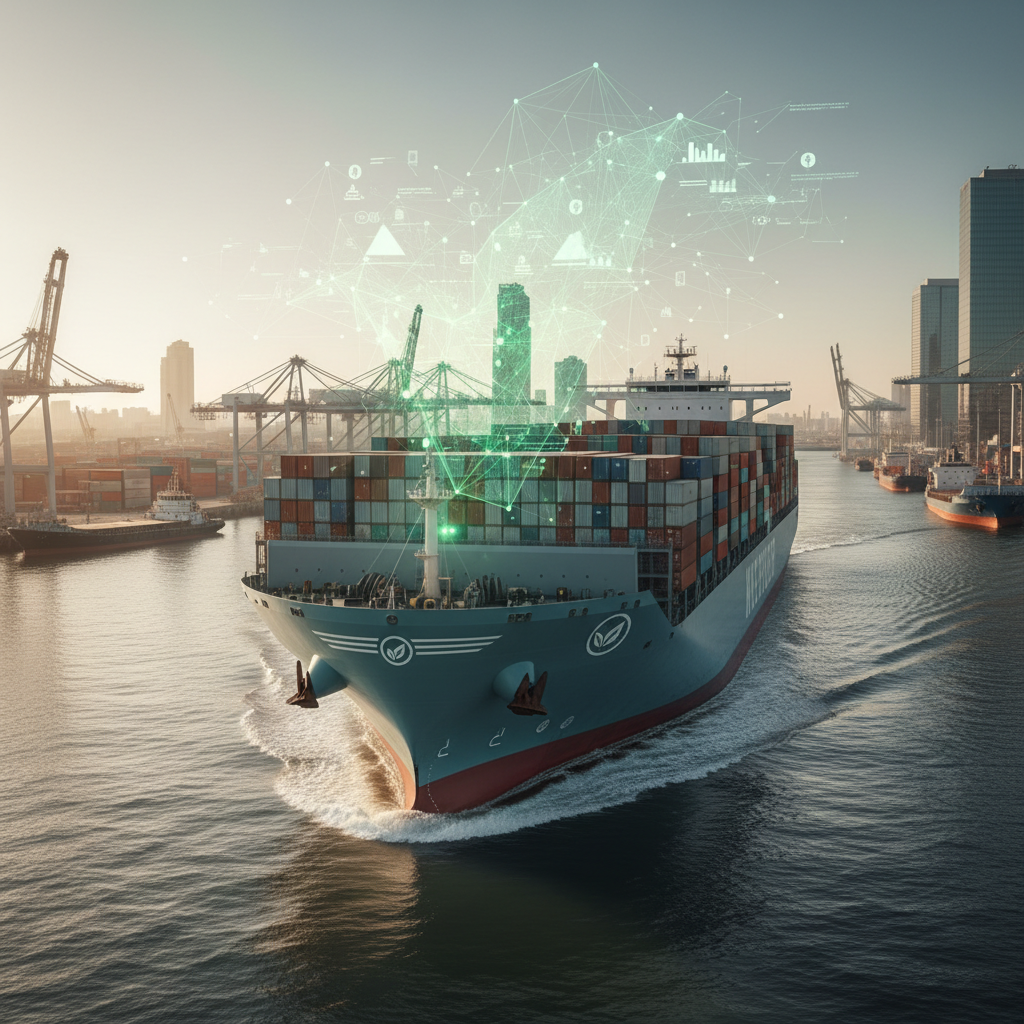
How this impacts the global supply chain
The pilot transaction between Microsoft and Norden, focusing on a 'Book & Claim' system for maritime sustainable fuel, introduces a novel mechanism for decarbonizing ocean freight without immediately altering physical shipping routes or vessel capacity. This development primarily impacts the accounting and procurement aspects of global supply chains, rather than the immediate physical flow of goods.
From an operational standpoint, the 'Book & Claim' model allows shippers, such as Microsoft, to purchase the environmental attributes (emissions reductions) associated with sustainable marine fuels, even if their specific cargo isn't transported on a vessel physically consuming that fuel. This decouples the environmental benefit from the physical movement of goods, making it easier for a wider range of companies to invest in decarbonization without needing to secure dedicated green shipping lanes or specialized vessels. This flexibility could accelerate the adoption of sustainable fuel initiatives by lowering the logistical barriers for participation.
For carriers like Norden, this system creates a clear financial incentive to invest in and utilize sustainable fuels. By selling the environmental attributes, they can recoup the higher costs associated with these fuels, de-risking their investments in green technologies and infrastructure. While it doesn't directly increase vessel capacity, it could indirectly influence future fleet composition and investment strategies, pushing carriers towards more sustainable options as demand for these 'claims' grows.
In terms of global supply chain flows, the immediate impact is minimal. Vessels continue to operate on existing routes. However, as the 'Book & Claim' system gains traction, it could lead to a more nuanced approach to carrier selection, where a carrier's commitment to sustainable fuel procurement and its ability to offer verifiable 'claims' become a competitive differentiator alongside traditional metrics like cost and transit time. This could subtly shift freight allocations over time towards more environmentally conscious logistics providers, fostering a greener ecosystem in the long run. The primary change is in how emissions are accounted for and reduced, creating a virtual green supply chain layer atop the physical one.
Global financial impact
The financial implications of a 'Book & Claim' system for sustainable maritime fuel are significant for all stakeholders in global trade. For shippers, this model represents an additional cost, as they pay a premium to acquire the environmental attributes or 'claims' associated with sustainable fuels. This cost is an investment in meeting their corporate ESG (Environmental, Social, and Governance) targets and reducing their Scope 3 emissions. While it adds to the overall logistics expenditure, it provides a financially viable pathway to decarbonization that avoids the potentially prohibitive costs and logistical complexities of physically ensuring their cargo is carried on sustainable-fuel vessels. The financial benefit for shippers comes from enhanced brand reputation, compliance with evolving regulatory landscapes, and access to green financing or investor capital that prioritizes sustainability.
For carriers, the 'Book & Claim' system offers a crucial mechanism to offset the higher price of sustainable marine fuels compared to conventional bunker fuel. The revenue generated from selling these 'claims' can help bridge the financial gap, making investments in sustainable fuel procurement and consumption more economically feasible. This de-risks their transition to greener operations and allows them to monetize their sustainability efforts, potentially creating a new, premium service offering for environmentally conscious clients. It encourages innovation and investment in sustainable fuel production and infrastructure, as there's a clearer demand signal and a pathway to financial return.
For trade at large, this system introduces a new financial instrument into the maritime sector – the 'claim' or environmental attribute. This could lead to the development of a more sophisticated market for carbon credits or similar instruments within shipping. While it may contribute to a slight increase in overall shipping costs as the premiums for sustainable fuel attributes become more widespread, this is balanced against the long-term economic benefits of mitigating climate change risks, avoiding future carbon taxes, and ensuring the sustainability of global trade routes. It fosters a more transparent and accountable financial framework for environmental performance in logistics, potentially influencing commodity pricing and supply chain financing decisions over time.
How MGS can help navigate today's global trade environment
In an increasingly complex global trade environment, where sustainability initiatives like the 'Book & Claim' system are gaining traction, a robust shipment-visibility control tower like MGS becomes an indispensable tool for operators. The introduction of 'Book & Claim' adds a new layer of data and accountability, which MGS is uniquely positioned to manage.
Firstly, MGS can provide enhanced transparency and data integration. As shippers purchase sustainable fuel 'claims', they need to accurately track these against their actual freight movements and overall emissions footprint. MGS can integrate data from 'Book & Claim' transactions with real-time shipment data, offering a consolidated view of both physical cargo movement and associated environmental attribute purchases. This allows operators to see not just where their goods are, but also how their decarbonization efforts are progressing in relation to those shipments.
Secondly, MGS facilitates accurate emissions reporting and compliance. With stricter regulations on Scope 3 emissions on the horizon, companies need precise data to report their environmental impact. By linking 'Book & Claim' purchases to specific freight volumes and routes within the MGS platform, operators can generate verifiable reports on their emissions reductions, demonstrating compliance and progress towards sustainability goals. This moves beyond simple tracking to provide actionable insights for environmental performance management.
Furthermore, MGS can support informed decision-making for carrier selection and route optimization. As sustainable fuel options become more prevalent, MGS can incorporate carriers' participation in 'Book & Claim' programs or their use of sustainable fuels as a key metric alongside cost, transit time, and reliability. This allows operators to make strategic choices that align with both their operational efficiency and sustainability objectives, identifying carriers and routes that offer the best balance of performance and environmental responsibility. The control tower transforms raw data into strategic intelligence, helping operators navigate the evolving landscape of green logistics without forcing a sales pitch, but by genuinely providing the tools needed for this new era of reporting and decision-making.
Demand–supply analysis & improvement
The Microsoft-Norden pilot transaction reveals a critical dynamic in the nascent market for sustainable maritime fuels: a strong demand from shippers for decarbonization solutions, juxtaposed with a limited physical supply of sustainable fuels and the infrastructure to deliver them. The 'Book & Claim' system serves as an ingenious mechanism to bridge this gap, effectively creating an artificial 'supply' of environmental attributes that can be traded.
On the demand side, companies like Microsoft are under increasing pressure from investors, consumers, and regulators to reduce their carbon footprint across their entire supply chain. This generates a clear demand for verifiable emissions reductions in maritime transport. However, the physical availability of sustainable marine fuels (like biofuels or e-fuels) is currently insufficient to meet this widespread demand, and retrofitting or building new vessels to run on these fuels is a capital-intensive, long-term endeavor.
The 'Book & Claim' system acts as a powerful improvement lever by separating the environmental benefit from the physical fuel. This allows shippers to financially support the production and uptake of sustainable fuels without requiring their specific cargo to be on a vessel using that fuel. This aggregated demand, channeled through 'claims,' provides the necessary financial incentive for carriers and fuel producers to invest in increasing the physical supply of sustainable fuels and the bunkering infrastructure required. It accelerates the scaling of the sustainable fuel market by creating a liquid market for its environmental attributes, thereby stimulating both production and adoption. This mechanism helps to overcome the initial chicken-and-egg problem where carriers are hesitant to invest in sustainable fuel vessels without guaranteed demand, and shippers are hesitant to commit without readily available green services.
ROI-focused resilience
Investing in sustainable fuel initiatives, particularly through mechanisms like the 'Book & Claim' system, can be framed as a strategic investment in ROI-focused resilience for global supply chains. While the immediate return might appear as an added cost for 'claims,' the long-term benefits protect against quantifiable future risks.
The primary investment is the premium paid for sustainable fuel attributes. The resilience gained is multifaceted. Firstly, it protects against regulatory risk. As governments worldwide implement stricter carbon emissions regulations, including potential carbon taxes or mandates for green shipping, companies that have already invested in decarbonization will be better positioned to comply, avoiding penalties and additional operational costs. The ROI here is the avoidance of future compliance costs and potential market access restrictions.
Secondly, it builds reputational resilience. In an era of heightened environmental awareness, a company's commitment to decarbonization significantly impacts its brand image and consumer trust. Investing in sustainable shipping protects against reputational damage associated with high-carbon supply chains, which can lead to decreased sales or investor divestment. The ROI is the preservation and enhancement of brand value and market share.
Thirdly, it offers financial resilience against future energy price volatility and supply chain disruptions related to fossil fuels. By fostering the development and adoption of alternative, sustainable fuels, companies are diversifying their energy sources, potentially reducing their long-term reliance on volatile fossil fuel markets. While not immediately quantifiable from this source, the long-term ROI is a more stable and secure energy supply for logistics operations. This proactive investment in sustainable practices acts as an insurance policy, safeguarding future profitability and operational continuity against an increasingly uncertain and carbon-constrained global economic landscape.
Source: ESG Today — https://www.esgtoday.com/microsoft-pilots-new-maritime-book-claim-emissions-reduction-purchase-with-norden/?utm_source=rss&utm_medium=rss&utm_campaign=microsoft-pilots-new-maritime-book-claim-emissions-reduction-purchase-with-norden