
Daikin's Strategic Expansion in Mexico: Capitalizing on the Data Center Boom
Daikin's investment in a new manufacturing facility in Mexico for data center cooling solutions represents a calculated move to seize high-growth market opportunities, enhance revenue streams, and drive operational efficiencies within the burgeoning digital infrastructure sector.
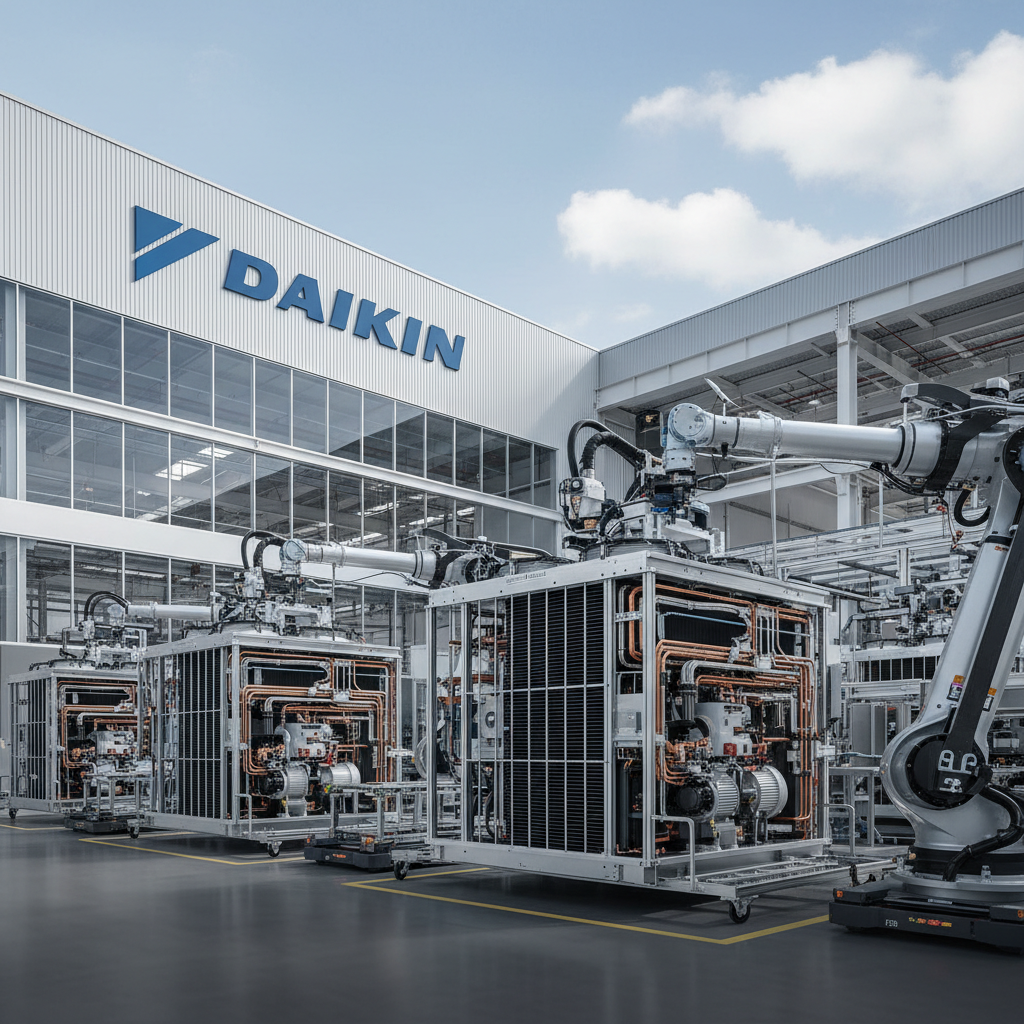
High-growth opportunities
The global digital transformation, fueled by the rapid adoption of cloud computing, artificial intelligence, and the Internet of Things, has created an unprecedented demand for data centers. These facilities are the backbone of the modern economy, processing and storing vast amounts of information. Within this burgeoning sector, the need for efficient and reliable cooling solutions is paramount. Data centers generate immense heat, and effective thermal management is critical not only for maintaining equipment performance and longevity but also for optimizing energy consumption and operational costs. Daikin's decision to scale up its operations with a new plant specifically for data center cooling in Mexico is a clear strategic play to capitalize on this high-growth segment. This move positions the company to meet the escalating demand for specialized cooling infrastructure, aligning its manufacturing capabilities with a market experiencing significant expansion. Mexico, as a strategic location, potentially serves as a gateway to both the robust North American data center market and emerging opportunities across Latin America, further amplifying the scope of this growth initiative. By focusing on a critical component of digital infrastructure, Daikin is investing in a sector with sustained long-term growth prospects, driven by ongoing technological advancements and increasing data reliance.
Revenue optimization
The establishment of a new manufacturing facility in Mexico directly addresses the imperative of revenue optimization by significantly expanding Daikin's production capacity for data center cooling solutions. In a rapidly growing market, the ability to meet demand is a primary driver of revenue. By "scaling up," Daikin is ensuring it has the necessary output to capture a larger share of the expanding data center cooling market, preventing potential revenue losses due to supply constraints. A localized manufacturing presence can also lead to improved market responsiveness, allowing for quicker fulfillment of orders and more agile adaptation to regional market requirements. This enhanced agility can translate into securing more contracts and projects, especially in a competitive environment where speed of delivery and customization can be key differentiators. Furthermore, by being closer to key markets, Daikin can potentially strengthen its sales channels and distribution networks, fostering deeper customer relationships and unlocking new revenue streams that might have been less accessible from a more distant manufacturing base. This strategic capacity expansion is fundamental to maximizing the top-line potential derived from the identified high-growth opportunities.
High-margin opportunities
The data center cooling sector inherently presents opportunities for higher profit margins compared to more commoditized HVAC segments. Cooling solutions for data centers are not merely off-the-shelf products; they are often highly specialized, precision-engineered systems designed to meet stringent requirements for reliability, energy efficiency, and environmental control. These solutions frequently involve advanced technologies, custom configurations, and sophisticated control systems, all of which command premium pricing. Data center operators prioritize uptime and energy efficiency above almost all else, making them willing to invest in high-performance, resilient cooling infrastructure. Daikin's strategic focus on this niche indicates a deliberate move towards capturing value from these specialized, higher-value offerings. By developing and manufacturing advanced cooling technologies tailored for data centers, the company can differentiate itself from general HVAC providers, allowing for better pricing power and, consequently, enhanced gross margins on its product lines. This strategic emphasis on a specialized, critical component of data center operations positions Daikin to leverage its expertise for more profitable growth.
Operation efficiency
The investment in a new plant provides a significant opportunity to embed operational efficiencies from the ground up. Unlike retrofitting existing facilities, a new build allows for the implementation of modern manufacturing principles, optimized factory layouts, and potentially higher levels of automation tailored specifically for data center cooling equipment production. This can lead to streamlined workflows, reduced material handling, and minimized waste, all contributing to a lower cost per unit. Furthermore, a new facility can be designed with sustainability and energy efficiency in mind, reducing the plant's own operational footprint and costs. For example, integrating smart factory technologies could enable real-time monitoring of production lines, predictive maintenance, and dynamic scheduling, further enhancing throughput and reducing downtime. Proximity to key markets in Mexico also streamlines the outbound logistics for finished goods, reducing transit times and potentially leading to more efficient inventory management across the supply chain. To fully realize these efficiencies, robust supply chain visibility is paramount. A shipment-visibility control tower, for instance, could provide real-time insights into the movement of inbound raw materials and components, allowing for proactive management of potential delays or disruptions. This ensures a steady flow of materials to the new plant, preventing production bottlenecks and maintaining optimal operational tempo.
Cost reduction
Establishing a new plant in Mexico offers several avenues for significant cost reduction, impacting both manufacturing and supply chain expenses. Firstly, manufacturing closer to the target markets, such as the burgeoning data center hubs in North America, can drastically cut transportation costs for finished products. This nearshoring strategy reduces freight expenses, fuel consumption, and the carbon footprint associated with long-distance shipping from Japan or other distant manufacturing bases. Secondly, Mexico often presents a competitive labor cost environment compared to highly industrialized nations, which can lead to lower direct manufacturing labor expenses. Thirdly, local production within trade blocs, such as those governed by the USMCA agreement, can help Daikin mitigate import duties and tariffs that might apply to products shipped from outside the region, thereby reducing the landed cost of goods. Finally, a shorter and more localized supply chain can lead to reduced inventory holding costs, as less buffer stock is needed to account for extended transit times and potential disruptions. By strategically positioning its manufacturing, Daikin can achieve a more cost-effective production and distribution model, enhancing its competitive pricing and overall profitability.
Sales effectiveness
A local manufacturing presence in Mexico can significantly bolster Daikin's sales effectiveness in the data center cooling market. Proximity to customers allows for more responsive and personalized engagement, fostering stronger relationships. Sales teams can leverage the local facility for product demonstrations, technical training, and quicker access to engineering support, which are critical factors in the complex sales cycles of specialized industrial equipment. Furthermore, reduced lead times and faster delivery capabilities, enabled by local production, become powerful competitive advantages. In the fast-paced data center industry, where project timelines are often tight, the ability to deliver equipment quickly and reliably can be a decisive factor in winning bids. A local presence also signals a stronger commitment to the regional market, building trust and credibility with potential clients. This can lead to increased market share, as Daikin becomes a more attractive and reliable partner for data center developers and operators seeking localized support and supply chain resilience. The ability to quickly respond to customization requests and provide localized after-sales service further enhances the overall customer experience, driving repeat business and positive referrals.
Source: Nikkei Asia — https://asia.nikkei.com/business/technology/japan-s-daikin-scales-up-in-mexico-with-new-plant-for-data-center-cooling